


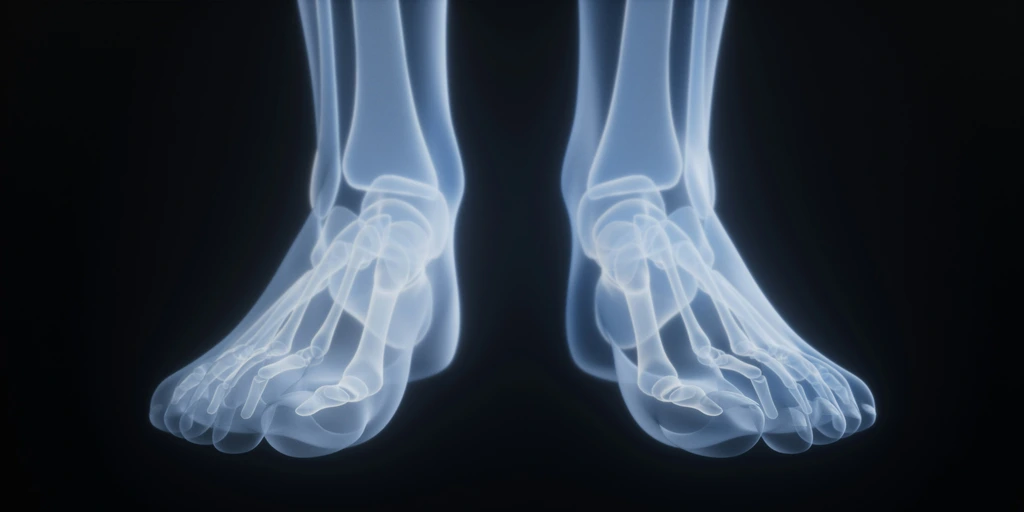
The Impact of Sedentary Living on Feet Health
In today’s fast-paced world, characterized by long hours at desks and digital screens, many individuals have slipped into a sedentary lifestyle, often overlooking its impact on their overall health. While most discussions on the consequences of being sedentary focus on weight gain, cardiovascular issues, and metabolic disruptions, few address how this lifestyle choice can specifically damage our feet.
Understanding the Risks
One might assume that minimal physical exertion would conserve energy and protect the feet from wear and tear. Ironically, the opposite is true. A lack of movement can lead to underutilization of the muscles and tendons in the feet, resulting in atrophy and a decreased range of motion. This physical stagnation can affect balance and coordination, leading to an increased risk of falls and injuries.
Circulation Concerns
Sitting for extended periods impedes blood circulation, which is crucial for the health of every part of the body, including the feet. Poor circulation can cause swelling, varicose veins, and, more alarmingly, blood clots. Leg and foot veins require muscle contractions to move blood back towards the heart effectively. When sedentary, this process is severely compromised, leading to discomfort and serious health issues.
Footwear Woes
Those who maintain a sedentary lifestyle are often less conscious about their footwear choices, assuming they don’t require the same level of support or cushioning translating to unhealthy footwear habits. Over time, wearing unsupportive shoes can lead to foot pain and structural issues, such as plantar fasciitis, bunions, or even hammertoes.
Weight Gain and Its Consequences
A natural outcome of a sedentary lifestyle is weight gain, which places extra pressure on the feet. This pressure can lead to the flattening of the arches, causing painful conditions like flat feet or overpronation. When our body weight exceeds the optimal pressure capacity of our feet, not only does it magnify the risk of injuries, but it also makes existing foot conditions worse.
Joint and Bone Health
Joints and bones thrive on motion. When deprived of this, the synovial fluid within the joints dries up and becomes less effective at lubricating movements, resulting in stiffness and pain. Over time, bone density can decrease due to inactivity, increasing the likelihood of fractures.
Combating Sedentariness
Adopting simple lifestyle changes can greatly minimize these potential risks. Here’s how:
- Regular breaks: Ensure to stand up, stretch, or walk for a few minutes every hour to encourage circulation.
- Toe exercises: Perform toe curls, lifts, and stretches to keep the foot muscles active.
- Footwear choices: Invest in ergonomically designed shoes, even for indoor use, to provide necessary support.
- Hydration: Keeping hydrated supports nerve function and overall muscular health, benefiting foot health directly.
- Healthy diet: Ensure a diet rich in calcium and vitamin D to bolster bone health.
Social Impacts of Foot Health
While foot health might seem an isolated issue, it also influences one’s social and mental well-being. Chronic foot pain can affect mood, making engaging in social activities daunting. This isolation can lead to mental health issues, including anxiety and depression.
The importance of foot health in a sedentary lifestyle is often overshadowed by more obvious health concerns. However, acknowledging and addressing these unique risks can lead to immense benefits, ensuring that even those with limited mobility maintain their quality of life. Taking small steps now can prevent major medical issues later, setting a strong foundation for complete health and well-being.











Discussion about this post