


Language development in children is a crucial aspect of their overall growth and interaction with the world. However, some children face challenges in language acquisition, which can affect their communication skills and confidence. Interestingly, physical exercise can play a significant role in supporting children with language problems.
The Connection Between Physical Activity and Cognitive Development
Research has demonstrated that physical exercise is not only beneficial for physical health but also enhances cognitive functions. When children engage in physical activities, their brain releases neurotransmitters like dopamine and endorphins, which can improve mood, memory, and overall brain function. These changes create a more conducive environment for learning and developing language skills.
Moreover, physical activities that involve coordination, rhythm, and timing can stimulate areas of the brain responsible for language processing. This is because such exercises encourage the development of neural pathways that are crucial for language skills.
Types of Exercises That Aid Language Development
Not all exercises are equally beneficial for language development. Here are some specific types that prove particularly effective:
- Music and Movement: Activities that combine music with movement, such as dance or action songs, can improve a child’s auditory discrimination and instill a sense of rhythm, which are essential for phonological awareness.
- Yoga for Kids: Yoga helps in improving concentration, balance, and relaxation. The storytelling aspect of yoga, where instructors use descriptive language, can also enhance vocabulary and comprehension skills.
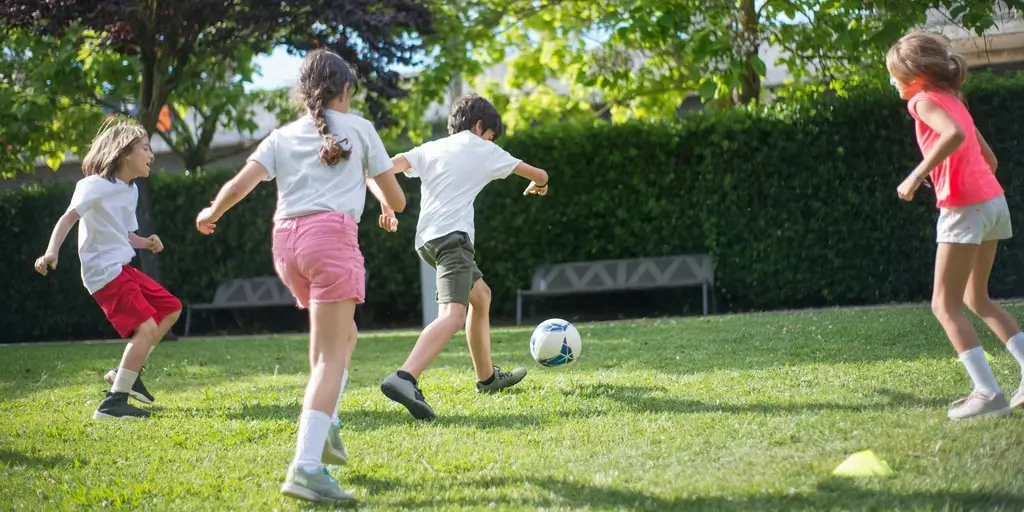
- Team Sports: Participating in sports like soccer or basketball helps children develop communication skills as they learn to follow rules and work together as a team. These interactions require listening and speaking, which reinforce language skills.
- Obstacle Courses: Building and navigating obstacle courses require children to follow instructions, solve problems, and communicate, enhancing their language comprehension and expression.
Incorporating Exercise into Daily Routines
Making physical exercise a regular part of a child’s routine can have long-term benefits for their language development. Here are some tips for parents and educators:
- Set a Schedule: Regularity is key. Establish a routine where children engage in physical activity at consistent times each day.
- Create a Supportive Environment: Encourage an environment that is both fun and challenging. Use music, games, and varied activities to maintain interest and engagement.
- Celebrate Small Wins: Recognize improvements and milestones in both physical and language development to motivate children.
- Involve Peers: Encourage group activities that promote social interaction, thereby enhancing communication skills.
Benefits Beyond Language Enhancement
While the primary focus is language improvement, incorporating physical exercise also brings additional benefits such as:
- Emotional Well-being: Physical activity helps reduce anxiety and stress, which can be barriers to learning.
- Improved Physical Health: Regular exercise supports cardiovascular health, flexibility, and overall physical fitness.
- Social Skills: Group activities facilitate social interaction, teaching children important social cues and cooperative behaviors.
Parents and educators alike should recognize the multifaceted benefits of physical exercise for children, especially those facing language challenges. Tailored physical activities can unlock a child’s potential and pave the way for effective communication and a healthier, happier life.










Discussion about this post