


A resting heart rate is the number of times your heart beats per minute when your body is at rest. It is one of the simplest ways to get a snapshot of your cardiovascular health, fitness level, stress load, and overall recovery. While there is a general range considered normal for adults, the right number for you can depend on age, activity level, medications, and other health factors.
What counts as a normal resting heart rate?
For most healthy adults, a normal resting heart rate falls between 60 and 100 beats per minute. Many people who are physically active, especially endurance athletes, may have a resting heart rate below 60 and still be perfectly healthy. This lower number often reflects a heart that pumps blood more efficiently.
It is worth remembering that “normal” is a broad range. Someone with a resting heart rate of 58 may be very fit, while another person with the same number might need a doctor’s guidance if they have symptoms such as dizziness, fatigue, or fainting. Likewise, a resting heart rate near 100 is not automatically dangerous, but if it is consistently high, it can be a sign that something deserves attention.
How to measure resting heart rate correctly
To get an accurate reading, measure your heart rate when you are truly at rest. The best time is often first thing in the morning before getting out of bed, after a full night’s sleep. You can also check it after sitting quietly for at least 5 to 10 minutes.
Here’s a simple method:
- Place two fingers on your wrist or the side of your neck.
- Count the beats for 30 seconds and multiply by 2.
- For greater accuracy, count for a full 60 seconds.
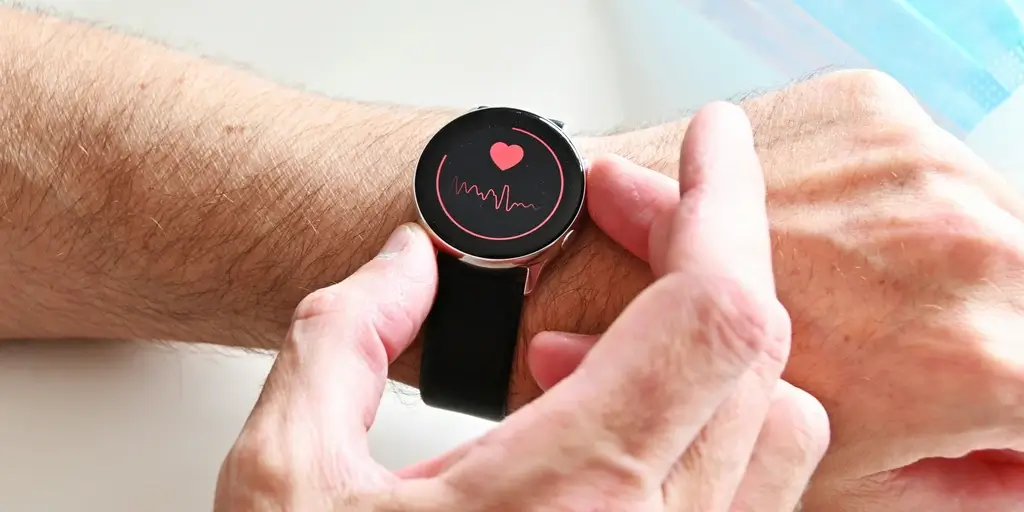
Wearable devices and smartwatches can also estimate resting heart rate, but they may vary a little depending on fit, motion, and device quality. If you want the most reliable baseline, compare a few manual readings over several days.
What can affect resting heart rate?
Many factors can influence your resting heart rate from day to day. Some are short-term and temporary, while others are more consistent over time.
- Fitness level: Regular exercise can lower resting heart rate over time.
- Stress and anxiety: Emotional strain can raise heart rate through the day.
- Sleep: Poor sleep or not enough rest may increase your baseline.
- Hydration: Dehydration can make the heart beat faster.
- Illness: Fever, infection, or inflammation often raises heart rate.
- Caffeine and stimulants: Coffee, energy drinks, and certain supplements may increase it.
- Medications: Some medicines raise or lower heart rate.
- Age: Heart rate patterns can shift gradually with age.
Because of these influences, a single reading is less useful than a pattern. Tracking your resting heart rate over time gives you a better sense of your normal range and helps you notice meaningful changes.
What a low resting heart rate means
A resting heart rate below 60 beats per minute is called bradycardia. In active people, this can be completely normal. A well-trained heart does not need to beat as often to circulate blood effectively. This is especially common in runners, cyclists, swimmers, and people who train consistently.
However, a low resting heart rate can sometimes point to an issue, especially if it comes with symptoms like:
- Lightheadedness
- Fainting
- Extreme fatigue
- Shortness of breath
- Confusion
- Chest discomfort
If you experience these symptoms, it is important to speak with a healthcare professional. A low heart rate can also be influenced by certain medications or medical conditions, so context matters.
What a high resting heart rate means
A resting heart rate above 100 beats per minute is called tachycardia. Sometimes it happens for harmless reasons, such as stress, dehydration, recent exercise, or caffeine. But if your resting heart rate is consistently high when you are calm and healthy, it may deserve a closer look.
Possible causes can include:
- Anxiety or chronic stress
- Dehydration
- Fever or infection
- Poor sleep
- Overtraining
- Anemia
- Thyroid problems
- Heart rhythm disorders
A persistently elevated resting heart rate can be a clue that your body is under strain. If you notice your usual number climbing for several days without an obvious reason, it may help to review sleep, hydration, training load, illness symptoms, and stress levels.
Resting heart rate by age
Age can influence heart rate, but the adult range remains fairly similar for many people. Children naturally have faster heart rates than adults, and heart rate usually changes as the body grows. In adults, fitness and health status often matter more than age alone when it comes to resting heart rate.
As a general guide:
- Children: Higher than adults, depending on age
- Adults: Often 60 to 100 beats per minute
- Very active adults: Sometimes below 60 beats per minute
If you are tracking a child’s heart rate or have concerns about a family member, it is best to compare with age-specific guidance from a healthcare professional.
How fitness changes your resting heart rate
Exercise is one of the most effective ways to improve heart efficiency. Over time, regular aerobic activity can lower resting heart rate because the heart muscle becomes stronger and pumps more blood with each beat. That means the body can meet its needs with fewer beats per minute.
This does not happen overnight. A lower resting heart rate usually reflects consistent training, better recovery, improved cardiovascular conditioning, and, often, healthier daily habits overall. Good sleep, balanced nutrition, stress management, and hydration all support this process.
If you are beginning a new fitness routine, it can be motivating to track your resting heart rate weekly. A gradual downward trend may show that your body is adapting well. Just avoid using it as the only sign of progress. Strength, energy, mood, endurance, and recovery matter too.
When should you worry?
A resting heart rate outside the normal range is not always a problem, but there are times when medical advice is important. Consider seeking help if you have:
- A resting heart rate consistently above 100 or below 60 with symptoms
- Chest pain or pressure
- Shortness of breath
- Fainting or near-fainting
- New palpitations or irregular heartbeat
- Sudden changes from your usual pattern
Even if your readings seem only slightly off, a big change from your normal baseline can matter. For example, a rise of 10 to 15 beats per minute over several days may reflect illness, stress, dehydration, or recovery issues. Your pattern is often more informative than one isolated number.
Simple ways to support a healthy resting heart rate
Many everyday habits can help keep resting heart rate in a healthy range:
- Exercise regularly: Aim for a mix of aerobic activity and strength training.
- Sleep well: Prioritize consistent, quality rest.
- Stay hydrated: Drink enough water throughout the day.
- Manage stress: Try breathing exercises, walking, yoga, or mindfulness.
- Limit stimulants: Pay attention to caffeine and energy drink intake.
- Recover properly: Avoid pushing hard when you are exhausted or sick.
Small, steady habits often have the biggest impact. Heart health is built over time, not through one perfect workout or one clean meal.
Checking your resting heart rate can be a useful part of understanding your overall well-being. For most adults, 60 to 100 beats per minute is considered normal, but fitness, symptoms, and personal baseline are just as important as the number itself. Pay attention to trends, not just single readings, and reach out to a healthcare professional if something feels off.










Discussion about this post