


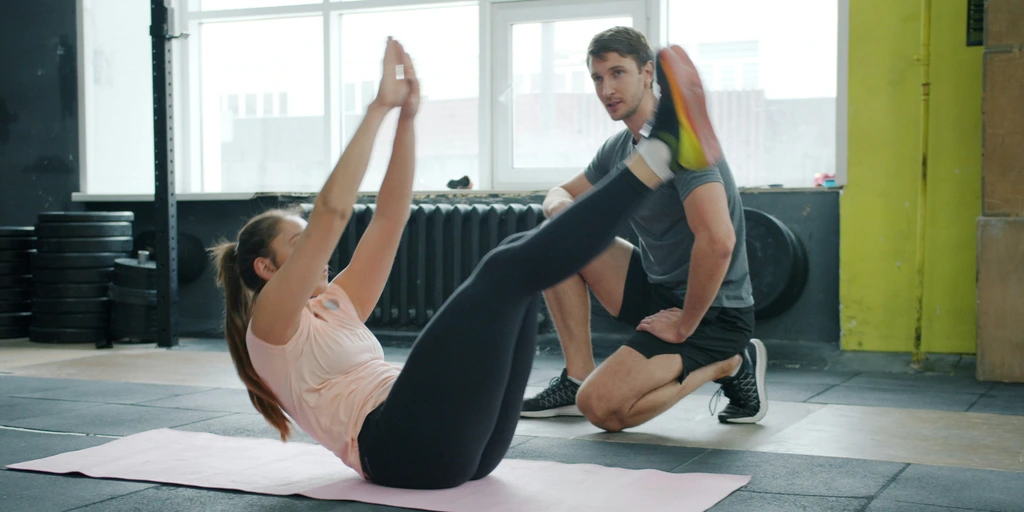
When considering sports performance and overall vitality, muscles like the biceps, quadriceps, and abdominals typically steal the spotlight. However, there’s an unsung hero that plays a crucial role in both arenas: the diaphragm. This dome-shaped muscle, located just beneath the lungs, is pivotal for optimal breathing—a fundamental component of both athletic success and vitality.
The Role of the Diaphragm
The diaphragm is primarily responsible for respiration, facilitating the inhalation and exhalation processes. It contracts and moves downward, creating more space in the chest cavity and allowing the lungs to expand with air. During exhalation, the diaphragm relaxes and moves upward, helping push air out of the lungs. This rhythmic contraction and relaxation are not only vital for oxygenating blood but also for maintaining efficient circulation and energy production.
Enhanced Athletic Performance
For athletes, effective breathing can make a significant difference in performance. A well-functioning diaphragm enhances aerobic endurance, delays the onset of fatigue, and improves recovery. By maximizing oxygen intake and efficiently expelling carbon dioxide, athletes can perform longer and with more intensity. Diaphragmatic breathing also stabilizes the core, offering better control and balance, which is critical in sports requiring precise movements.
Benefits Beyond the Field
Beyond sports performance, strengthening the diaphragm positively impacts overall health and well-being. Diaphragmatic breathing—a technique that involves engaging the diaphragm deeply during breath—can reduce stress, lower blood pressure, and improve emotional health. It stimulates the parasympathetic nervous system, inducing a relaxation response in the body, which is especially beneficial in today’s fast-paced world.
Techniques to Train Your Diaphragm
Training your diaphragm is akin to training any other muscle in your body. Here are some effective techniques:
- Diaphragmatic Breathing Exercises: Lie on your back with knees bent and a pillow under your head. Place one hand on your chest and the other below your rib cage. Breathe in slowly through your nose, allowing the diaphragm to move downward while your stomach rises. Exhale slowly through pursed lips.
- Breath Control Practices: Techniques such as pranayama in yoga or controlled breathing in meditation not only engage the diaphragm but improve lung capacity and foster mental clarity.
- Cardiovascular Conditioning: Regular cardio activities like running or swimming encourage deeper, more effective breathing patterns, naturally strengthening the diaphragm.
Integrating Diaphragm Strengthening in Daily Life
Integrating diaphragmatic exercises into daily routines doesn’t require dedicated time or significant lifestyle changes. Simple adjustments like focusing on breath during routines or starting the day with a few minutes of deep breathing can make significant changes. Mindful breathing during physical activities or stress management practices can further enhance diaphragm health.
Incorporating diaphragm training into your fitness regime isn’t about replacing your favorite workouts but enhancing them. As you start to refine your breathing, you’ll find not just improved performance on the field, but increased vitality in daily life. This key muscle, though often overlooked, is crucial in unlocking your athletic potential and maintaining holistic health. Prioritize it, and you’ll breathe easier, on and off the field.










Discussion about this post