


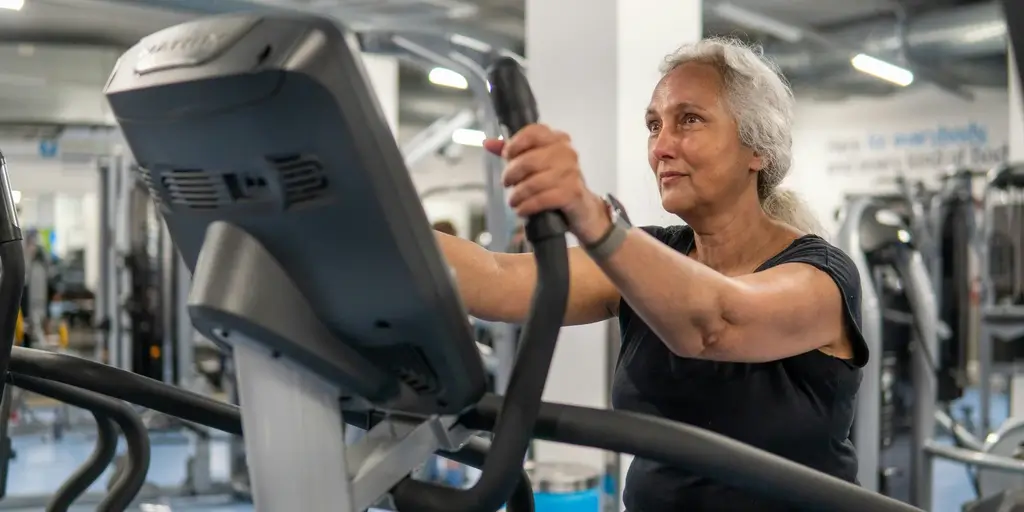
Getting older does not mean you have to accept a steady decline in strength, function, or muscle size. In fact, with the right training and nutrition habits, many people maintain impressive muscle mass well into their later years. The key is understanding what drives muscle loss and then using a smart, sustainable plan to fight back.
Muscle loss with age is often linked to a combination of lower activity levels, reduced protein intake, less recovery capacity, hormonal changes, and less frequent exposure to challenging resistance training. The good news is that most of these factors are modifiable. You do not need extreme workouts or complicated supplements. You need consistency, progressive overload, and recovery that matches your current ability.
Prioritize Resistance Training Year-Round
If your goal is to preserve muscle mass, resistance training should be non-negotiable. Muscle tissue responds to demand. When you regularly ask your body to produce force against resistance, it has a reason to keep that muscle tissue around.
A well-designed program should include exercises for the major movement patterns:
- Squat pattern such as goblet squats, split squats, or leg presses
- Hinge pattern such as Romanian deadlifts, hip hinges, or kettlebell deadlifts
- Push pattern such as push-ups, dumbbell presses, or machine chest presses
- Pull pattern such as rows, lat pulldowns, or assisted pull-ups
- Carry and core work such as farmer carries, planks, and dead bugs
Train each muscle group at least twice per week if possible. That frequency helps maintain a strong stimulus without forcing marathon workouts. Focus on controlled reps, full range of motion, and loads that feel challenging in the last few reps while still allowing good form.
Use Progressive Overload, But Be Realistic
One of the biggest mistakes older adults make is training hard without progressing. Your muscles adapt when the stimulus gradually increases. That can mean adding weight, doing more reps, improving technique, increasing range of motion, or reducing rest time slightly.
Progressive overload does not have to be aggressive. In fact, the smartest approach is small, repeatable progress. For example:
- Add 2.5 to 5 pounds when your current weight feels manageable for all sets
- Add one rep per set before increasing load
- Improve control on the lowering phase of the lift
- Increase weekly training consistency before increasing intensity
The goal is not to chase exhaustion. The goal is to create enough stimulus to preserve and build tissue while staying healthy enough to keep training long term.
Eat Enough Protein to Support Muscle Repair
As people age, the body may become less efficient at using protein for muscle building. That means protein intake matters even more. Many older adults do not eat enough of it, especially at breakfast and lunch.
A practical target for many active adults is to include protein at every meal and aim for roughly 25 to 40 grams per meal, depending on body size and total daily needs. Quality sources include:
- Eggs
- Greek yogurt
- Chicken and turkey
- Fish and seafood
- Lean beef
- Tofu and tempeh
- Beans and lentils
- Protein shakes when needed for convenience
Spreading protein across the day can improve muscle protein synthesis more effectively than loading most of it into one meal. Pairing protein with regular resistance training gives your body a strong signal to retain lean mass.
Do Not Under-Eat for Too Long
Long-term calorie restriction can accelerate muscle loss, especially when combined with inactivity. If fat loss is the goal, use a moderate deficit rather than a crash diet. Rapid weight loss often sacrifices muscle along with fat.
To protect lean mass, keep these habits in place:
- Avoid skipping meals regularly
- Keep protein intake high
- Continue lifting weights during fat loss phases
- Use a slow rate of loss, especially if you are already lean or older
If you are trying to lose weight and preserve muscle, think in terms of body composition, not just scale weight. A slower pace is usually more sustainable and far better for strength retention.
Stay Active Outside the Gym
Daily movement matters. Even if you train three to four times per week, long periods of sitting can reduce overall energy expenditure and make it harder to maintain muscle and mobility. Walking, gardening, stair climbing, light cycling, and other low-intensity activity all support healthy aging.
Non-exercise movement also helps with circulation, recovery, and joint health. A simple target is to walk regularly throughout the week and avoid staying seated for hours at a time. If your schedule is busy, short movement breaks can make a real difference.
Recover Like It Matters, Because It Does
Recovery becomes more important with age, not less. Sleep, hydration, and stress management all influence how well your body repairs after training. Poor sleep can reduce strength, increase cravings, and blunt recovery. High stress can do the same.
To improve recovery:
- Aim for consistent sleep and wake times
- Get enough total sleep, ideally seven to nine hours when possible
- Hydrate throughout the day
- Include rest days or lighter training days as needed
- Use mobility work or light cardio to support recovery, not replace it
Older adults often recover best when they train hard enough to stimulate adaptation but not so hard that soreness lingers for days. Your training should leave you challenged, not crushed.
Train Mobility and Stability Alongside Strength
Muscle retention is not only about size. It is also about being able to use that muscle effectively. That means keeping joints moving well and building stability around the hips, shoulders, spine, and ankles. The stronger and more stable you are, the easier it is to train consistently and safely.
Include warm-ups that prepare the body for the session. A few minutes of dynamic movement, light sets, and controlled mobility drills can improve performance and reduce injury risk. When your technique improves, your training stimulus improves too.
Keep Expectations Strong and Practical
You do not need to train like a competitive athlete to preserve muscle mass. You need a repeatable plan that includes resistance training, sufficient protein, enough recovery, and regular movement. Small habits done consistently will outperform occasional bursts of intensity.
If you are getting older and want to hold onto muscle, start with the basics: lift weights, eat enough protein, sleep well, and keep progressing gradually. Those fundamentals are powerful at any age, and they become even more valuable over time. The earlier you commit to them, the easier it is to stay strong, capable, and independent for years to come.











Discussion about this post