


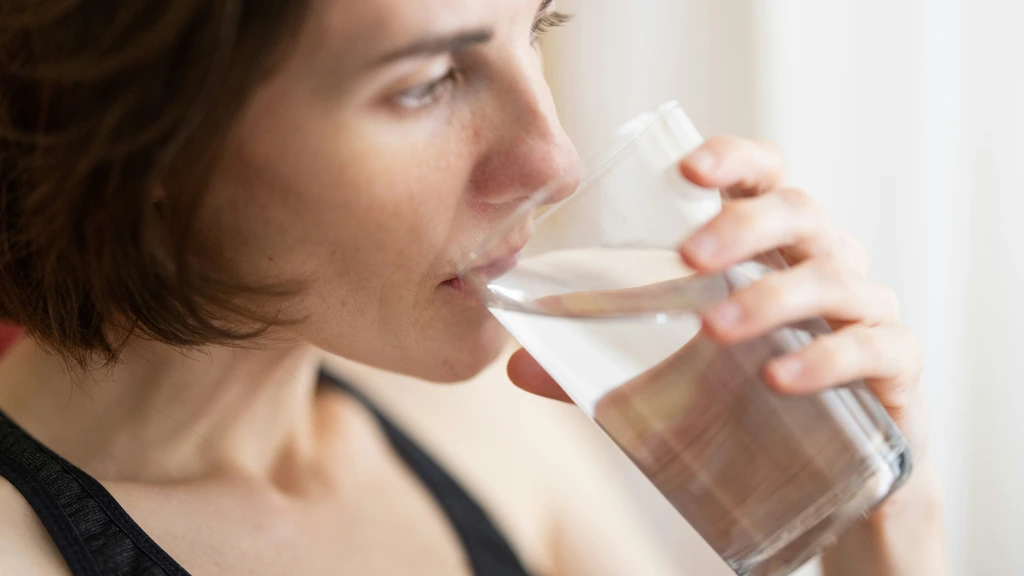
Thirst is one of the body’s simplest signals, but it is also one of the most important. It is your system’s way of saying that balance is starting to drift. Like an athlete noticing a small drop in pace before it becomes a bigger problem, your body notices changes in fluid levels early and asks you to respond. That message may feel ordinary, but it is part of a finely tuned survival system.
Why thirst happens
Thirst begins when your body senses that the balance of water and salts in your blood has shifted. This can happen after sweating, breathing, urinating, or simply going too long without drinking. The brain, especially an area called the hypothalamus, helps monitor this balance. When fluid levels dip, it triggers thirst and can also encourage the body to conserve water.
In plain terms, thirst is not just about being “dry.” It is about maintaining the right internal environment for your muscles, organs, and brain to keep working well. Even a modest drop in hydration can affect how you feel, think, and perform. You may notice fatigue, headaches, reduced focus, or a dip in workout quality before you ever feel seriously dehydrated.
What makes thirst stronger
Some days you will feel thirst more quickly than others. That is normal. Several factors can increase your fluid needs:
- Exercise: Sweat loss rises with intensity, duration, heat, and humidity.
- Hot weather: Warm conditions make it easier to lose water through sweat.
- High-protein or high-salt meals: These can increase the body’s need for water.
- Illness: Fever, vomiting, and diarrhea can rapidly reduce fluid levels.
- Alcohol and caffeine: These may contribute to fluid loss in some situations.
- Dry air: Breathing in cold or low-humidity environments can slowly increase water loss.
That is why hydration is not a fixed target you hit once and forget. It is a daily habit shaped by your training, environment, and routine.
How much water do we need?
There is no single perfect number for everyone. Water needs depend on body size, activity level, climate, diet, and health. A commonly cited guideline is about 2.7 liters per day for women and 3.7 liters per day for men from all beverages and foods combined. But that is only a starting point, not a rule carved in stone.
For active people, especially those training hard, the number can climb quickly. A long run, a heavy lifting session in a warm gym, or a summer ride can add a substantial amount of fluid loss. Some athletes may need to replace several hundred milliliters per hour during exercise, and sometimes more if sweat rates are high.
A more practical approach is to pay attention to your body:
- Thirst: Drink regularly instead of waiting until you are extremely thirsty.
- Urine color: Pale yellow usually suggests adequate hydration.
- Body weight changes: Sudden drops after exercise can indicate fluid loss.
- Energy and focus: Low hydration often shows up as sluggishness or brain fog.
Should you drink only when thirsty?
For many healthy people, thirst is a useful guide. It helps prevent overdrinking, which is also a real issue in endurance sports and can lead to low sodium levels. But if you are exercising for long periods, sweating heavily, or training in heat, waiting for thirst alone may be too slow. In those cases, a steady drinking plan is smarter than guessing.
A disciplined hydration routine does not need to be complicated. Start the day with a glass of water. Drink with meals. Sip during workouts. Replace fluids after exercise. Over time, these small actions become part of the same mental toughness that gets you through training when motivation is low.
Easy ways to stay hydrated
Hydration is built on consistency, not perfection. A few simple habits can make a big difference:
- Keep a reusable bottle nearby.
- Drink a glass of water with each meal.
- Use workouts as a cue to hydrate before and after.
- Eat water-rich foods like fruit, vegetables, yogurt, and soups.
- Adjust intake on hot days or during long sessions.
Think of hydration the way you think about fitness itself: not as one heroic effort, but as a long game. Small choices repeated day after day create a body that performs better, recovers faster, and handles stress more effectively.
Thirst is not a weakness. It is a signal. Learn to read it, respect it, and respond with steady habits. That is how you stay ready for the next mile, the next set, and the next challenge.









Discussion about this post