


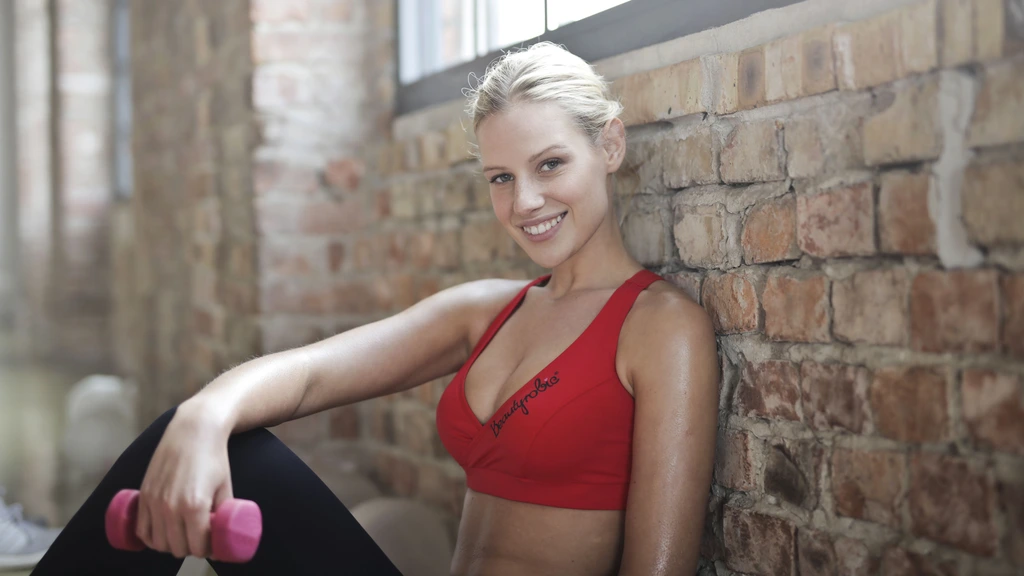
Women’s fitness is not about shrinking, punishing, or chasing perfection. It’s about building a body that feels capable, resilient, and powerful in daily life. When training is structured well, it can improve strength, posture, energy, bone density, mood, and confidence — all while helping you move through life with more control and less discomfort.
Train for strength, not just appearance
Strength training is one of the most effective tools for women who want long-term results. Lifting weights helps preserve lean muscle, support healthy metabolism, and protect joints as the body adapts to age, stress, and changing hormones. More importantly, it teaches you to trust what your body can do.
Focus on movement patterns that carry over into everyday life:
- Squats for sitting, standing, and lower-body power
- Hinges such as deadlifts for lifting and posterior-chain strength
- Pushing movements like push-ups or dumbbell presses for upper-body balance
- Pulling movements such as rows for posture and back strength
- Core stability drills for bracing, breathing, and spinal control
If you are new to training, start with bodyweight, light dumbbells, or resistance machines and gradually increase load only when your form stays consistent. Progressive overload should be intentional, not rushed.
Form first, then intensity
Good technique matters more than lifting heavy too soon. Quality repetitions build better movement habits and reduce the risk of strain. Keep your ribcage stacked over your pelvis, maintain controlled breathing, and use a full range of motion you can own without losing position.
A helpful cue for most lifts is: move with control on the way down, stay stable in the middle, and drive up with purpose. If your lower back takes over during squats or hinges, reduce the load and refine the mechanics. If your shoulders shrug during rows or presses, lighten the weight and reset your posture.
Women often benefit from training the glutes, back, and core with extra attention because these areas support alignment and movement efficiency. Strong glutes can help with hip stability. A strong back supports upright posture. A strong core improves force transfer and balance.
Cardio that supports, not drains
Cardiovascular exercise has its place, but it does not need to dominate your routine. Too much high-intensity work, especially combined with under-fueling, can leave you fatigued and make recovery harder. A balanced plan may include brisk walking, cycling, incline treadmill work, rowing, or interval training depending on your goals and recovery capacity.
A simple weekly structure could look like this:
- 2 to 4 strength sessions focused on full-body training
- 1 to 3 cardio sessions based on energy levels and goals
- Daily movement such as walking, mobility work, or light stretching
For many women, consistent low-to-moderate intensity movement is the secret weapon. It supports recovery, improves work capacity, and helps you stay active without constantly feeling depleted.
Recovery is part of the program
You do not get stronger during the workout itself. You get stronger when you recover from it. Sleep, hydration, protein intake, and stress management all influence how well your body adapts. If your sleep is short or your nutrition is inconsistent, performance and motivation will usually suffer.
Prioritize these basics:
- Protein at each meal to support muscle repair
- Hydration before, during, and after training
- Sleep as close to 7 to 9 hours as possible
- Rest days or active recovery when fatigue is high
Recovery also means respecting your body’s feedback. Soreness is normal; persistent pain is not. If your joints hurt, your energy is crashing, or your cycle is becoming irregular, those are signs to adjust training volume, food intake, or both.
Confidence is built through repetition
Confidence is not something you wait for before starting. It is something you earn by showing up, practicing, and proving to yourself that you can do hard things. Every time you complete a workout, add a little more weight, or hold better form than last week, you reinforce self-trust.
Track meaningful wins beyond the scale:
- More reps with the same weight
- Better posture and movement quality
- Improved energy throughout the day
- Faster recovery between sessions
- Feeling stronger in everyday tasks
These markers often matter more than body weight alone. A woman who feels strong in her training is often stronger in her life — at work, at home, and in how she carries herself.
Make the plan realistic
The best fitness plan is the one you can repeat. You do not need an extreme routine to get results. You need a plan that matches your schedule, your current fitness level, and your recovery capacity. Start with what you can sustain for 8 to 12 weeks, then progress from there.
If your time is limited, even three focused sessions per week can create real change. Keep the workouts efficient, prioritize compound lifts, and avoid the trap of doing more just because it feels productive. Consistency beats intensity spikes every time.
Strong, confident, and unstoppable is not a personality type — it is a training outcome. Build your program around smart progression, solid technique, recovery, and patience, and your body will respond. The goal is not to become someone else. The goal is to become a stronger version of yourself, one rep at a time.








Discussion about this post