


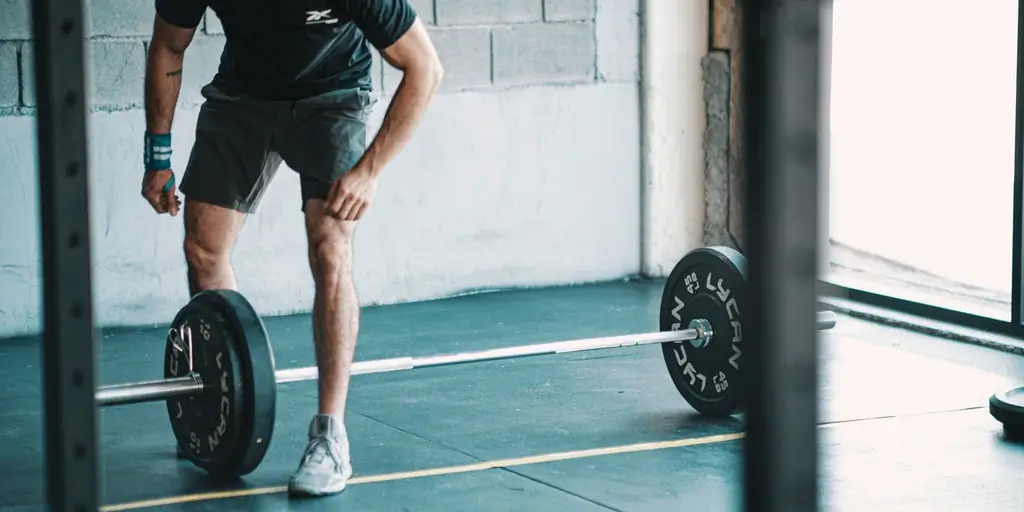
If you’re busy, burnt out, or simply don’t have two hours a day to spend in the gym, here’s some good news: 30 minutes can be enough to build muscle, burn fat, and get stronger when you train with purpose. The secret isn’t spending more time exercising. It’s using better structure, putting in focused effort, and making every rep count.
Why Short Workouts Work So Well
Long workouts aren’t automatically better. In fact, once a session loses direction, it can turn into a lot of wandering between exercises, checking your phone, and putting in half-hearted effort. A focused 30-minute workout encourages you to stay engaged and make the most of your time. Less time often creates more urgency, and urgency can lead to higher-quality effort.
Your body doesn’t care how long you’ve been in the gym. It responds to quality training, progressive overload, and consistency. Focus on those fundamentals, and results will follow. This approach is especially valuable for people balancing work, family, school, or other daily responsibilities. You don’t need marathon workouts to make meaningful progress. You need a plan that actually delivers results.
The 30-Minute Formula That Delivers
To maximize a short workout, every minute needs a purpose. A well-structured 30-minute session might look like this:
- 5 minutes for a dynamic warm-up
- 20 minutes for focused strength training or conditioning
- 5 minutes for a finisher, mobility work, or core training
This structure keeps you moving, keeps your heart rate elevated, and helps avoid common gym distractions. The goal is simple: get in, work hard, and leave stronger than when you arrived.
Choose Exercises That Deliver Maximum Results
When time is limited, prioritize compound movements that work multiple muscle groups at once. Exercises such as squats, deadlifts, bench presses, pull-ups, rows, lunges, overhead presses, kettlebell swings, and push-ups provide exceptional value.
These movements recruit more muscle, burn more calories, and build strength efficiently. Instead of spending time on several isolation exercises for a single muscle group, center your workout around larger, more impactful movements. For example, a dumbbell goblet squat can provide far more training value than a lengthy machine circuit. One exercise, significant return.
That’s how you build a body that looks athletic and performs at a high level.
Supersets Are Your Best Friend
Supersets are one of the most effective tools for shorter workouts. They involve pairing two exercises back-to-back with minimal rest between them. This approach saves time while keeping intensity high.
Even better, you can pair opposing muscle groups so one group recovers while the other works. This allows you to perform more quality work in less time.
Try combinations such as:
- Bench press + bent-over rows
- Goblet squats + push-ups
- Overhead press + pull-ups
- Romanian deadlifts + walking lunges
Supersets keep the workout moving, increase efficiency, and are ideal for anyone looking to maximize results on a busy schedule.
Rest Less, But Rest Smart
Rest is important, but too much rest can reduce the effectiveness of a short workout. In a 30-minute session, strategic recovery is key.
Heavy strength exercises may require 60 to 90 seconds of rest between sets, while accessory exercises can often be performed with 30 to 45 seconds of recovery. The goal isn’t to rush through your workout. It’s to keep the session productive and focused.
If you’re performing circuits or metabolic conditioning, shorter rest periods can help maintain intensity and increase calorie expenditure. If you’re lifting heavy weights, allow enough recovery to maintain proper technique and performance. Effective rest supports results. Excessive rest often becomes distraction time.
Train With Purpose
Many people spend years exercising without a clear goal. They show up, choose random exercises, and hope for progress. A more effective approach is to train with intention.
Ask yourself:
- Are you trying to build strength?
- Gain muscle?
- Lose fat?
- Improve endurance and conditioning?
Once you’ve identified your goal, every exercise and every rep should support it.
For muscle growth, focus on moderate-to-heavy loads and controlled repetitions. For fat loss, combine resistance training with short conditioning intervals. For strength development, prioritize compound lifts and lower rep ranges.
When your training aligns with your goal, progress becomes easier to track and more rewarding to achieve.
Use Progressive Overload to Drive Results
Progressive overload is one of the most important principles in fitness. If your workouts never change, your body eventually adapts and progress slows.
To continue improving, gradually increase the challenge by:
- Adding weight
- Performing more reps
- Improving technique
- Reducing rest periods
- Increasing training volume
In a 30-minute workout plan, small improvements make a big difference. One extra rep. A few more pounds on the bar. Better control during each movement.
These small victories add up over time and drive long-term transformation. If you’re consistently getting stronger, your body is adapting and improving.
Sample 30-Minute Full-Body Workout
Here’s a simple, effective example you can use:
Warm-Up (5 Minutes)
- Brisk cardio
- Band pull-aparts
- Bodyweight squats
- Shoulder circles
Superset 1 (3 Rounds)
- Goblet squat × 10 reps
- Push-ups × 12 reps
Superset 2 (3 Rounds)
- Dumbbell row × 10 reps per side
- Dumbbell overhead press × 8 reps
Finisher (5 Minutes)
Choose one:
- Kettlebell swings
- Mountain climbers
- Battle ropes
This workout targets the legs, chest, back, shoulders, and core while making efficient use of every minute. It’s the kind of session that leaves you energized, challenged, and confident that you’ve accomplished meaningful work.
If Fat Loss Is the Goal, Don’t Skip Strength Training
Many people assume fat loss requires endless cardio sessions. In reality, strength training plays a critical role.
Resistance training helps preserve muscle while increasing calorie expenditure and improving body composition. The result is a leaner, stronger physique that performs better and feels better.
A 30-minute strength-focused workout paired with smart nutrition can be a highly effective fat-loss strategy. Keep protein intake high, maintain a reasonable calorie deficit, and train hard enough to encourage your body to preserve muscle mass.
Nutrition Makes Those 30 Minutes Count
Training is only part of the equation. Nutrition has a major impact on your results.
Protein is especially important because it supports muscle repair, recovery, and satiety. Aim to include protein-rich foods at every meal, such as:
- Chicken
- Eggs
- Greek yogurt
- Fish
- Lean beef
- Tofu
- Protein shakes
It’s also important not to train under-fueled. If your energy levels are low, your workout performance will likely suffer. A light pre-workout meal or snack such as fruit, oats, whole-grain toast, or a protein shake can make a noticeable difference.
And don’t forget hydration. Even mild dehydration can negatively affect performance, strength, and recovery.
Recovery Still Matters
Just because a workout is shorter doesn’t mean recovery becomes less important. Your body adapts and gets stronger between training sessions, not during them.
Quality sleep, proper nutrition, hydration, and stress management all play important roles in recovery. If you’re training consistently but sleeping only a few hours per night and neglecting your nutrition, progress will likely slow down.
One advantage of shorter workouts is that they’re often easier to recover from and easier to fit into a busy schedule. This can help you stay consistent over the long term, and consistency is where meaningful transformation happens.
The best workout program is the one you can follow week after week.
Make Every Rep Count
The 30-minute approach works because it eliminates unnecessary distractions. No wasted time. No excessive volume. No going through the motions.
Just focused effort, smart exercise selection, and a clear objective.
If you show up ready to train with focus and purpose, even a half-hour workout can build muscle, improve conditioning, increase strength, and support fat loss.
So stop waiting for the perfect two-hour window to exercise. Choose a plan, set a timer, and get to work.
Thirty minutes. Maximum focus. That’s how you train smarter, not longer.






Discussion about this post