

You do not need a rigid training split, a shaker bottle in every bag, or a calendar packed with back-to-back workouts to stay fit. For many people, the most sustainable path is the casual fitness lifestyle: a collection of small, repeatable habits that support strength, energy, body composition, and long-term health without making exercise feel like a second job.
The real advantage of this approach is consistency. Moderate activity done regularly is more effective than sporadic bursts of all-or-nothing effort. Pair that with sensible nutrition, enough sleep, and a few daily movement habits, and you can make meaningful progress without living at the gym.
1. Walk more than you think you need to
Walking is underrated because it is simple. But it supports cardiovascular health, blood sugar control, and recovery from harder workouts. It also adds to your daily energy expenditure without increasing appetite as aggressively as intense exercise can. A brisk 20 to 30 minute walk, or several shorter walks, can make a noticeable difference over time.
2. Build your meals around protein
Protein helps preserve lean mass, improves satiety, and supports recovery. You do not need to obsess over numbers, but including a quality protein source at most meals is a smart habit. Think Greek yogurt, eggs, chicken, tofu, tempeh, fish, beans, lentils, or cottage cheese. For active adults, a practical target is often around 20 to 40 grams per meal, depending on body size and total daily needs.
Protein also brings important micronutrients like iron, zinc, selenium, calcium, and B vitamins, depending on the source. That matters for energy production, muscle function, and overall resilience.
3. Keep your plate colorful
A casual fitness routine works better when your diet supports it. Colorful produce usually means more fiber, potassium, vitamin C, folate, and plant compounds that support health. Aim to include vegetables or fruit at most meals. A simple rule is to make half your plate produce when possible, then fill in with protein and a smart carbohydrate source.
4. Do short strength sessions twice a week
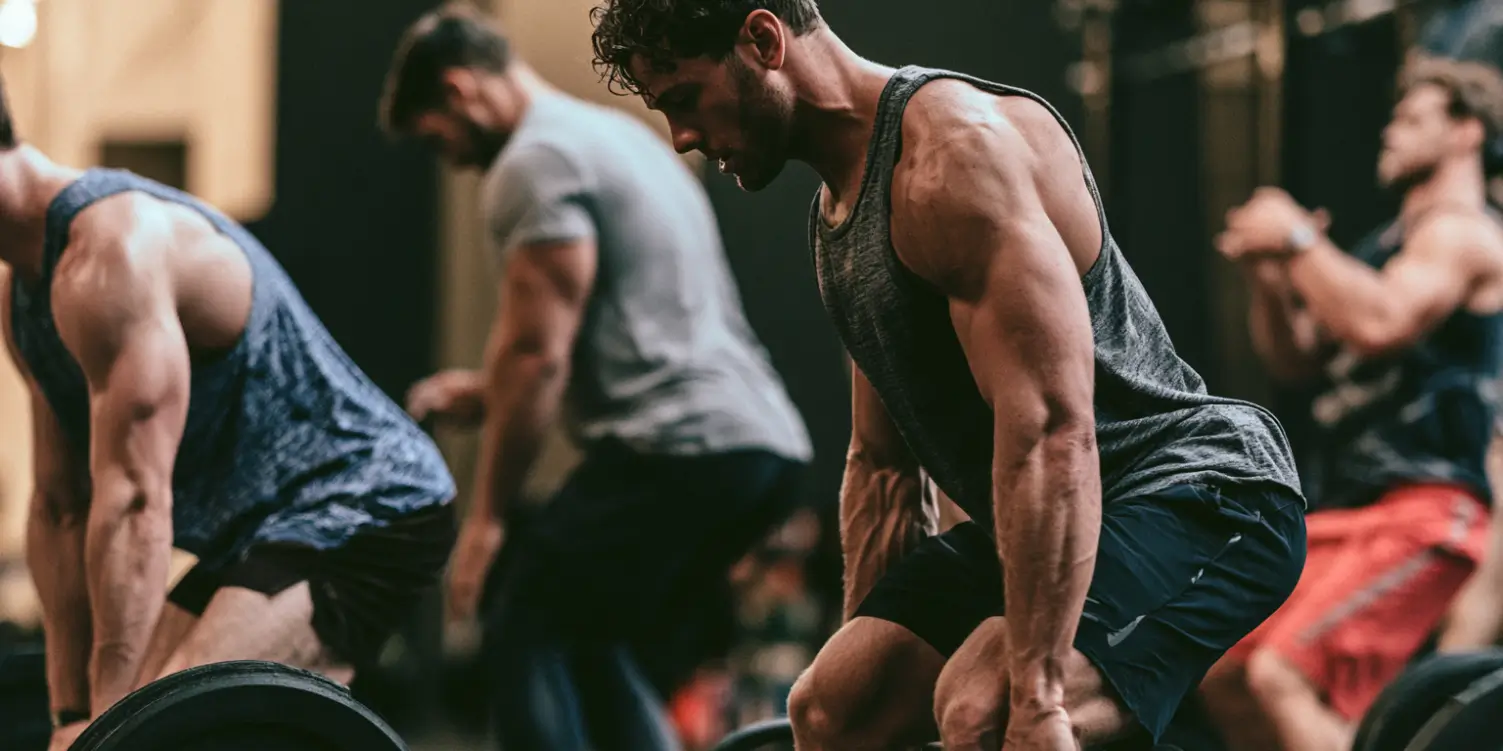
You do not need a bodybuilding program to benefit from resistance training. Two full-body sessions a week can help maintain muscle, improve bone health, and keep metabolism more favorable as you age. Focus on the basics: squats, hinges, pushes, pulls, and carries. Bodyweight movements count too. Even 20 to 30 minutes can be enough if the effort is consistent.
5. Use carbohydrates strategically
Carbs are not the enemy; they are the preferred fuel for higher-intensity activity and an important source of fiber when they come from whole foods. Oats, rice, potatoes, fruit, whole-grain bread, and legumes can support energy, training quality, and recovery. If you are active, under-eating carbohydrates can leave you flat, irritable, and less likely to move well.
6. Make hydration automatic
Dehydration can affect performance, concentration, and perceived effort. You do not need exotic electrolyte products unless you sweat heavily or train in hot conditions. A simple habit is to drink water with meals and keep a bottle nearby during the day. If your urine is consistently very dark, that is often a sign to increase fluid intake.
7. Protect sleep like it is part of training
Sleep is where recovery, hormone regulation, and appetite control are strongly influenced. Short sleep can increase cravings and make movement feel harder. Most adults do best with about 7 to 9 hours. A casual fitness lifestyle works best when you treat sleep as a non-negotiable habit rather than a luxury.
8. Keep snacks useful, not random
Snacking is fine, but it helps when snacks contribute something useful. Good options include fruit and yogurt, cheese and whole-grain crackers, hummus and vegetables, protein shakes, nuts, or a sandwich half. These choices provide a better balance of protein, fiber, and healthy fats than ultra-processed snacks that are easy to overeat and easy to forget you ate.
9. Make movement social
Fitness sticks better when it fits your life. Meet a friend for a walk, take a casual weekend hike, join a recreational sport, or do a bike ride with family. Social movement lowers the psychological barrier to being active, and it often improves adherence better than relying on motivation alone.
10. Track habits, not just workouts
If you only measure gym sessions, you miss the bigger picture. Daily steps, protein intake, sleep duration, and fruit and vegetable servings often predict results just as well as workout volume for casual exercisers. You do not need to micromanage everything. Simply noticing patterns helps you adjust before progress stalls.
The casual fitness lifestyle is not about doing less carelessly. It is about doing enough, repeatedly, in a way that fits real life. When your habits support muscle, energy, recovery, and appetite regulation, fitness stops feeling like a temporary project and starts feeling normal.




Discussion about this post