


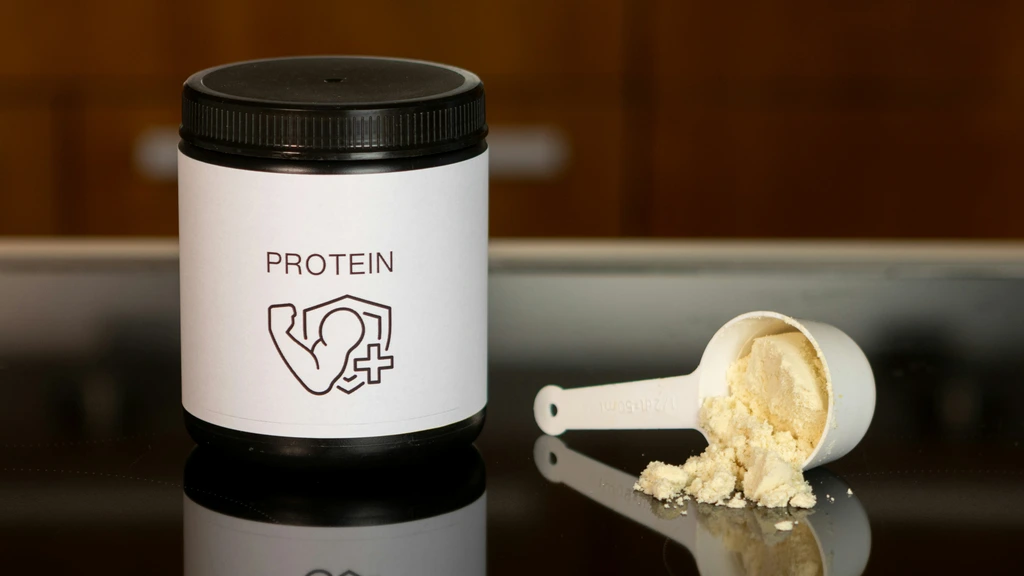
Protein is an essential macronutrient that plays a crucial role in building and repairing tissues, making enzymes, and supporting overall health. Whether you’re looking to build muscle, lose weight, or simply maintain a balanced diet, understanding how much protein your body needs is key. It’s not just about eating more; it’s about eating right.
Understanding Protein Requirements
The amount of protein needed varies greatly among individuals and is influenced by various factors such as age, sex, body weight, and activity level. The Recommended Dietary Allowance (RDA) for protein is 0.8 grams per kilogram of body weight for the average adult. However, depending on your fitness goals, you may need more.
For those seeking to maintain muscle mass, a moderate increase in protein intake might suffice. Individuals involved in regular strength training or intense physical activities often require higher amounts to support muscle recovery and growth.
Protein Needs for Muscle Building
If building muscle is your goal, the general consensus among fitness experts is to consume between 1.2 to 2.2 grams of protein per kilogram of body weight. This increased intake supports muscle synthesis and repair post-exercise. Ensure your protein sources are high-quality, such as lean meats, dairy, eggs, and plant-based proteins like beans and lentils.
Incorporate protein within the right context by balancing it with carbohydrates and fats. Carbohydrates aid in protein metabolism and hormonal balance, while fats are essential for hormone production, including testosterone, which supports muscle growth.
Protein and Weight Loss
When it comes to weight loss, protein plays a vital role in preserving lean muscle mass while you shed body fat. Consuming about 1.6 to 2.4 grams of protein per kilogram of body weight can be effective for most individuals aiming to lose weight. Protein increases satiety, helping to reduce overall calorie intake and promote fat loss.
High-protein diets have been shown to enhance metabolism through the thermic effect of food, where your body burns more calories digesting and metabolizing protein than it does with carbs or fats. This effect can be beneficial in creating a calorie deficit necessary for weight loss.
Maintaining Balance and Preventing Overconsumption
While protein is undoubtedly crucial, it’s important not to overconsume it at the expense of other nutrients. A well-rounded diet should include adequate carbohydrates and healthy fats, alongside protein, to maintain overall health and energy levels.
Excessive protein intake can lead to certain health issues, such as kidney strain and increased risk of osteoporosis. Therefore, it’s essential to customize your protein intake based on informed decisions and ideally, consult with a nutritionist or dietitian if unsure.
Choosing the Right Protein Sources
Quality over quantity is key when it comes to protein. Opt for a variety of sources to ensure a complete amino acid profile. Animal proteins such as chicken, fish, turkey, and beef are excellent sources but consider plant-based options like tofu, quinoa, and chickpeas to diversify your diet and benefit from the fiber and nutrients these foods offer.
Remember that the preparation method counts too. Steaming, grilling, or baking protein sources are healthier approaches compared to frying, which adds unnecessary fats and calories to your meals.
Tailoring your protein intake to match your fitness goals and lifestyle is essential for optimizing health and performance. By focusing on the quality and quantity of protein you consume, alongside a balanced intake of carbs and fats, you can effectively achieve your desired outcomes, whether it’s building muscle, losing weight, or maintaining well-being. Listen to your body and adjust as necessary – after all, balance is the secret to a nutritious diet.









Discussion about this post