


Plant-based protein has moved from niche to mainstream for a reason: it can support muscle repair, satiety, and overall health while bringing along fiber, antioxidants, and a wide range of micronutrients. Whether you eat fully plant-based or just want to make some meals more nutrient-dense, choosing the right protein sources can make a big difference in how you feel, perform, and recover.
One common myth is that plant protein is always “incomplete” or somehow inferior. In reality, many plant foods provide all essential amino acids, and even when a single food is lower in one amino acid, variety across the day easily covers your needs. The bigger practical question is not whether plant protein works, but which sources give you the best combination of protein quality, digestibility, and overall nutritional value.
Why protein quality matters
Protein is made up of amino acids, and your body uses them to build and repair muscle tissue, make enzymes and hormones, and support immune function. For active people, protein also helps preserve lean mass during fat loss and can improve recovery after training. Plant proteins vary in their amino acid profiles and digestibility, which is why some sources are especially useful for athletes or anyone trying to hit a higher daily protein target.
As a simple rule, look for foods that provide:
- A solid amount of protein per serving
- Good leucine content, since leucine helps trigger muscle protein synthesis
- Useful micronutrients such as iron, zinc, magnesium, calcium, or B vitamins
- Enough fiber to support gut health and appetite control
Top plant-based protein sources
1. Soy foods are among the most protein-rich plant options and are also high in quality. Tofu, tempeh, edamame, soy milk, and soy yogurt can all contribute meaningfully to daily intake. Soy provides a strong amino acid profile and is especially valuable for muscle maintenance and recovery. Tempeh is also fermented, which may improve digestibility for some people. Soy foods can be used in both savory and sweet dishes, making them one of the most versatile options available.
2. Lentils offer a great mix of protein, fiber, folate, iron, and potassium. A cup of cooked lentils delivers a substantial protein boost while also supporting steady blood sugar thanks to their fiber content. They are especially useful in soups, stews, curries, grain bowls, and salads. Pairing lentils with vitamin C-rich foods, like tomatoes or peppers, can improve non-heme iron absorption.
3. Chickpeas are another staple that works well in a wide range of meals. They provide protein, fiber, manganese, folate, and iron, and they can be roasted for snacks, blended into hummus, or added to pasta dishes and salads. Chickpeas are not the most protein-dense food on this list, but their versatility and satiety benefits make them highly practical.
4. Beans such as black beans, kidney beans, pinto beans, and cannellini beans are affordable, filling, and nutrient-rich. Along with protein, they contribute fiber and minerals like magnesium and potassium. Regular bean intake is associated with better heart health markers and improved diet quality, likely because they replace more refined foods and add both protein and fiber to the plate.
5. Seitan is one of the highest-protein plant foods available, made from wheat gluten. It is particularly useful for people who want a meat-like texture and a concentrated protein source. Seitan is low in fiber and some micronutrients compared with legumes, so it works best as part of a balanced plate that includes vegetables, whole grains, or legumes. It is not suitable for people with celiac disease or gluten intolerance.
6. Quinoa is often called a complete protein, and while it is not as protein-dense as soy or seitan, it is still a valuable grain for plant-based eating. Quinoa also provides magnesium, manganese, and iron, making it a smart base for bowls, salads, and side dishes. It can help round out meals that need a little extra protein without relying only on legumes.
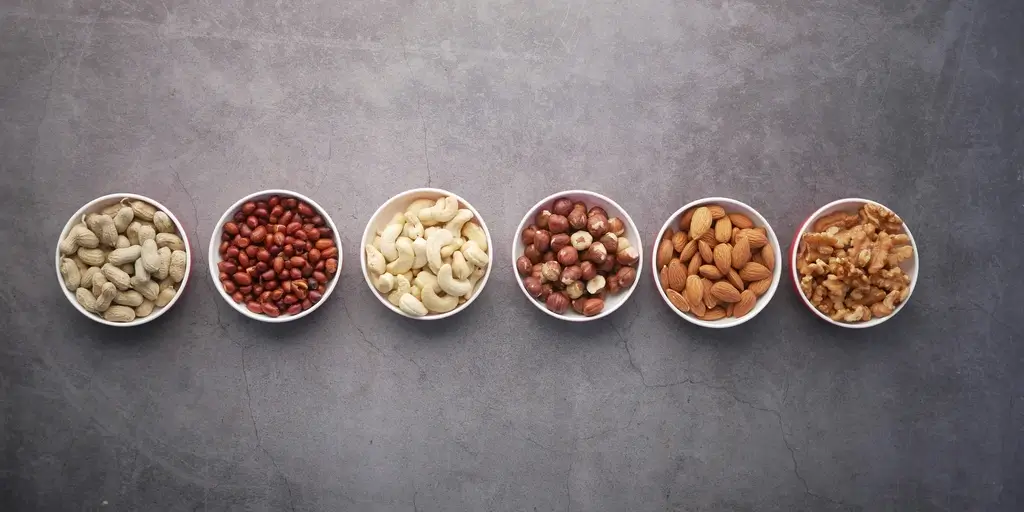
7. Nuts and seeds add protein, healthy fats, and important micronutrients. Hemp seeds, pumpkin seeds, chia seeds, almonds, and peanuts are all useful in different ways. Hemp seeds are especially notable because they are relatively high in protein for a seed, while pumpkin seeds provide magnesium and zinc. Chia seeds bring fiber and omega-3 fats, although they are more of a supporting protein source than a main one.
8. Pea protein and other plant protein powders can be convenient when whole foods are not enough, especially after training or during busy days. Pea protein is easy to mix into smoothies, oatmeal, or baked goods. While supplements should not replace a varied diet, they can help close protein gaps and make it easier to reach daily goals.
How to build a better plant protein plate
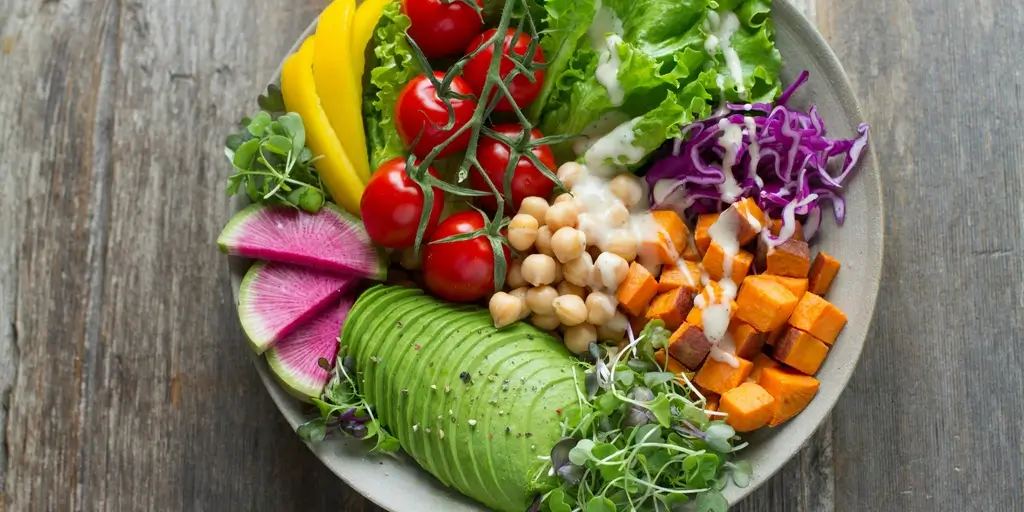
Getting enough protein on a plant-based diet is easier when meals are designed with intention. A useful strategy is to combine a protein source with a high-fiber carbohydrate and a colorful produce item. For example, tofu with brown rice and broccoli, lentils with roasted vegetables, or quinoa with black beans and avocado all create balanced meals with a good mix of macros and micronutrients.
If you train regularly, spreading protein across the day can be more effective than loading it all into one meal. Many people do well with three to five protein-containing meals or snacks, each offering a meaningful dose of protein. This approach supports muscle protein synthesis more consistently and can help with hunger control.
It also helps to think beyond protein alone. Iron, zinc, calcium, iodine, vitamin B12, and omega-3 fats deserve attention on plant-based diets. Some of these nutrients are naturally lower in plant foods, so fortified foods or supplements may be helpful depending on your overall pattern of eating. A well-planned plant-based diet can absolutely meet nutrient needs, but the details matter.
Simple ways to increase intake
- Add tofu or tempeh to stir-fries, wraps, and grain bowls
- Use lentils or beans as the base for soups, salads, and pasta sauces
- Choose soy milk or pea milk instead of lower-protein plant milks
- Top oatmeal or yogurt with hemp seeds, pumpkin seeds, or nut butter
- Keep roasted chickpeas or edamame on hand for snack options
- Use a plant protein powder when convenience matters
Plant-based protein is not about perfection. It is about combining smart food choices in a way that supports your goals, taste preferences, and lifestyle. With the right staples in your kitchen, it is entirely possible to eat in a way that is both high in protein and rich in fiber, vitamins, minerals, and flavor.








Discussion about this post