


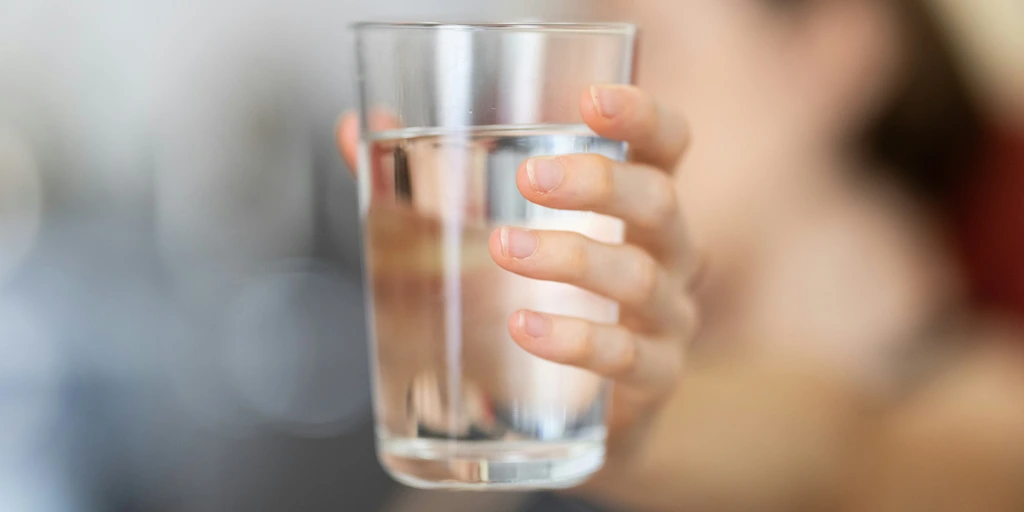
Hydration is not a flashy part of training, but it is one of the most dependable. The athlete who shows up day after day with a steady plan often outperforms the one chasing shortcuts. A strong hydration routine does not need to be complicated. It needs to be consistent, practical, and matched to the demands of your body and your workouts.
Water supports nearly every process that matters when you exercise: temperature control, blood volume, nutrient transport, muscle contraction, and recovery. When hydration slips, performance can follow. Energy feels flatter, perceived effort rises, and the session that should feel manageable starts to feel like a grind. The long game in fitness is built on small habits, and hydration is one of the simplest habits to get right.
Start the day ahead, not behind
Many people begin training already playing catch-up. Sleep, breathing, and normal daily activity all create fluid loss overnight. A smart routine starts before the workout even begins. Drinking a glass or two of water after waking helps replace what was lost and sets a steadier baseline for the day.
For early sessions, this matters even more. If you train first thing in the morning, avoid waiting until you feel thirsty. Thirst is useful, but it is not a perfect early warning system, especially when the pace is high or the environment is warm. Think like an endurance athlete: prepare before the demand arrives.
- Drink water soon after waking.
- Have a small amount 30 to 60 minutes before exercise.
- Use urine color as one simple check: pale yellow usually suggests adequate hydration.
Build a pre-workout rhythm
Hydration before exercise should be steady rather than excessive. Chugging a huge amount right before training can leave you feeling uncomfortable and bloated. A better approach is to sip consistently in the hours leading up to the session. This helps prime your body without overwhelming your stomach.
If your workout is longer, hotter, or more intense, include electrolytes as needed. Sodium is especially important because it helps retain fluid and supports nerve and muscle function. This does not mean every workout requires a sports drink. For shorter or lighter sessions, plain water is often enough. For longer endurance work, repeated sweat loss, or training in heat, electrolytes can make a noticeable difference.
Match fluids to the workout you are doing
Not all training places the same demands on hydration. A calm strength session indoors is different from a long run in summer heat. The best routine respects the session, the weather, and your sweat rate. Consistency is the goal, but the details should shift with conditions.
During exercise, the aim is to replace fluids gradually, not all at once. Small, regular sips are easier on the body and help maintain performance. If your workout lasts under an hour and conditions are mild, you may only need water before and after. If you are training hard for longer than that, build in fluid intake during the session.
- Short, moderate sessions: water before and after may be enough.
- Long sessions: sip regularly throughout.
- Hot or humid conditions: increase attention to both water and sodium.
- Heavy sweaters: plan for more frequent fluid replacement.
Pay attention to the signs your body gives you
Hydration is not just about following a schedule. It is also about learning your body. Fatigue, headache, dizziness, dry mouth, cramping, and a drop in performance can all point to inadequate fluid intake. These signs are not always caused by dehydration, but they are worth noticing. Athletes improve by becoming better observers of their own patterns.
A practical habit is to weigh yourself before and after longer workouts. A significant drop can suggest you are losing more fluid than you are replacing. This is especially useful for runners, cyclists, and anyone training in the heat. Over time, these observations help you refine your routine with more precision.
Recovery begins with what you replace
Hydration after exercise is part of recovery, not a separate task. After sweating, your body needs fluid to restore balance and support the repair process. Drinking water with a meal or snack is often an easy way to rebuild what you lost. Including sodium and carbohydrates after harder sessions can also help the body retain fluid and replenish energy.
The goal is not to obsess over every ounce. It is to create a reliable pattern. Rehydrate steadily after training, especially when sessions are long or intense. If you finish exercise dehydrated, do not wait until the next day to fix it. Recovery works best when you act promptly and consistently.
Make hydration automatic
The most effective routines are the ones you can repeat without needing motivation every time. Keep a bottle where you can see it. Drink at the same moments each day. Pair hydration with existing habits such as waking up, meals, commuting, or finishing a workout. These small cues turn hydration into something automatic instead of something you have to remember from scratch.
It also helps to keep your routine simple enough to sustain. You do not need perfect tracking to perform well. You need a dependable system. Think of hydration the same way you think of training volume, sleep, or nutrition: a steady investment that pays off over time.
A strong hydration routine supports performance by helping you train with more energy, better focus, and greater consistency. The athlete mindset is not about doing everything perfectly for one day. It is about doing the right things often enough that they compound. Drink early, sip wisely, replace what you lose, and keep showing up. That is how a simple habit becomes a performance advantage.









Discussion about this post