


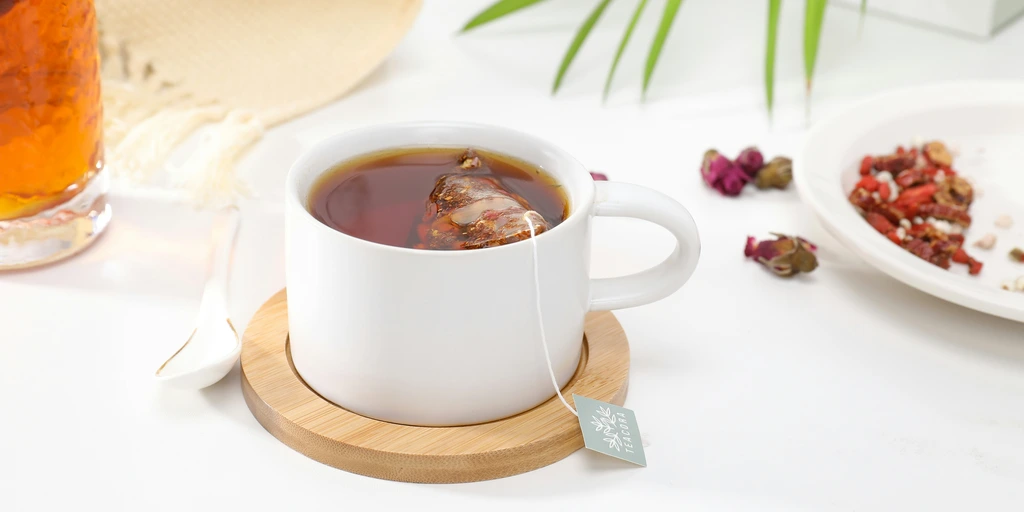
Tea has earned a place in the training routine of many athletes for good reason. It is simple, portable, and steadying. In a world that often celebrates extremes, tea offers something different: consistency. For athletes, that matters. Small habits repeated over time often build the strongest foundation, and tea can be one of those habits when used wisely.
Why tea fits an athlete’s lifestyle
At its core, tea is more than a warm drink. It is a source of hydration, plant compounds, and, in many cases, a moderate dose of caffeine. That combination makes it appealing before training, after training, or during quieter recovery moments. Unlike overly sugary beverages, tea can support performance without weighing you down.
Tea also fits the mindset of endurance. It is not about a quick fix. It is about creating a reliable ritual that helps you prepare, focus, and recover. Whether you prefer green, black, white, oolong, or herbal blends, tea can be adapted to different training demands and personal tolerance.
Key properties that matter in sport
Different teas offer different profiles, but several properties are especially relevant for athletes:
- Caffeine: Found in black, green, oolong, and matcha teas, caffeine may support alertness, reaction time, and perceived effort during exercise.
- Polyphenols: These antioxidant compounds help protect cells from oxidative stress, which can increase after intense training.
- Hydration support: Tea contributes to fluid intake, which is essential for performance, temperature regulation, and recovery.
- Calm focus: Tea often provides a smoother energy experience than stronger stimulants, especially when the caffeine content is moderate.
- Recovery-friendly ritual: The act of preparing tea can slow the pace, helping athletes switch into recovery mode mentally.
Possible performance benefits
Tea is not a magic solution, but it can support training in meaningful ways. For athletes who respond well to caffeine, tea may improve focus and help delay fatigue during endurance sessions. This can be useful for long runs, cycling blocks, interval workouts, or early-morning training when the body feels sluggish.
Green tea and black tea are especially popular because they combine caffeine with beneficial plant compounds. Some athletes find that tea gives them a lighter, more controlled lift than coffee. That can be helpful when you want energy without feeling overstimulated or jittery.
Tea may also help with long-term consistency. A pre-workout cup can become a signal to get ready, breathe, and commit. A post-workout cup can become a cue to slow down, rehydrate, and recover. Those cues matter because athletic progress is often built on routines that remove friction from the day.
Tea and recovery
Recovery is not only about rest. It is about restoring the body so you can train again with quality. Tea can support recovery in a few practical ways. First, it helps with fluid intake, especially when paired with water and food. Second, some teas contain compounds that may help reduce exercise-induced oxidative stress.
That said, tea should not replace the fundamentals. Recovery still depends on sleep, sufficient calories, protein, carbohydrates, and smart training load management. Think of tea as a supportive teammate, not the star player.
Herbal teas can also be useful in the evening, particularly when you want a warm recovery drink without caffeine. Chamomile, peppermint, ginger, and rooibos are popular choices. Ginger tea, in particular, may feel helpful after hard sessions because it is soothing and easy to tolerate.
What athletes should know about caffeine
Caffeine affects people differently. Some athletes thrive on a small amount. Others feel anxious, unsettled, or disrupted in sleep even with modest intake. Since sleep is one of the most powerful performance tools available, it is wise to treat caffeine carefully.
A few practical points can help:
- Test caffeine in training, not on race day.
- Pay attention to timing. Caffeine late in the day may interfere with sleep.
- Start low and observe your response. More is not always better.
- Consider body size, sensitivity, and training goals.
If tea is your caffeine source, remember that strength varies widely by type and steeping time. A longer steep usually increases caffeine and bitterness. That can be useful for some athletes, but not all.
Best tea choices for different needs
There is no single best tea for athletes. The right choice depends on the session and your body’s response.
- Green tea: Often chosen for a lighter caffeine dose and a clean, steady feel.
- Black tea: Typically stronger than green tea and useful before more demanding sessions.
- Matcha: Provides more concentrated tea compounds and can deliver a more noticeable lift.
- Oolong tea: A middle ground between green and black tea, often appreciated for balance.
- Herbal teas: Best for evenings, recovery, or hydration without caffeine.
For athletes who train multiple times per week, variety can be helpful. You may want a stronger tea before key workouts and a calming herbal blend after hard efforts. That approach keeps the habit flexible and sustainable.
Things to watch out for
Tea is generally a smart choice, but a few issues deserve attention. First, very strong tea consumed in large amounts can create too much caffeine for sensitive athletes. Second, some teas may contain added sugar or flavorings that reduce their usefulness as a training beverage. Third, tea can slightly reduce iron absorption when taken with meals, which may matter for athletes at risk of low iron status.
If iron is a concern, it may help to separate tea from iron-rich meals or supplements. This is especially relevant for endurance athletes, female athletes, and those with a history of low ferritin. As always, personal needs matter more than broad rules.
Also, tea should not replace proper nutrition around training. A cup of tea before a session may support focus, but it will not replace carbohydrates if the workout is long or intense. Fuel first, then fine-tune.
How to use tea with purpose
The best results come from using tea intentionally. Before training, choose a tea that matches the session. For a light session, a mild green tea may be enough. For a harder workout, black tea or matcha may offer more support. After training, herbal teas can help you unwind while you continue hydrating.
Build the habit around your schedule. Keep tea accessible. Prepare it the same way you prepare your gear: with purpose. Over time, that ritual becomes part of your training rhythm, and rhythm is powerful. Athletes who succeed over the long haul usually do not rely on motivation alone. They create systems that make the next good decision easier.
Tea may seem like a small detail, but small details add up. If it helps you focus, hydrate, recover, and stay consistent, it is doing real work. That is the athlete’s mindset: respect the basics, repeat them often, and trust the long game.









Discussion about this post