


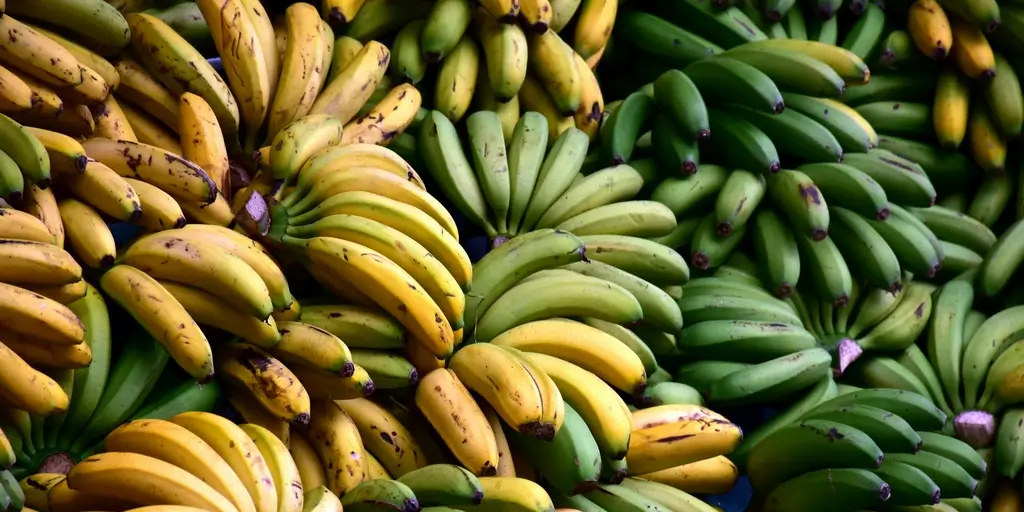
Bananas are one of the most convenient fruits to eat, but the stage of ripeness changes more than just the flavor. Green and ripe bananas differ in starch content, sugar levels, fiber type, and even how your gut may respond to them. The short answer is that neither is universally “healthier”—the better choice depends on your goals, digestion, and how you plan to use them in your diet.
What changes as a banana ripens?
As a banana moves from green to yellow and then to heavily spotted, its carbohydrate profile shifts. Green bananas are higher in resistant starch, a type of carbohydrate that behaves more like fiber than sugar. As ripening progresses, that resistant starch is broken down into simpler sugars such as glucose, fructose, and sucrose, which makes ripe bananas taste sweeter and easier to digest.
This means a green banana generally has a lower glycemic impact than a ripe one, while a ripe banana provides faster-digesting carbohydrates. For most healthy people, the difference is modest in the context of an overall balanced diet, but it can matter if you are managing blood sugar, training around exercise, or paying attention to satiety.
Why green bananas may be appealing
Green bananas are often favored for their resistant starch content. Resistant starch is fermented by gut bacteria in the colon, which can support a healthier microbiome and produce short-chain fatty acids like butyrate. Those compounds are associated with colon health and may help improve insulin sensitivity over time.
Because resistant starch is not fully digested in the small intestine, green bananas may also help you feel fuller for longer. That can be useful if you are trying to manage appetite or keep energy intake steady throughout the day. In practical terms, green bananas are a more “slow-release” carbohydrate source than ripe ones.
There is one caveat: green bananas can be less pleasant to eat and may cause bloating or gas in some people, especially if your digestive system is sensitive to fermentable fibers. If you have a history of IBS or a very reactive gut, tolerance matters as much as theory.
Why ripe bananas may be the better choice sometimes
Ripe bananas are easier to chew, sweeter, and usually gentler on digestion. As resistant starch declines and simple sugars increase, ripe bananas become a quick source of carbohydrate that can be helpful before or after exercise. If you need something easy to digest before a workout, a ripe banana is often the more practical option.
Ripe bananas also tend to be more palatable for children, older adults, and anyone who struggles with appetite. In that sense, “healthier” can mean the food you are actually willing to eat consistently. Nutrition only works if it fits real life.
Micronutrient-wise, ripeness does not dramatically change the banana’s core nutrient profile. Bananas still provide potassium, vitamin B6, and a modest amount of vitamin C, regardless of whether they are green or yellow. Potassium supports muscle contraction, nerve function, and healthy blood pressure regulation, while vitamin B6 plays a role in amino acid metabolism and neurotransmitter synthesis.
Blood sugar: does ripeness matter?
Yes, but not in a dramatic way for most people. Green bananas tend to raise blood glucose more slowly because more of their carbohydrate is trapped in resistant starch. Ripe bananas, with more free sugars, are absorbed more quickly. If you have diabetes or insulin resistance, this difference may be worth considering, especially if you eat bananas alone rather than paired with protein or fat.
That said, portion size matters more than ripeness alone. A small ripe banana eaten with Greek yogurt or nuts will have a very different metabolic effect than a large ripe banana eaten by itself. The overall meal pattern is usually more important than the banana’s color.
Which one is better for gut health?
Green bananas may have an edge here because resistant starch feeds beneficial gut microbes. If your goal is to increase prebiotic intake, slightly green bananas can contribute. Still, not everyone tolerates that fiber well. Ripe bananas are lower in resistant starch but still contain fiber and can be easier for many people to digest.
A useful approach is to rotate ripeness based on tolerance. If green bananas make you gassy or uncomfortable, the potential microbiome benefits are not worth the tradeoff. A healthy diet is one you can digest comfortably and sustain.
Which one is better for weight management?
Green bananas may be slightly more filling because resistant starch and fiber slow digestion. That can support appetite control. However, the actual calorie difference between a green and ripe banana is not huge enough to make or break a weight-loss plan. The bigger factors are total energy intake, protein adequacy, fiber intake across the day, and how well the food helps you stay satisfied.
If you enjoy ripe bananas more, you’re more likely to eat fruit regularly, which is a net positive. Consistency usually beats chasing the “perfect” ripeness stage.
Practical ways to choose
- Choose green bananas if you want more resistant starch, a slower carb source, or extra fullness.
- Choose ripe bananas if you want faster energy, easier digestion, or a sweeter taste.
- Pair either one with protein or healthy fats, such as yogurt, peanut butter, or nuts, to blunt a glucose spike and improve satiety.
- Use ripeness strategically: greener for steady energy, riper for workouts or quick snacks.
For most people, the healthiest banana is the one that matches your digestive comfort, taste preference, and timing needs. Both green and ripe bananas offer valuable nutrients, and both can fit well into an evidence-based eating pattern. If you want the best of both worlds, keep a few bananas at different stages of ripeness on hand and use them for different occasions.







Discussion about this post