


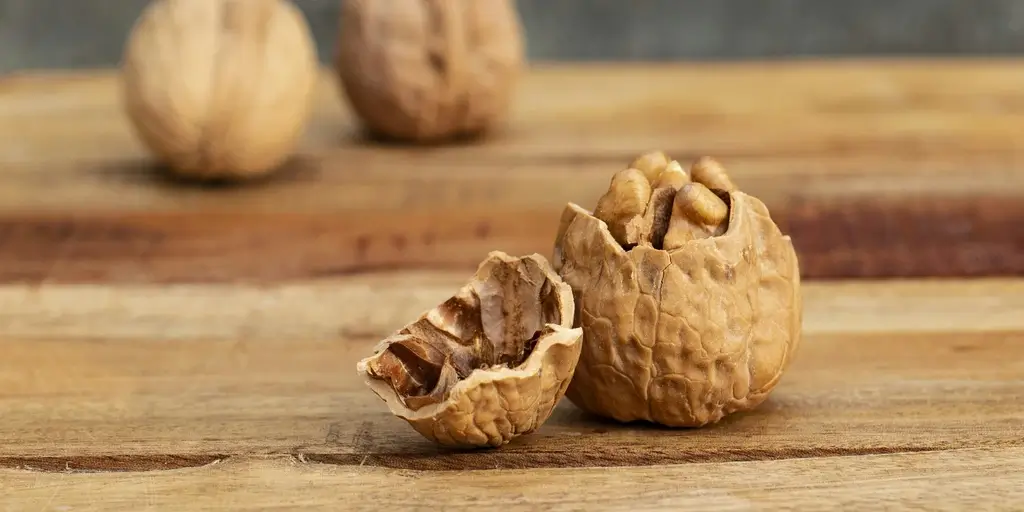
As we move past 40, heart health deserves a little more attention, not more fear. The good news is that simple, consistent nutrition habits can make a real difference over time. Walnuts are one of the most practical foods to add to a heart-focused eating pattern because they deliver healthy fats, fiber, and plant compounds that support cardiovascular health.
Why walnuts are a smart choice after 40
Walnuts are especially known for their alpha-linolenic acid, or ALA, a plant-based omega-3 fat. That matters because omega-3s are associated with healthier blood lipids and a lower inflammatory burden when they are part of an overall balanced diet. Walnuts also contain magnesium, copper, and antioxidants, all of which support normal body function and recovery.
For adults over 40, the goal is not to chase one miracle food. It is to build a pattern that supports:
- healthy cholesterol levels
- steady energy and appetite control
- better blood vessel function
- long-term weight management
Walnuts fit well into that pattern because they are nutrient-dense and easy to portion.
The recommended amount
A practical daily target for most adults is about 1 ounce of walnuts per day, which is roughly 28 grams or 1 small handful. That usually equals about 14 walnut halves, depending on size. For many people over 40, this amount is enough to gain the benefits without adding excessive calories.
If your goal is heart support, consistency matters more than large servings. Eating a small portion daily is often more effective than eating a much larger amount only occasionally. Walnuts are calorie-dense, so keeping the portion controlled helps you enjoy the benefits while staying aligned with weight and blood sugar goals.
How to use walnuts in a heart-healthy routine
Think of walnuts as a replacement food, not just an extra snack. The smartest approach is to swap them in for less nutritious choices. For example:
- use walnuts instead of chips or crackers
- add them to oatmeal or plain Greek yogurt
- sprinkle them over salads or roasted vegetables
- blend them into smoothies for healthy fats and texture
You can also pair walnuts with protein and fiber for better satiety. A small apple with walnuts, or yogurt with walnuts and berries, is a much more balanced option than eating them alone if you are trying to manage hunger and energy through the day.
What to watch out for
Walnuts are healthy, but they are not automatically right in unlimited amounts. If you are managing body weight, portion control is important. If you have a tree nut allergy, obviously avoid them. And if you are taking blood-thinning medication or managing a medical condition, it is wise to discuss dietary changes with your healthcare provider.
Also remember that a strong heart comes from the full picture:
- regular exercise, including strength training and cardio
- adequate sleep
- stress management
- consistent intake of vegetables, fruits, lean protein, and high-fiber carbohydrates
Walnuts can support the plan, but they do not replace it.
A trainer’s practical take
If you are over 40 and want a realistic heart-healthy habit, start with 1 ounce of walnuts per day. That amount is manageable, evidence-informed, and easy to track. Use it to upgrade meals you already eat, and stay focused on the basics: portion awareness, regular movement, and long-term consistency.
When nutrition is simple and repeatable, it is easier to stick with. That is exactly what helps build a stronger heart over time.










Discussion about this post