


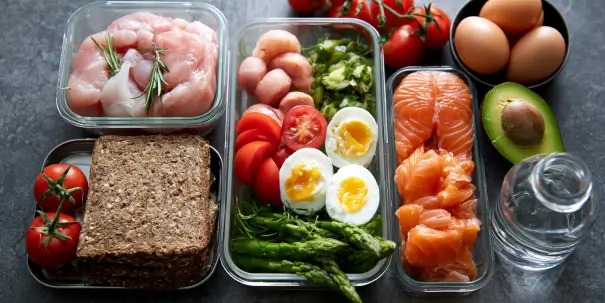
If you want bigger lifts, better runs, cleaner recovery, and way more energy in the gym, you’ve gotta stop thinking of food as just “stuff to eat” and start treating it like performance fuel. Training hard is only half the battle. The other half? Piling your plate with the right stuff so your body can actually show up and do the work. No fuel, no gains. Simple as that.
For beginners, nutrition can feel like a giant maze of macros, meal timing, supplements, and social media nonsense. But don’t stress. You do not need a perfect meal plan or a shaker bottle full of mystery powder to get started. You just need a few solid habits, a basic understanding of what your body needs, and the consistency to keep showing up. That’s where the real progress lives.
Build Every Meal Around the Big Three
The easiest way to eat for fitness is to focus on three major nutrients: protein, carbohydrates, and fats. These are the heavy hitters. Each one plays a different role in helping you train, recover, and stay energized.
Protein helps repair and build muscle after tough workouts. If you’re trying to get stronger, leaner, or just feel more satisfied after meals, protein is your best friend. Great beginner-friendly options include chicken, turkey, eggs, Greek yogurt, cottage cheese, tofu, tempeh, lean beef, fish, and protein shakes.
Carbohydrates are your body’s main energy source, especially for lifting, sprinting, biking, or anything that gets your heart rate up. Carbs help refill your energy stores so you don’t feel flat and sluggish in the gym. Think rice, oats, potatoes, pasta, fruit, whole-grain bread, and beans. Carbs are not the enemy. They are the gas in the tank.
Fats support hormones, brain function, and overall health. They also help keep meals satisfying so you’re not prowling the kitchen an hour later. Healthy fat sources include avocado, olive oil, nuts, seeds, nut butter, eggs, and fatty fish like salmon.
Protein: The Muscle-Building MVP
If you’re serious about fitness, protein deserves special attention. You don’t need to go full bodybuilder mode, but having enough protein every day can make a huge difference in recovery and muscle growth. A good starting point for many active people is to include a protein source at every meal.
Try this: aim for a palm-sized serving of protein at breakfast, lunch, and dinner. If you train hard or have higher protein needs, add a snack like Greek yogurt, a protein bar, or a shake. The goal is to keep your muscles supplied with the building blocks they need to recover and grow stronger.
Easy ways to boost protein without making life complicated:
- Add eggs or egg whites to breakfast.
- Mix Greek yogurt with fruit and granola.
- Throw chicken or tofu into rice bowls.
- Keep tuna packets or jerky on hand for emergencies.
- Use protein powder in smoothies, oats, or pancakes.
Carbs: Your Training Fuel
Carbs get way too much hate, and honestly, that’s a rookie mistake. If your workouts feel weak, your legs are heavy, or you’re dragging through the day, chances are you need more quality carbs. They help power training sessions and keep your body from burning out too fast.
Before a workout, a carb-focused snack can give you a serious boost. Think banana and peanut butter, toast with honey, oatmeal, or a small bowl of rice with lean protein. After training, pairing carbs with protein helps replenish energy and kick-start recovery. That’s a big win for anyone trying to build muscle or bounce back faster between sessions.
Some solid carb choices for fitness fuel:
- Oats
- Rice
- Potatoes
- Whole-grain pasta
- Fruit like bananas, berries, and apples
- Beans and lentils
Fats: The Unsung Hero
Fat has been misunderstood for years, but it’s essential for a healthy body and solid performance. You just don’t want to go overboard before training, because high-fat meals can sit heavy in your stomach. Outside of that, fats are a major player in keeping your body running smoothly.
Use fats to make meals more satisfying and flavorful. Add avocado to eggs, olive oil to veggies, nuts to yogurt, or salmon to your dinner plate. You don’t need to track every gram as a beginner. Just make sure healthy fat sources are showing up regularly in your meals.
Hydration: The Most Underrated Gain
If you’re eating perfectly but not drinking enough water, you’re still leaving performance on the table. Dehydration can mess with energy, strength, focus, and recovery. Even a small dip in hydration can make a workout feel way harder than it should.
Start simple: drink water throughout the day, not just when you’re already thirsty. If you sweat a lot, train in hot weather, or do long sessions, consider adding electrolytes to help replace minerals lost through sweat. A good hydration routine is one of the easiest upgrades you can make.
Hydration tips that actually work:
- Keep a water bottle with you all day.
- Drink a glass of water when you wake up.
- Have water before, during, and after workouts.
- Add fruit or electrolyte mixes if plain water gets boring.
Meal Timing Without the Headache
Do you need to eat every two hours like clockwork? Nope. Do you need a strict meal schedule to get results? Also nope. But having a rough structure can help you feel better and perform better.
For most beginners, eating a balanced meal 2 to 3 hours before training works well. That meal should have carbs, protein, and not too much fat if you want it to digest comfortably. After your workout, get another meal or snack with protein and carbs within a couple of hours. Nothing magical happens at the minute your set ends, so don’t get caught in the timing trap. Just be consistent.
What a Beginner’s Day of Eating Could Look Like
If you’re wondering how all this looks in real life, here’s a simple example of a fitness-friendly day of eating:
- Breakfast: Oats with Greek yogurt, berries, and chia seeds
- Lunch: Chicken rice bowl with veggies and avocado
- Pre-workout snack: Banana and a protein shake
- Dinner: Salmon, potatoes, and roasted broccoli
- Evening snack: Cottage cheese with fruit or peanut butter toast
That’s it. Nothing fancy. Just solid meals built around protein, carbs, fats, and enough calories to support your goals.
Common Beginner Nutrition Mistakes
When people start getting serious about fitness, they often make a few classic mistakes. Avoid these and you’ll be ahead of the game:
- Skipping meals: If you don’t eat enough, your workouts will suffer.
- Going too low-carb: Low energy and weak sessions are the usual result.
- Obsessing over perfection: One “bad” meal will not destroy your progress.
- Ignoring protein: Without enough protein, recovery takes a hit.
- Not drinking water: Hydration matters more than most beginners realize.
The big lesson? Progress comes from doing the basics well, not from chasing some elite-level diet trend that you can’t sustain.
Supplements: Helpful, Not Magical
Supplements can be useful, but they’re not the foundation. Food comes first. Once your meals are in a good place, a few supplements may help support performance or convenience. Common ones include whey protein, creatine, caffeine, and electrolytes. But none of them replace a balanced diet, smart training, and enough sleep.
If you’re brand new, don’t stress over supplements yet. Focus on building a strong food routine first. That’s where the real gains are built. Supplements are just the side quest.
Make It Sustainable and Keep Crushing It
The best nutrition plan is the one you can stick to. You don’t need to eat bland chicken and rice five times a day. You don’t need to weigh every almond. You just need a system that helps you hit your basics most of the time.
Start with these non-negotiables:
- Eat protein at every meal.
- Include carbs to fuel training.
- Use healthy fats for balance and satisfaction.
- Drink water like it’s part of the program.
- Stay consistent, not perfect.
When you treat food like fuel, everything gets easier: stronger workouts, better recovery, more energy, and way more confidence in and out of the gym. Keep it simple, keep it consistent, and keep stacking wins. That’s how beginners turn into lifters who actually know how to eat for performance and results.







Discussion about this post