



As we age, various physiological processes in our bodies begin to change. One significant change that isn’t always immediately visible is the slowing of collagen production. Collagen, the most abundant protein in the body, plays a crucial role in maintaining the structure and integrity of our skin, hair, nails, and joints. Unfortunately, as many begin to notice, this process often starts declining at the age of 25.
Understanding Collagen and Its Importance
Collagen is essentially the ‘glue’ that holds our bodies together. It provides skin with elasticity, plays a role in joint health, and even aids in protecting our organs. Primarily found in the skin, bones, muscles, and tendons, collagen is responsible for our skin’s strength and structure. It’s no wonder that maintaining collagen levels is akin to maintaining youth itself.
Moreover, collagen has been hailed for its roles beyond structural support. It’s essential for wound healing and combating signs of aging, such as wrinkles and sagging. With these myriad roles, a reduction in collagen production can lead to visible and sometimes uncomfortable changes in our bodies.
Why Does Collagen Production Slow?
Multiple factors contribute to the slowing down of collagen synthesis as we age. One primary reason is simple biology. Our bodies naturally produce less collagen starting from about the mid-twenties. As this natural decline coincides with other life changes, it’s easy to see the compounded effects.
External factors exacerbate this biological decline. Exposure to harsh environmental conditions, such as sun exposure, pollution, and smoking, significantly accelerates the breakdown of collagen in our bodies. Furthermore, poor diet and stress levels can also influence the body’s ability to produce and maintain collagen.
Signs of Diminishing Collagen Levels
The most tangible signs of reduced collagen are often visible in the skin. You may notice:
- Increased Wrinkles: Fine lines, especially around the mouth and eyes, become more prominent.
- Skin Sagging: A loss of firmness, particularly around the cheeks and jawline.
- Dryness: As collagen helps retain moisture, a decrease can lead to drier skin.
Aside from skin-related changes, reduced collagen can make daily activities uncomfortable. Joint pain or stiffness, weakened muscles, and even digestive issues might all trace back to diminished collagen levels.
Strategies to Boost Collagen Production
While the decline in collagen production is natural, there are proactive measures you can take to reduce its impact:
1. Nourish Your Body with Collagen-Rich Foods
The role of diet cannot be underestimated. Foods rich in amino acids, the building blocks of collagen, should be staples in your diet. Bone broth, chicken skin, fish, and egg whites are excellent sources of collagen or its precursor components.
2. Prioritize Vitamins and Minerals
Vitamins C and E are essential for collagen synthesis. Citrus fruits, berries, nuts, and seeds are food items that support the body’s natural collagen production. Additionally, minerals like copper and zinc, found in shellfish and nuts, are crucial in maintaining collagen health.
3. Implement a Healthy Skin Routine
Topical products containing retinoids or hyaluronic acid can support skin’s collagen health. Consistent application of sunscreen will protect against collagen breakdown induced by UV rays.
4. Consider Supplements
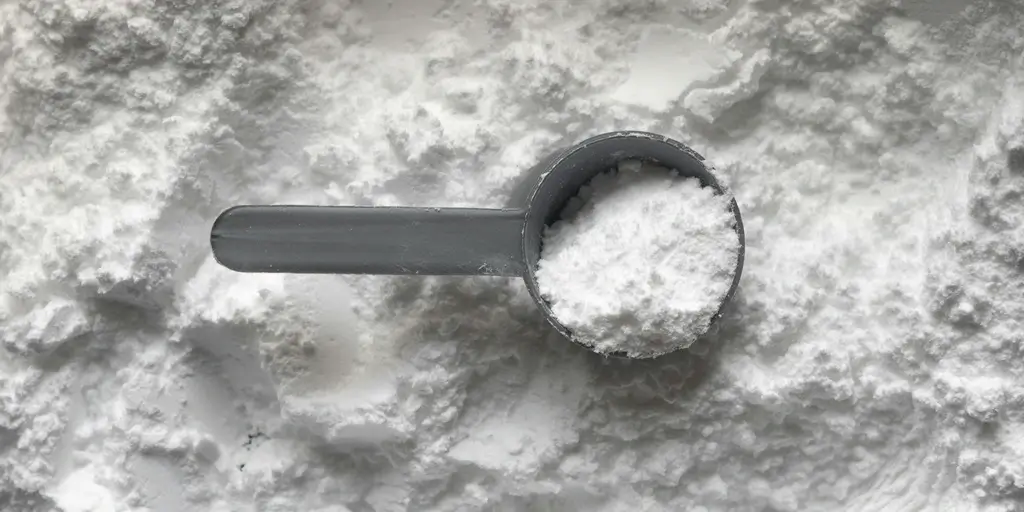
If dietary sources aren’t enough, collagen supplements (usually in the form of hydrolyzed collagen peptides) may offer benefits. These supplements are absorbed more easily, and studies have shown they can improve skin elasticity and hydration.
5. Promote a Healthy Lifestyle
Avoid smoking, consume alcohol in moderation, and manage stress. Physical activities that boost circulation can also help bolster collagen levels and maintain overall skin health.
The Psychological Impact and Acceptance
While it’s natural to seek means to preserve our youth, it’s essential to remember that aging isn’t something to fear but to embrace. Adopting a holistic approach that includes nutrition, skincare, and lifestyle modifications can help you age gracefully. Understanding how collagen works and what we can control offers empowerment rather than concern.
By acknowledging these shifts in collagen production and strategically adapting to them, you can maintain healthy skin, support joint mobility, and enjoy lifelong wellbeing.









Discussion about this post