


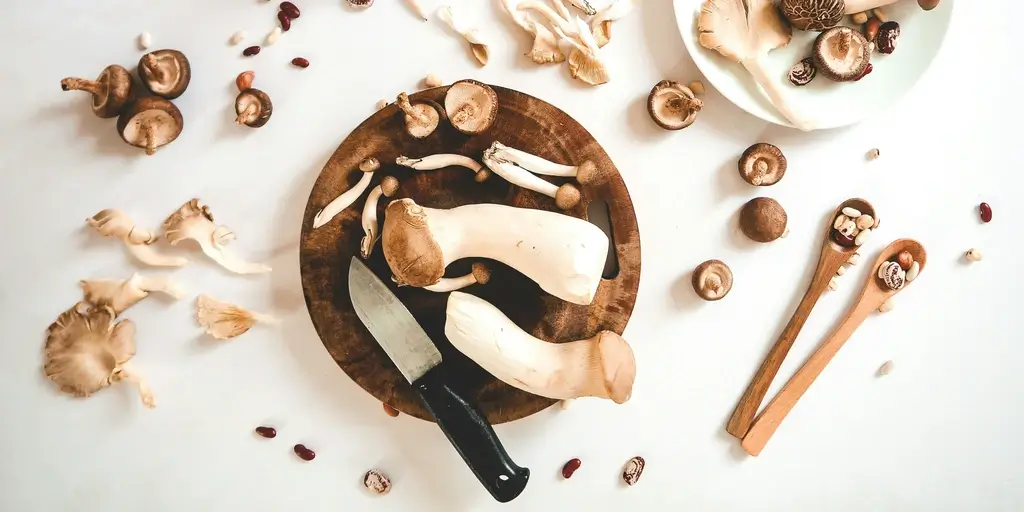
Why mushrooms deserve a bigger place on your plate
Mushrooms are having a well-earned moment, but they have always been a smart choice for anyone looking to eat in a more balanced, satisfying way. They bring a lot to the table: rich flavor, useful nutrients, and a texture that works in everything from quick stir-fries to hearty soups. They are also one of those ingredients that can quietly make meals feel more complete without requiring a lot of effort in the kitchen.
What makes mushrooms especially appealing is how versatile they are. They can play a supporting role in a dish or take center stage, adding depth and substance without being heavy. Whether you like them sautéed, roasted, grilled, or blended into sauces, mushrooms can help turn simple ingredients into something much more interesting.
A naturally flavorful way to eat better
One of the biggest reasons to eat more mushrooms is their umami quality. Umami is often described as a savory, satisfying taste, and mushrooms deliver it beautifully. That means they can help meals taste richer and more complete, which is especially helpful if you are trying to cut back on excess salt or reduce reliance on heavy sauces.
Because of this flavor profile, mushrooms pair well with a wide range of foods. Add them to pasta, eggs, tacos, grain bowls, burgers, or soups, and they can make the whole dish taste more rounded. For plant-forward eaters, mushrooms are especially valuable because they add a meaty texture and savory depth that many meals can use.
Nutritional benefits in a small package
Mushrooms are low in calories but offer more nutritional value than many people realize. They contain important B vitamins, including riboflavin, niacin, and pantothenic acid, which help the body turn food into energy. Some varieties also provide minerals such as selenium, copper, and potassium.
Depending on the type and how they are grown, mushrooms may also contain vitamin D, especially if they have been exposed to UV light. That makes them one of the few foods that can naturally contribute to vitamin D intake. While mushrooms should not be seen as a miracle food, they can definitely be part of a nutrient-dense eating pattern.
Another benefit is that mushrooms are naturally low in fat and sodium, making them a smart addition to meals when you want something filling without making the dish overly dense or salty. They are also a source of fiber, particularly certain types of mushroom fiber that may help support digestion and general gut health.
Easy to work into everyday meals
One of the best things about mushrooms is how easy they are to use. You do not need a complicated recipe to enjoy them. A handful of sliced mushrooms can be cooked with olive oil, garlic, and herbs for a simple side dish. They can also be chopped and mixed into sauces, soups, and casseroles to add bulk and flavor.
If you are cooking for a family, mushrooms are a practical ingredient because they fit into many styles of eating. You can add them to:
- Breakfast omelets and frittatas
- Salads and grain bowls
- Stir-fries and noodle dishes
- Pizza and flatbreads
- Wraps, sandwiches, and burgers
- Stews, curries, and pasta sauces
They also cook quickly, which makes them useful on busy weeknights. With just a few minutes in a pan, mushrooms become tender, browned, and deeply flavorful.
A smart swap for more balanced eating
Mushrooms can be especially helpful if you are trying to make meals feel more satisfying while still keeping them balanced. Many people use them as a partial replacement for meat in recipes because they create a hearty texture and absorb seasoning well. This can be a useful strategy for reducing overall meat portions without making a meal feel smaller or less filling.
For example, mixing chopped mushrooms into ground beef for burgers, meatballs, or tacos can stretch a recipe while adding moisture and flavor. This approach can be useful not only for plant-based diets, but also for anyone who wants to enjoy a more flexible way of eating. It is a simple change that can make everyday meals feel fresher and more varied.
Tips for buying and cooking mushrooms
When shopping for mushrooms, look for ones that are firm, smooth, and free from slimy spots. They should have a fresh, earthy smell rather than a sour or ammonia-like odor. Popular varieties like button, cremini, and portobello are easy to find, but shiitake, oyster, and maitake mushrooms can add even more interesting flavor and texture.
To cook mushrooms well, it helps not to overcrowd the pan. If too many are packed in at once, they can steam instead of brown. Giving them a little space allows moisture to cook off and helps develop that rich, golden color people love. A hot pan, a little fat, and a pinch of salt usually go a long way.
It is also worth remembering that mushrooms release water as they cook, so be patient. Once that moisture evaporates, their flavor becomes much deeper and more concentrated. That is the moment they really shine.
Simple ways to eat more mushrooms this week
If mushrooms are not already a regular part of your meals, start small. Add them to one recipe this week and see how easily they fit in. You might sauté them with onions for an egg breakfast, roast them alongside vegetables, or stir them into a tomato sauce. Even one or two extra mushroom-based meals can make it easier to build the habit.
Here are a few easy ideas to try:
- Top avocado toast with sautéed mushrooms and herbs
- Mix mushrooms into scrambled eggs
- Use portobellos as a burger alternative
- Add mushrooms to soups for more body and flavor
- Stir them into rice, quinoa, or pasta dishes
Mushrooms may not be flashy, but they are one of the most useful ingredients you can keep on hand. They bring flavor, versatility, and useful nutrients to the table, all with very little fuss. If you are looking for an easy way to make meals more satisfying and more interesting, mushrooms are a simple place to start.










Discussion about this post