


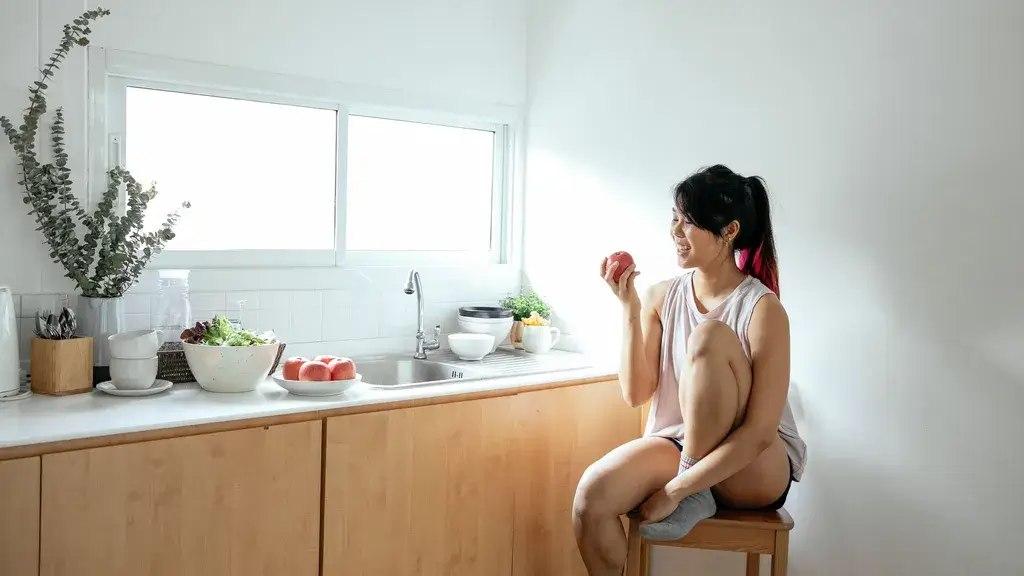
Sport-casual living is having a moment, but it is more than a trend in leggings and sneakers. At its best, it is a practical way of structuring daily life around movement, recovery, and nutrition that supports both performance and real-world demands. Instead of separating “fitness” from “normal life,” sport-casual living blends them: you walk more, sit less, eat with more intention, and choose habits that make energy, body composition, and mental clarity easier to maintain.
What sport-casual living actually means
Think of it as an everyday athletic lifestyle without the pressure to train like an athlete all the time. You might lift weights three times a week, take meetings in comfortable clothes, hit your step count, and build meals around protein, fiber, and hydration. The appeal is simple: when your environment supports movement and recovery, consistency becomes easier.
This matters because health outcomes are driven less by occasional extreme effort and more by repeated small behaviors. A person who gets regular light activity, enough protein, and adequate sleep will often feel better than someone who trains hard but spends the rest of the day sedentary, under-fueled, and stressed.
Why the lifestyle is catching on
There are a few reasons sport-casual living has become so visible:
- Comfort became non-negotiable. People want clothing and routines that work from morning errands to a workout to dinner.
- More people understand metabolic health. Blood sugar stability, muscle mass, and daily movement are now mainstream topics.
- Recovery is finally getting attention. Sleep, hydration, and stress management are recognized as performance tools, not luxuries.
- Fitness is being normalized. Exercise is less about aesthetics alone and more about energy, resilience, and longevity.
It also fits modern life. Many people do not have time for elaborate meal plans or two-a-day training sessions. Sport-casual living offers a more sustainable model: stay ready, stay mobile, and make healthy choices the default.
The nutrition side: why this lifestyle works better when you eat for it
Clothes and habits aside, nutrition is where sport-casual living either becomes genuinely effective or stays cosmetic. If you are more active, even moderately, your body benefits from a more strategic approach to macronutrients.
Protein is the anchor. It supports muscle repair, satiety, and thermogenesis. Many active adults do well aiming for roughly 1.2 to 2.0 grams of protein per kilogram of body weight per day, depending on training load and goals. That does not require bodybuilding-level eating; it simply means making protein visible at each meal through Greek yogurt, eggs, tofu, fish, poultry, lean meat, legumes, or protein-rich dairy.
Carbohydrates are not the enemy here. They are the body’s preferred fuel for higher-intensity exercise and help replenish glycogen. If your day includes strength training, long walks, cycling, or simply staying on your feet, carbs from fruit, oats, rice, potatoes, beans, and whole grains can improve energy and reduce the likelihood of feeling flat or ravenous later.
Fats matter for hormone production, absorption of fat-soluble vitamins, and satiety. Olive oil, nuts, seeds, avocado, and fatty fish provide useful unsaturated fats along with micronutrients.
Micronutrients are easy to overlook, but they often determine how “good” a healthy routine actually feels. Iron supports oxygen transport, magnesium plays a role in muscle function and sleep quality, calcium and vitamin D support bone health, and potassium helps with fluid balance and nerve signaling. A sport-casual pattern built around varied whole foods usually covers these bases better than a highly processed, convenience-only diet.
What a day of sport-casual eating can look like
You do not need a perfect meal plan. You need a repeatable one. A practical day might look like this:
- Breakfast: Greek yogurt with berries, oats, and chia seeds, or eggs with whole-grain toast and fruit.
- Lunch: A grain bowl with chicken or tofu, mixed greens, beans, avocado, and olive oil dressing.
- Snack: A banana with peanut butter, cottage cheese, or a protein shake.
- Dinner: Salmon, roasted potatoes, and vegetables, or lentil pasta with a side salad.
This style of eating tends to be high in fiber, moderate to high in protein, and rich in micronutrients. It also supports appetite regulation, which is important if you are active and want stable energy rather than a cycle of restriction and rebound eating.
Movement is part of the package
Sport-casual living is not just about looking like you might work out. It is about incorporating movement into the day in a way that feels normal. That might mean taking stairs, walking after meals, doing mobility work while coffee brews, or scheduling short strength sessions that fit your life.
From a physiology standpoint, this is powerful. Frequent movement improves insulin sensitivity, supports circulation, and may help regulate mood through multiple pathways, including endorphins and stress reduction. It also preserves lean mass when paired with resistance training, which is important because muscle is metabolically active tissue that supports healthy aging.
People often underestimate how much low-intensity activity matters. Ten minutes here and fifteen minutes there can meaningfully add up. You do not need to be “all in” to benefit; you just need enough consistency that your body keeps adapting.
The style factor is not trivial
It may sound superficial, but clothing influences behavior. When your clothes are comfortable, functional, and flattering enough that you feel ready to move, you may actually move more. Sport-casual wardrobes can reduce friction between intention and action. If you can go from commuting to walking to lifting weights without changing outfits, there is less room for excuses and more room for consistency.
That does not mean everyone needs to live in athleisure. It means choosing garments that support the lifestyle you want. If your schedule is packed, a wardrobe that accommodates movement, temperature changes, and comfort can remove a surprising amount of daily resistance.
How to make it work without turning it into another wellness identity
The risk with any lifestyle trend is overcomplication. Sport-casual living should make your life easier, not turn every meal and outfit into a performance review. A few simple guidelines help keep it grounded:
- Build meals around protein and plants. Add carbs and fats based on appetite and activity.
- Keep snacks useful. Choose options that support energy, like fruit, nuts, yogurt, or hummus and crackers.
- Move daily. Even short bouts of walking or mobility work count.
- Train for function. Strength, cardiovascular fitness, and flexibility are all worth maintaining.
- Prioritize recovery. Sleep and hydration influence hunger, performance, and mood more than many people realize.
If you are trying to improve body composition, the basics still apply: adequate protein, enough total calories to support your goals, and a training plan you can repeat. If you are focused on energy and health, the same framework helps. The difference is in how aggressively you pursue change, not in the underlying science.
Why it resonates right now
Sport-casual living matches where many people are emotionally and practically. It is less rigid than traditional dieting, less performative than hardcore fitness culture, and more realistic than trying to separate health from everyday life. It respects the fact that people want to feel capable, look put together, and eat in a way that supports both performance and pleasure.
From a nutrition perspective, that is a promising shift. The best habits are the ones that can survive busy weeks, social events, travel, and imperfect motivation. If sport-casual living helps people walk more, eat enough protein, reduce sedentary time, and recover better, then it is not just a vibe. It is a workable model for feeling better over the long term.
In other words, this trend is worth paying attention to because it reflects a broader change in how people think about health: less punishment, more practicality. And that, from a science-based point of view, is a pretty smart direction.









Discussion about this post