


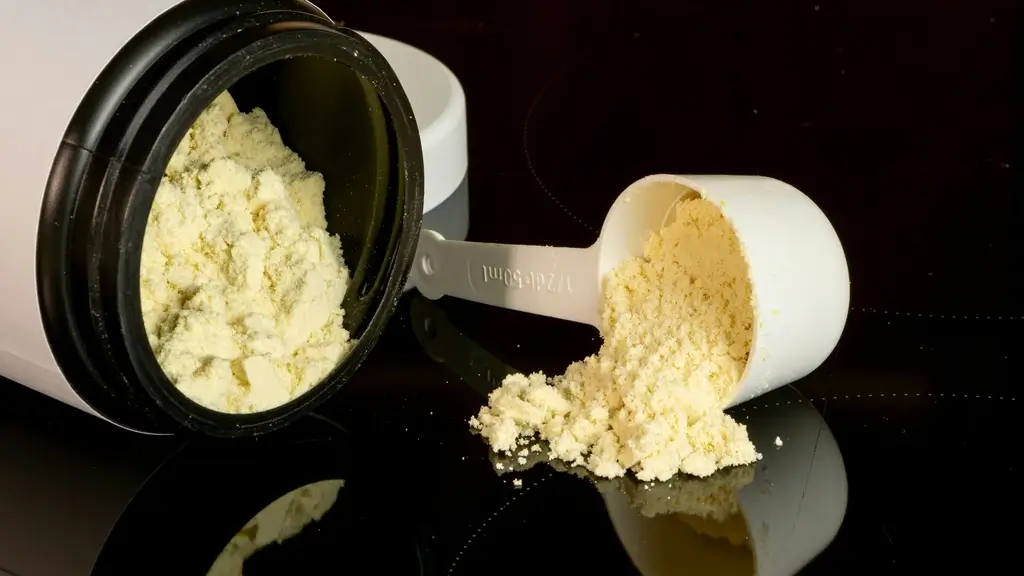
Protein powders have become a staple for athletes, fitness enthusiasts, and anyone looking to increase their protein intake conveniently. However, with the plethora of options available, choosing the right one can be daunting. To navigate this protein-packed world, it’s essential to understand your personal needs, dietary restrictions, and health goals.
Different Types of Protein Powders
The first step in finding the perfect protein powder is identifying the type that aligns with your requirements. Let’s take a closer look at some popular options:
- Whey Protein: Derived from milk, whey protein is a complete protein, meaning it contains all nine essential amino acids. It’s quickly absorbed, making it an excellent choice for post-workout recovery.
- Casein Protein: Another milk-based protein, casein digests more slowly, providing a steady release of amino acids. It’s ideal for sustained nourishment, such as before bedtime.
- Pea Protein: A plant-based protein rich in iron and easy to digest, pea protein is a suitable option for vegans and those with lactose intolerance.
- Hemp Protein: With its complete amino acid profile and high fiber content, hemp protein is perfect for those seeking a plant-based alternative with added digestive benefits.
- Brown Rice Protein: This hypoallergenic, vegan protein source is easily digested and suitable for most people, although it is often blended with other proteins for a complete amino acid profile.
Consider Your Dietary Goals
Your fitness and dietary goals should significantly influence your choice of protein powder. Whether you’re aiming for muscle gain, weight loss, or general wellness, there’s a protein powder to support your journey.
For muscle building, look for a protein powder with a high Biological Value (BV), like whey protein, which provides rapid amino acid delivery to the muscles. Aim for around 20-30 grams of protein per serving post-workout to optimize muscle repair and growth.
Those targeting weight loss might consider a protein powder with added ingredients that support satiety, like fiber or specific types designed to help manage hunger levels.
Check the Ingredients List
Once you’ve identified the type of protein that suits your needs, scrutinize the ingredients list. High-quality protein powders will be low in added sugars and artificial ingredients. Look for naturally flavored options and ensure the protein source is the primary ingredient. If you have dietary restrictions, such as gluten intolerance or lactose sensitivity, verify that the product is safe for your consumption.
Flavor and Mixability
Don’t underestimate the importance of flavor and mixability when choosing a protein powder. A pleasing taste and smooth mixing experience can significantly affect your adherence to incorporating protein supplementation into your routine. Opt for flavors that you genuinely enjoy and test samples before committing to a larger purchase, if possible.
Remember, the perfect protein powder is one that meets all your dietary, health, and personal preferences while fitting seamlessly into your lifestyle. Whether it’s a blend for your post-workout shake or an ingredient in your morning smoothie, the right protein powder can power your day and propel you towards your health goals.











Discussion about this post