


If you want to eat more protein without overspending, the best strategy is usually not a single “superfood” but a smart mix of low-cost, nutrient-dense protein sources. The cheapest healthy options tend to be foods that deliver a lot of protein per dollar, while also bringing along useful micronutrients like iron, zinc, B vitamins, calcium, or fiber.
From a nutrition science perspective, the healthiest budget proteins are often the ones that are minimally processed, versatile, and easy to pair with vegetables, whole grains, and healthy fats. That combination helps you get enough protein for muscle maintenance, recovery, and satiety without turning every meal into a chore.
Best low-cost protein foods
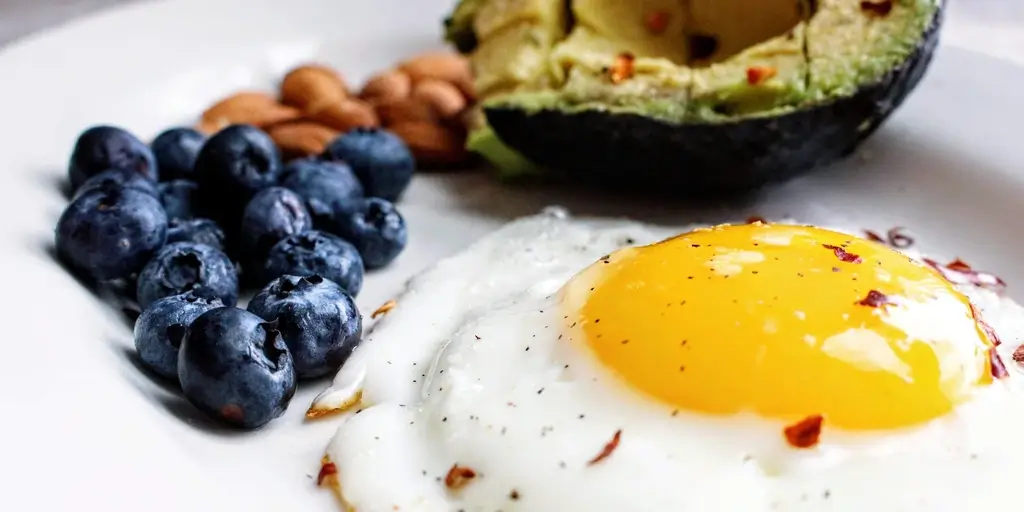
Eggs are one of the most cost-effective proteins in many diets. They provide high-quality protein with all essential amino acids, plus choline, selenium, and vitamin B12. They are especially useful because they are quick to cook and work in breakfasts, salads, stir-fries, and sandwiches.
Dried beans and lentils are often the cheapest protein sources per serving. They are not only rich in protein but also in fiber, folate, potassium, magnesium, and iron. Fiber helps with blood sugar control, gut health, and fullness, so legumes can be one of the most satisfying budget foods you can buy. They pair well with rice, oats, corn tortillas, or potatoes to create a complete, balanced meal pattern across the day.
Greek yogurt and cottage cheese can be excellent value depending on your local prices. These dairy foods offer protein plus calcium, phosphorus, and often iodine. Choose plain versions when possible to avoid added sugar, then add fruit, cinnamon, or a small amount of nuts for flavor and extra nutrients.
Canned fish such as tuna, sardines, and salmon can be surprisingly affordable. They are convenient, shelf-stable, and typically high in protein. Sardines and salmon also provide omega-3 fats, vitamin D, and calcium if the bones are included. Tuna is lean and budget-friendly, though it is wise to vary fish choices over time for mercury reasons.
Tofu and soy foods are another strong option, especially if you want an inexpensive plant-based protein. Tofu supplies high-quality protein, iron, calcium if set with calcium, and is very adaptable in cooking. Soy foods are well-studied and can fit into a healthy diet for most people.
Chicken thighs and drumsticks are often cheaper than chicken breast and still provide plenty of protein, along with iron, zinc, and B vitamins. Buying family packs, cooking in batches, and using the bones for broth can stretch the value further.
How to make protein cheaper without lowering quality
One of the easiest ways to save money is to stop thinking of protein as the centerpiece of the plate. Instead, build meals around a protein anchor and use affordable supporting foods like beans, vegetables, grains, and potatoes. A bowl with lentils, rice, frozen vegetables, and olive oil can be both economical and nutritionally strong.
Buy in bulk when it makes sense. Dry lentils, oats, rice, peanut butter, canned fish, and frozen edamame are often cheaper in larger quantities. Freezing extra portions can reduce waste, which is a hidden cost in many households.
Choose frozen and canned options. Frozen vegetables are often just as nutritious as fresh and can help you create balanced meals for less. Canned beans, canned fish, and shelf-stable tofu reduce prep time and food waste.
Use mixed protein meals. You do not need a huge serving of meat at every meal. Combining smaller amounts of animal protein with legumes or grains can lower cost while keeping protein intake high. For example, a turkey and bean chili, eggs with black beans, or yogurt with oats and seeds can be both filling and budget-conscious.
What to prioritize for health
If the goal is not just cheap protein but healthy protein, quality matters too. Try to prioritize foods that are lower in excess sodium, added sugar, and saturated fat. That means plain yogurt instead of flavored varieties, canned fish in water or olive oil rather than heavy sauces, and beans prepared with herbs and spices instead of lots of salt.
Also pay attention to the rest of the meal. Protein works best for health when it is paired with fiber-rich carbohydrates and colorful plants. A protein-heavy diet with very few fruits, vegetables, or whole grains may still leave important gaps in vitamin C, potassium, folate, and fiber.
For most active adults, a practical protein target is spread across the day rather than loaded into one meal. Many people do well with roughly 20 to 40 grams of protein per meal, depending on body size, age, and activity level. Hitting that target with affordable foods is easier than it sounds when you use eggs, dairy, legumes, tofu, and canned fish strategically.
Simple cheap high-protein meal ideas
- Breakfast: oats with Greek yogurt and peanut butter
- Lunch: lentil soup with whole-grain bread
- Dinner: rice, black beans, salsa, and eggs
- Snack: cottage cheese with fruit
- Easy prep meal: tofu stir-fry with frozen vegetables and noodles
The cheapest healthy protein is usually the one you will actually buy, cook, and eat consistently. For many people, that means building a rotation of eggs, beans, lentils, yogurt, tofu, and canned fish, then using store sales and batch cooking to keep costs down. This approach gives you protein, essential amino acids, and a strong micronutrient package without requiring expensive supplements or specialty products.








Discussion about this post