


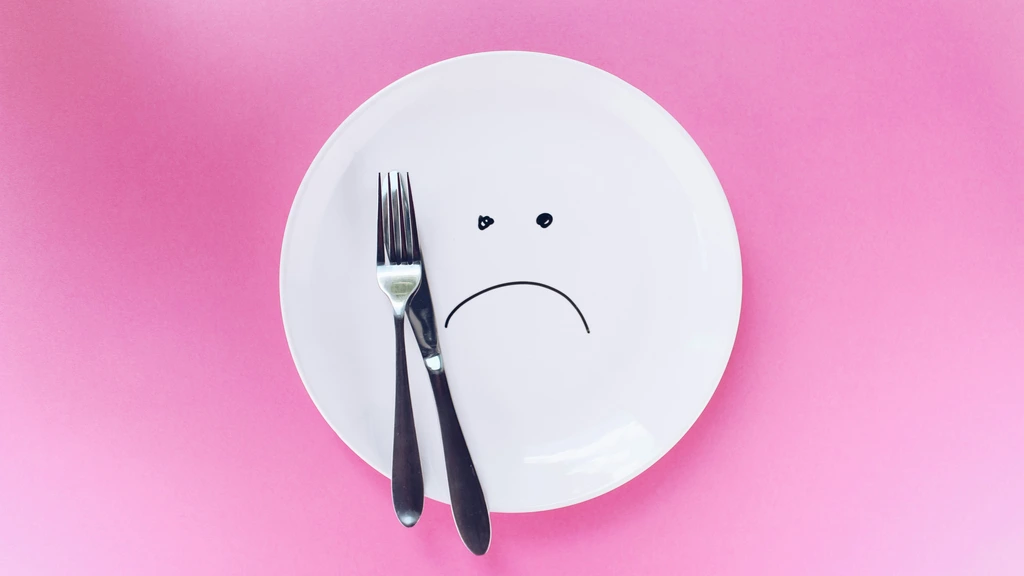
If you’ve ever crushed a workout, nailed your macros, and then found yourself face-first in a bag of chips because life got stressful, you’re not broken. You’re human. Emotional eating is one of the biggest speed bumps on the fat-loss road, and it can hit even the most disciplined lifters hard. The good news? You can absolutely learn to take the wheel again, build better habits, and keep your progress moving.
What emotional eating really is
Emotional eating happens when food becomes the answer to feelings instead of hunger. Stress, boredom, loneliness, frustration, anxiety, even celebration can all trigger the urge to eat. That doesn’t mean you lack willpower. It means your brain has learned to connect certain emotions with food reward. The mission is not to shame that pattern — it’s to spot it, understand it, and replace it with something that actually supports your goals.
Real hunger shows up in the body. Emotional hunger usually shows up fast and loud. It can feel urgent, highly specific, and hard to satisfy. You might want a certain texture or flavor, like salty, crunchy, or sweet, and you might keep eating even when you’re physically full. That’s a clue that the driver isn’t your stomach — it’s your mood.
Why it messes with weight loss
Fat loss is already a math game: calories in, calories out. Emotional eating sneaks extra calories in through the back door, often without you even noticing how quickly they stack up. One random snack at night turns into a second dinner. A rough workday turns into stress eating for three days straight. The scale stalls, motivation dips, and suddenly you feel like your plan is broken.
Here’s the truth: your plan is not broken. The system just needs better guardrails. Once you know your triggers, you can build a setup that makes the healthy choice the easy choice. That is how you get control back and keep your cut on track.
Step one: identify your triggers
You cannot defeat what you refuse to name. Start paying attention to the moments when you reach for food without being truly hungry. Ask yourself a few quick questions:
- What emotion was I feeling right before I wanted to eat?
- What happened in the hour before the craving hit?
- Was I actually hungry, or just tired, stressed, bored, or overwhelmed?
- What foods do I turn to most often when I’m emotional?
Keep it simple. You do not need a therapy journal with a gold seal on it. A notes app works fine. Track patterns for a week or two and you will start seeing the same triggers repeat. Maybe it’s late-night scrolling. Maybe it’s post-meeting stress. Maybe it’s that “I deserve a treat” mindset after a brutal day. Once you spot the pattern, you can start changing the playbook.
Step two: build a pause between urge and action
Emotional eating thrives on autopilot. The goal is to create a small pause before you reach for food. That pause is where control lives. Try the 10-minute rule: when the urge hits, wait ten minutes before eating. During that time, do something else that helps regulate your state. Walk around the block, drink water, breathe deeply, stretch, text a friend, or knock out a quick set of push-ups if you need to get the energy moving.
You’re not trying to “white-knuckle” the craving into submission. You’re giving your brain a chance to reset. Sometimes the craving fades. Sometimes you still choose to eat, but now it’s a conscious decision instead of a reflex. That is a massive win.
Step three: don’t diet like a maniac
One of the fastest ways to trigger emotional eating is to run your diet too hard. If you slash calories too aggressively, cut out every favorite food, and walk around feeling deprived, your brain will eventually push back. Hard. A sustainable fat-loss plan should still let you live like a person.
Keep your meals balanced and satisfying. Protein is king here. It helps with fullness, supports muscle retention, and keeps you from feeling like a bottomless pit by 8 p.m. Pair protein with high-fiber carbs and some healthy fats, and your meals will hit way harder in terms of satiety.
- Protein: chicken, Greek yogurt, eggs, tuna, lean beef, tofu, protein shakes
- Fiber: vegetables, berries, oats, beans, potatoes, whole grains
- Fats: avocado, nuts, olive oil, salmon, nut butter
Also, plan for foods you actually enjoy. If you love chocolate, include a portion instead of pretending it doesn’t exist. A controlled, intentional treat is way less dangerous than a full-blown binge after days of restriction.
Step four: sleep like it matters, because it does
Sleep deprivation is basically a cheat code for cravings. When you’re tired, your hunger hormones get weird, your impulse control drops, and your brain starts screaming for quick energy. That often means sugar, salt, and high-calorie snacks. If you’re regularly sleeping six hours or less, emotional eating will be harder to control.
Protect your sleep like you protect your leg day. Aim for a consistent bedtime, cut back on late-night doom scrolling, and create a wind-down routine that tells your body it’s time to recover. Better sleep means better recovery, better training, and way more discipline around food.
Step five: find non-food stress relief
Food is convenient, but it is not the only way to regulate stress. Build a toolbox of go-to options that can take the edge off without wrecking your calorie target.
- Go for a 10 to 20 minute walk
- Lift weights or do a short bodyweight circuit
- Listen to music or a podcast
- Take a shower or change into comfortable clothes
- Practice deep breathing for two minutes
- Write down what is actually bothering you
- Call or text someone you trust
The point is not to become a monk. The point is to teach your brain that stress can be handled without instantly raiding the pantry. The more often you practice this, the stronger that new habit gets.
Step six: make your environment work for you
Willpower is cool, but environment wins. If your kitchen is loaded with trigger foods in giant packages, emotional eating becomes way easier. You do not need to live in a sterile meal-prep bunker, but you should make impulsive overeating less convenient.
Try these moves:
- Pre-portion snacks instead of eating from the bag
- Keep high-protein foods visible and ready to grab
- Store trigger foods out of sight or buy smaller portions
- Don’t shop hungry
- Plan your meals before the day gets chaotic
This is not about banning everything fun. It is about reducing friction for the choices that move you toward the physique you want.
Step seven: stop labeling food as good or bad
When you give food moral labels, you set yourself up for guilt. “Good” and “bad” food thinking often leads to the all-or-nothing trap: you eat one cookie, decide the day is ruined, and then go full send on a binge. That mindset is a progress killer.
Food is food. Some choices are more nutrient-dense and more supportive of your goals, but no single meal defines your success. If you have a high-calorie snack, you have not failed. You just need to get back on plan at the next meal. No drama. No meltdown. Just back to the grind.
Step eight: use structure to reduce decision fatigue
Decision fatigue is real. The more choices you have to make when you are tired, stressed, or emotional, the more likely you are to grab whatever is easiest. Structure helps. Repeating a few staple breakfasts, lunches, and snacks can make fat loss feel way smoother.
For example, you might build your day around:
- A protein-heavy breakfast
- A filling lunch with lean protein and veggies
- A planned afternoon snack
- A satisfying dinner with enough carbs to keep cravings down
When meals are predictable, you spend less mental energy deciding what to eat and more energy training hard, recovering well, and staying consistent.
When to ask for more support
If emotional eating feels intense, frequent, or out of control, it might be bigger than a simple habit issue. If you’re often binge eating, hiding food behavior, or feeling a lot of shame around eating, talking to a registered dietitian or therapist can be a game changer. That is not weakness. That is smart. Getting help is part of leveling up.
There is real strength in saying, “I want to handle this better.” The strongest lifters are not the ones who never struggle. They are the ones who adjust, learn, and keep showing up when things get messy.
Build the kind of discipline that lasts
Genuine weight loss success is not about being perfect. It is about building a system that keeps you steady when emotions show up and life gets loud. You do not need to win every craving battle. You just need to stack enough good reps to move in the right direction. That means eating enough protein, sleeping enough, training consistently, and learning to pause before reacting to stress with food.
The more you practice awareness, structure, and self-control, the less power emotional eating has over you. That is how you go from feeling out of control to feeling locked in. And that locked-in version of you? That’s the one who keeps the gains, drops the fat, and stays in the game for the long haul.









Discussion about this post