


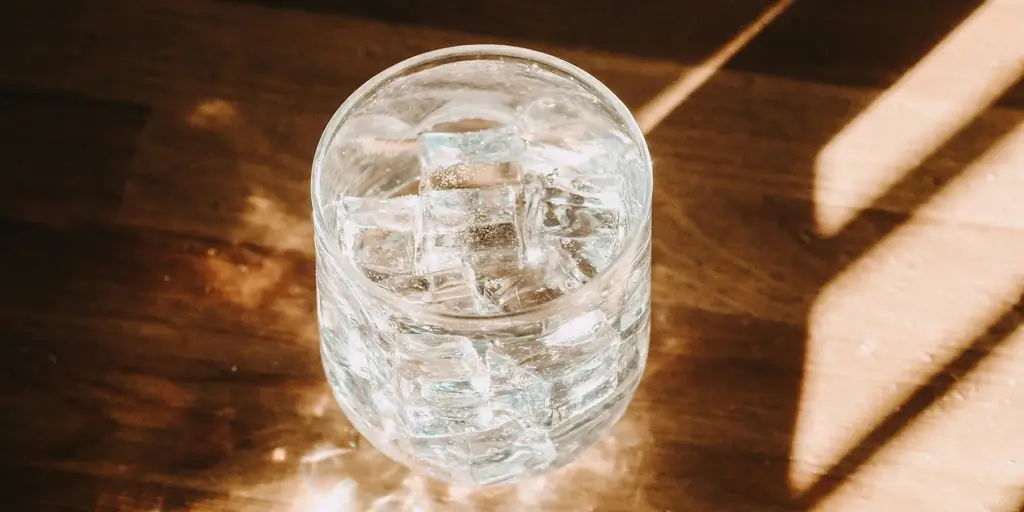
Cold water can feel refreshing, especially after a hard workout or on a hot day. For most healthy people, drinking chilled water is generally safe. But if you regularly gulp down very cold water without thinking about timing, temperature, or how your body responds, it can sometimes create discomfort and, in certain situations, a few practical drawbacks worth understanding.
What happens when you drink very cold water
When water is extremely cold, your body has to warm it before it can be used efficiently. That process is not dangerous by itself, but it can cause a noticeable reaction in some people. The blood vessels in the mouth and upper digestive tract may constrict slightly, and that can trigger a brief sensation of tightness or even a mild headache in sensitive individuals.
Some people also notice that very cold water feels harder to swallow, especially during or after intense exercise. If your breathing is elevated and your throat is dry, an icy drink can feel abrupt rather than soothing. From a performance standpoint, the goal is not to avoid cold water entirely, but to choose a temperature that helps you hydrate consistently.
Possible digestive discomfort
One of the most commonly reported issues with very cold water is stomach discomfort. If you drink a large amount quickly, the sudden temperature change may cause cramping, bloating, or a sloshy feeling in the stomach. This is more likely to happen when you are already sensitive to digestive upset, such as right before training, during travel, or after a heavy meal.
For some people, extremely cold water can also make the digestive tract feel temporarily sluggish. That does not mean it damages digestion, but if you are trying to eat a pre-workout meal or recover after exercise, comfort matters. Hydration should support performance, not distract from it.
Throat and tooth sensitivity
If you have sensitive teeth, gum irritation, or a history of throat sensitivity, icy water may cause a sharp, unpleasant sensation. In some cases, cold drinks can trigger pain in teeth with exposed roots or enamel wear. This is not a reason to avoid hydration, but it is a good reason to listen to your body and choose a more moderate temperature.
People who are prone to sore throats may also prefer water that is cool rather than ice-cold. The issue is usually comfort, not harm. Still, if a temperature consistently causes discomfort, that is useful feedback. A smart approach is to remove friction from healthy habits so you are more likely to maintain them long term.
Can cold water affect exercise performance?
In many cases, cold water is actually helpful during exercise because it can improve perceived refreshment and make hydration more appealing. However, very cold water taken in large quantities during high-intensity exercise may cause a stomach “shock” sensation for some athletes. That can interfere with comfort and, in rare cases, make it harder to keep moving smoothly.
If you are training for endurance, strength, or general fitness, the best hydration strategy is the one you can tolerate consistently. A practical rule is to sip regularly rather than chugging large amounts all at once. If you know your stomach is sensitive, try water that is cool, not icy, and see whether your training feels better.
Who should be more cautious
- People with sensitive teeth who experience pain with cold temperatures
- Anyone with acid reflux or digestive sensitivity who notices symptoms after icy drinks
- Athletes prone to stomach cramping during hard training
- People recovering from illness if cold liquids feel irritating
If you fall into one of these groups, the solution is usually simple: use a water temperature that feels comfortable and easy to drink. Hydration should be sustainable, not a test of toughness.
Better hydration habits
From a fitness and wellness perspective, the real priority is total fluid intake across the day. Temperature is secondary to consistency. If cold water helps you drink more, that is a benefit. If it causes discomfort, choose room-temperature or lightly chilled water instead.
Here are a few practical habits that support better hydration:
- Drink steadily throughout the day instead of waiting until you are very thirsty
- Adjust temperature based on comfort, workout intensity, and digestive tolerance
- Use smaller sips during exercise rather than large gulps
- Pay attention to tooth, throat, or stomach sensitivity
- Match your habits to your goals so hydration becomes automatic
The takeaway is straightforward: drinking water that is too cold is usually not dangerous for healthy people, but it can create discomfort for some. The best choice is the one that keeps you hydrated, comfortable, and consistent. If you want better performance, better recovery, and better day-to-day energy, focus less on extreme temperature and more on regular, smart hydration habits.










Discussion about this post