


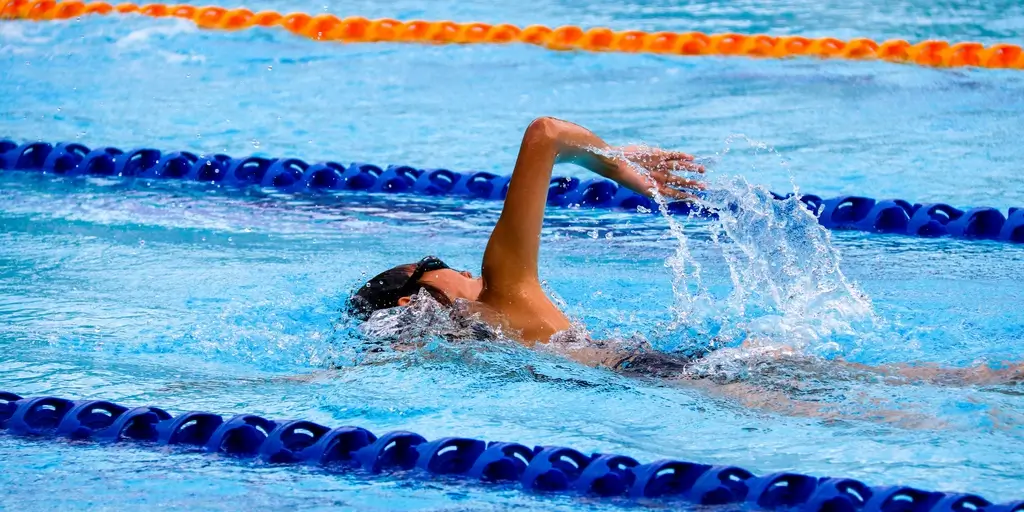
Summer swimming should feel smooth, efficient, and refreshing—not like a full-body struggle. Whether you swim for fitness, recovery, or fun, small technique errors can quickly turn into wasted energy, slower laps, and unnecessary fatigue. The good news is that most common swimming mistakes are fixable with a few focused cues and a bit of consistent practice.
As a coach, I like to remind swimmers that better technique is not about looking perfect. It is about moving through the water with less resistance, better timing, and more control. If you can improve one habit at a time, you will often see immediate gains in speed, endurance, and comfort in the pool.
1. Holding your breath instead of breathing continuously
One of the biggest mistakes swimmers make is treating breathing like a pause instead of a rhythm. Many beginners and recreational swimmers hold their breath underwater, then rush to gasp for air. That pattern increases tension in the neck, shoulders, and face, and it usually causes your body to lose its natural line in the water.
What to correct: Exhale steadily underwater and take a quick, relaxed breath when you turn to breathe. Think of breathing as a continuous cycle rather than a separate event. A smooth exhale helps reduce panic, improves timing, and keeps your stroke more relaxed.
Try this cue: “Bubble, bubble, breathe.” Start exhaling as soon as your face returns to the water, then rotate efficiently to inhale.
Trainer tip: If you are working on freestyle, do not force your head up to breathe. Keep one goggle in the water and turn with your body, not just your neck. That small adjustment can dramatically improve alignment and reduce drag.
2. Crossing over in front of your body
Another common issue is crossing the hand over the center line during the entry and catch phase of the stroke. When your hand enters too close to the middle, your body often snakes side to side, which wastes energy and makes your stroke less stable.
What to correct: Aim for a clean entry in line with your shoulder, not your nose. Your hand should extend forward without crossing over the center line. This helps you create a straighter pull and more efficient propulsion.
Why it matters: Crossing over can strain the shoulder, reduce balance, and make it harder to maintain a strong catch. Over time, it may also limit how effectively you engage the lats and upper back.
Try this cue: Imagine you are reaching into a lane directly in front of your shoulder, not across your body. If needed, slow your stroke down and focus on precision before speed.
Coach tip: A few controlled drills can help here, such as fingertip drag or single-arm freestyle. Use them to reinforce a straight entry path and improved body awareness.
3. Kicking too hard or from the knees
Many swimmers assume a powerful kick means moving the legs harder. In reality, an inefficient kick often comes from bending too much at the knees or kicking from the lower leg only. That creates extra drag and can leave your quads burning long before your cardiovascular system is challenged.
What to correct: Let the kick originate from the hips with relaxed ankles and a small, fast flutter. Your legs should stay close to the surface, with just enough movement to stabilize the body and support forward momentum.
Why it matters: A clean kick improves balance and body position. If you kick too aggressively, you may lift too much water behind you instead of driving forward. If you kick from the knees, you often create a bicycle-like motion that slows you down.
Try this cue: Think “small and quick, not big and forceful.” If your legs are splashing excessively, reduce the amplitude and focus on rhythm.
Helpful drill: Kick on your side with a board or fins, keeping the movement compact and controlled. This can help you feel the difference between hip-driven motion and knee-dominant kicking.
4. Dropping your hips and losing body position
If your hips sink, your body position becomes less streamlined and swimming feels much harder. This is one of the most expensive mistakes in the pool because it increases drag every second you are moving. It often happens when swimmers look forward too much, fatigue sets in, or the core is not engaged.
What to correct: Keep your head neutral, your gaze slightly downward, and your core gently braced. A long, horizontal body line helps you ride higher in the water and reduces resistance.
Why it matters: When the hips drop, the legs act like an anchor. You then need more effort from the arms and kick just to stay afloat. Better alignment means you can conserve energy and maintain pace longer.
Try this cue: Imagine a string pulling the top of your head forward while your heels stay near the surface. You want length through the spine, not a broken posture at the waist.
Coach tip: If you notice your hips sinking late in a set, check whether your stroke rate is too slow or your breathing is disrupting your position. Sometimes a slight increase in turnover can help you maintain better body line.
5. Trying to swim hard instead of swimming efficiently
This is the mistake I see most often in recreational swimmers: they assume faster means stronger. In truth, speed in swimming usually comes from efficiency first, then power. If your technique is messy, working harder just magnifies the problem. You may finish exhausted without actually becoming faster.
What to correct: Focus on clean mechanics, consistent timing, and gradual progression. Build your fitness with structure instead of just pushing to the wall as hard as possible every length.
Why it matters: Efficient swimmers conserve energy between strokes, maintain better rhythm, and recover faster between efforts. That allows for more total quality work across a session, which is what drives progress.
Try this approach: Use a simple training pattern such as easy, moderate, hard. For example, swim one length with perfect technique, the next at a comfortable steady pace, and the third with controlled effort. This teaches you how to keep form under increasing intensity.
Trainer tip: Track one variable at a time, such as stroke count, lap time, or how relaxed your breathing feels. Improvement becomes much easier to notice when you are not trying to fix everything at once.
How to make real progress this summer
The fastest way to improve is not to overhaul your entire stroke in one session. It is to identify the mistake that costs you the most energy and correct that first. Pick one cue, practice it consistently, and give your nervous system time to adapt. Swimming is a skill as much as it is a workout, and skills improve through repetition with intention.
If you want better results this summer, keep your training simple and measurable:
- Choose one technique focus per session.
- Use short drills before full swims.
- Rest enough to maintain good form.
- Progress gradually instead of chasing fatigue.
- Film your stroke or get feedback when possible.
Most importantly, be patient with yourself. Small corrections can create big changes in the water, especially when you practice them regularly. A more efficient stroke means less strain, better endurance, and more enjoyment every time you swim. This summer, aim to move better first, and faster second. That is how lasting progress is built.






Discussion about this post