


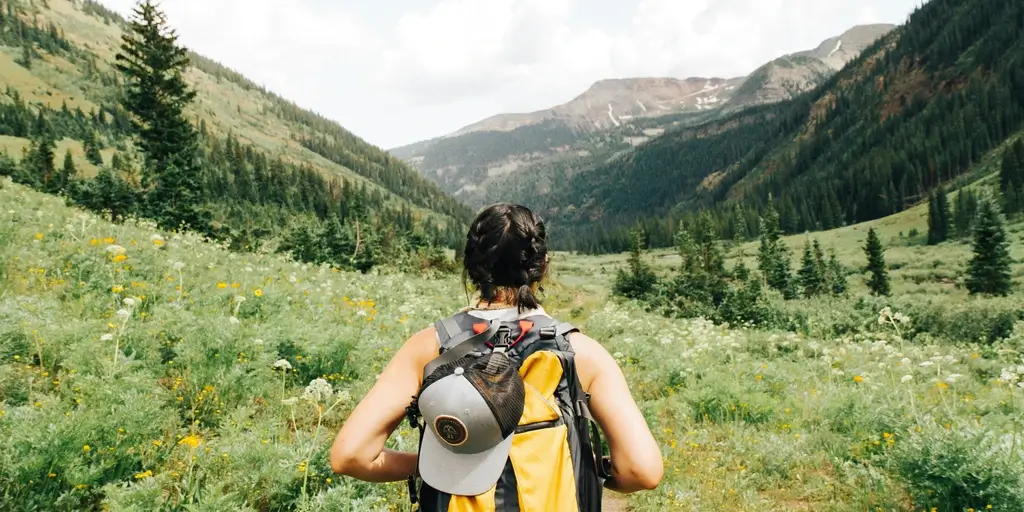
Autumn is the perfect season to rethink what a good walk looks like. The air is cooler, the trails are quieter, and the pressure to “push harder” starts to feel less appealing than moving with purpose. That is where soft hiking fits in: a gentler, more mindful style of trail time that prioritises enjoyment, recovery, and consistency over intensity and distance.
As a trainer, I like soft hiking because it removes the all-or-nothing mindset that can make outdoor exercise feel intimidating. You are still getting the benefits of movement, fresh air, and terrain variation, but without turning every outing into a test of fitness. For many people, that makes it easier to show up regularly, which is where the real progress happens.
What soft hiking actually means
Soft hiking is not a formal training method with strict rules. Think of it as hiking at a pace and intensity that feels sustainable, restorative, and pleasant. You may choose shorter routes, flatter trails, more frequent pauses, or a slower pace that lets you notice the scenery. The goal is to finish feeling better than when you started, not depleted.
This style of walking is especially useful if you are rebuilding fitness, managing stress, returning from a break, or simply looking for a lower-impact way to stay active. It can also complement more demanding exercise sessions. A soft hike on a rest day can support circulation, ease stiffness, and help you recover without adding unnecessary strain.
The fitness benefits are real
Do not mistake “soft” for “ineffective.” Even at a relaxed pace, hiking can improve cardiovascular endurance, strengthen the lower body, and support joint mobility. Uneven ground challenges your ankles, calves, and stabilising muscles in a way that flat indoor walking often does not. If you include hills, even modest ones, your glutes and hamstrings will get a solid but manageable workload.
There is also a mental health angle that should not be overlooked. Time outdoors can reduce perceived stress, improve mood, and create a welcome break from screens and schedules. Soft hiking often feels easier to commit to because it does not demand peak energy, perfect weather, or a performance mindset. That consistency is powerful.
How to pace yourself properly
The best guide for soft hiking is the talk test. You should be able to speak in full sentences without gasping. If you can only manage a few words at a time, the effort is likely too high for a soft hike. Aim for a steady, conversational pace that leaves room to enjoy the walk.
It also helps to think in terms of effort rating. On a scale of 1 to 10, soft hiking usually sits around a 3 to 5. You should feel warm and lightly challenged, but not strained. If you are using a smartwatch or heart-rate monitor, keep in mind that numbers are only part of the picture. How you feel matters just as much.
On the trail, resist the urge to chase distance or elevation just because the route looks appealing. Some days, the smartest training decision is to keep things short and easy. That is not laziness; it is smart load management.
What to wear and carry
Autumn hiking can be unpredictable, so layering is your friend. Start with a moisture-wicking base layer, add a light insulating layer, and finish with a wind- or water-resistant outer layer if needed. The aim is to stay comfortable without overheating. If you get warm quickly, choose layers you can remove easily.
Footwear matters too. You do not necessarily need heavy boots for soft hiking, but you do want shoes with adequate grip, support, and comfort for the terrain. Pay attention to fit, especially if you are wearing thicker socks in cooler weather. Blisters can ruin an otherwise restorative outing.
As for gear, keep it simple: water, a phone, a small snack if you will be out longer than an hour, and perhaps a hat or gloves depending on the temperature. If you are heading into rural areas or less familiar routes, a map or offline navigation app is a sensible addition. Soft hiking should feel relaxed, not careless.
Make the trail work for your body
One reason people love soft hiking is that it can be adapted to different fitness levels and needs. If you are new to exercise, choose flat or gently rolling terrain and keep the first few outings short. If you are already active, use soft hikes as recovery sessions between strength workouts or higher-intensity cardio days.
If you have knee, hip, or lower-back issues, shorter steps and controlled descents can make a big difference. Avoid rushing downhill, as that is where many hikers overload their joints. Keep your torso tall, engage your core lightly, and place each foot deliberately. Small adjustments in mechanics can improve comfort and reduce strain.
For anyone returning after illness, injury, or a long inactive period, soft hiking is a practical bridge back to regular movement. It allows you to build tolerance without jumping straight into demanding workouts. Progress should feel gradual. Increase duration, elevation, or frequency one variable at a time so your body can adapt.
How to build a soft hiking routine
Consistency beats intensity when your goal is long-term health. A realistic starting point might be two to three soft hikes per week, each lasting 30 to 60 minutes. If that feels easy after a few weeks, extend one outing or add a slightly hillier route. The key is to progress slowly enough that you finish each session feeling capable of doing a little more next time.
You can also pair soft hiking with simple mobility work. A five-minute ankle, hip, and thoracic mobility routine before heading out can make walking feel smoother. After the hike, a few gentle calf stretches and deep breaths can help bring your body back down to baseline. These small habits improve the overall experience and support recovery.
If you enjoy structure, you might use soft hiking as part of a weekly plan: one moderate strength session, one cardio session, and one or two soft hikes. That combination supports fitness without excessive fatigue. It is especially helpful for people who want to stay active during the autumn and winter months without burning out.
Turning the outing into a mindful reset
Soft hiking is as much about attention as it is about movement. Try walking without music for part of the route and notice the sound of leaves underfoot, the cooler air on your skin, or the way your breathing changes as you climb a gentle hill. This is not about forcing mindfulness; it is about creating space for it.
If your mind tends to race, use the hike as a chance to practice simple focus. Count ten breaths, observe five things you can see, or check in with your posture every few minutes. Keep your shoulders relaxed, your jaw unclenched, and your stride natural. These cues help you stay present without overcomplicating the walk.
Soft hiking can also be social without becoming stressful. Invite a friend who enjoys conversation more than competition. The right companion will make the time feel easier and more enjoyable, and you will likely leave with both better mood and better adherence to your movement routine.
Why autumn is the ideal season
There is a reason soft hiking resonates so strongly in autumn. The weather encourages a steadier pace, the scenery offers its own reward, and the season naturally invites reflection and reset. After a busy summer or a demanding training block, a slower style of walking can help you reconnect with your body and your environment.
Remember, fitness does not always need to be loud, sweaty, or exhausting to be valuable. Sometimes the most effective session is the one you can repeat next week and the week after that. Soft hiking gives you a way to build endurance, protect recovery, and enjoy the outdoors with less pressure and more presence. That balance is what makes it sustainable.
Practical takeaway: choose a trail that feels approachable, keep the pace conversational, dress for changing weather, and leave room to enjoy the walk. If you finish feeling calmer, looser, and more willing to do it again, you have done soft hiking exactly right.







Discussion about this post