


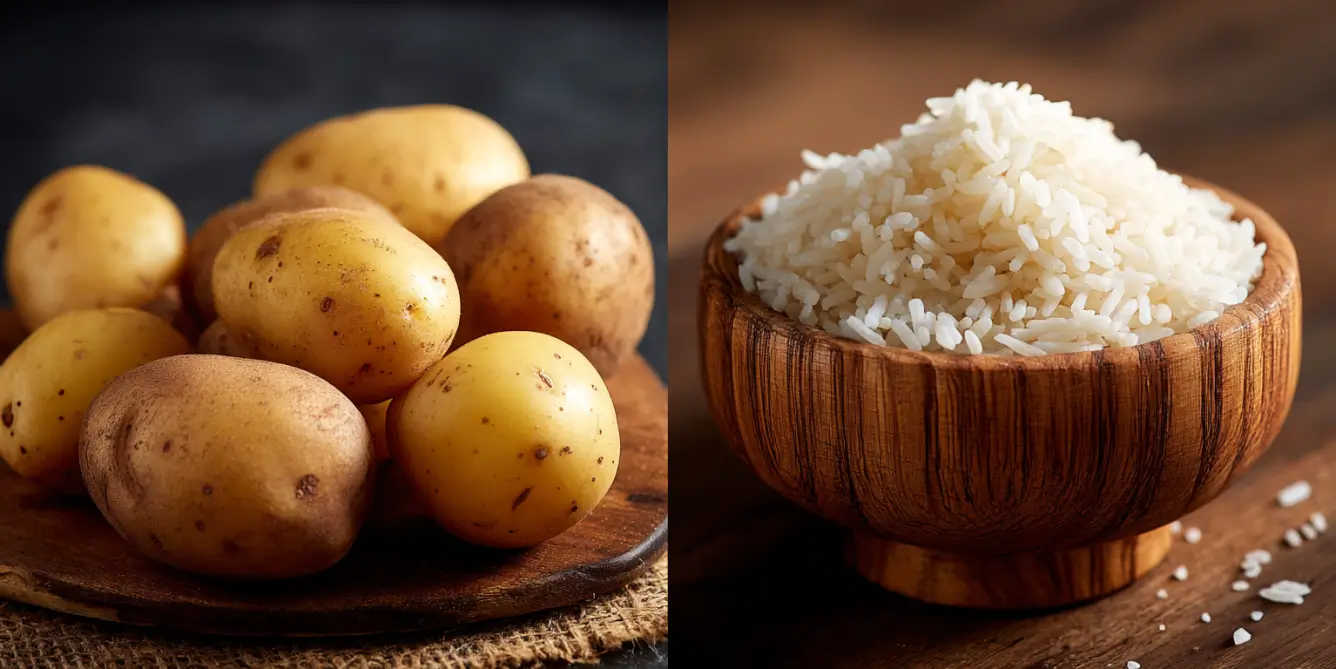
When it comes to choosing between potatoes and rice, understanding their nutritional content is key. Both of these staples offer distinct profiles that can complement a balanced diet. Potatoes are rich in vitamin C, potassium, and fiber, while rice, particularly brown rice, is a good source of magnesium, phosphorus, and B vitamins. A medium-sized potato contains about 110 calories and less than 0.1 grams of fat, making it a low-calorie choice. On the other hand, a cup of cooked brown rice delivers around 218 calories and around 1.6 grams of fat.
Carbohydrates make up most of both foods, with a potato offering about 26 grams per serving and a cup of rice about 45 grams. Fiber also differs: a potato has around 3 grams, brown rice offers similar amounts, and white rice contains much less.
Cooking Versatility and Taste
Potatoes and rice are cherished globally for their versatility. Potatoes can be baked, boiled, mashed, roasted, or fried, offering a vast array of textures and flavors depending on their preparation. They absorb flavors and spices beautifully, making them suitable for a myriad of cuisines.
Rice, with its multitude of varieties such as basmati, jasmine, arborio, and more, equally invites culinary creativity. It can be steamed, boiled, or stir-fried, and it forms the base of iconic dishes such as risotto, paella, and sushi. Each type of rice has its unique aroma and taste, adapting seamlessly to both sweet and savory dishes.
Impact on Satiety and Glycemic Index
When selecting a carbohydrate source, considering how full it will keep you is important. Potatoes rank high on the satiety index, meaning they are likely to leave you feeling fuller longer compared to rice, which might reduce the temptation for snacking later. This makes them an ideal component in meals for those looking to manage their weight or reduce caloric intake.
Looking at the glycemic index (GI), which measures how quickly foods raise blood glucose levels, potatoes generally have a higher GI than rice. This means they cause a rapid spike in blood sugar. However, the GI can vary depending on how the potato or rice is cooked and the specific type, with colder mashed potatoes having a lower GI due to resistant starch formation.
Environmental and Economic Considerations
Beyond nutrition and taste, environmental and economic factors might also influence the choice between potatoes and rice. Farmers typically grow potatoes with less water and in less time than rice, which they cultivate in paddies under specific conditions. Therefore, choosing potatoes might be more sustainable in terms of water usage. Economically, both crops are widely available and affordable, though trends can vary based on regional availability and agricultural practices.
Allergies and Special Diets
Both potatoes and rice fit gluten-free diets, important for people with celiac disease or gluten sensitivity. However, those with nightshade sensitivities may need to avoid potatoes, while such issues are less common with rice.
Potatoes and rice each bring valuable options to meal planning. Deciding which to feature more prominently can depend on personal health goals, taste preferences, and lifestyle considerations. Whether you choose the comforting warmth of a baked potato or the aromatic allure of a rice dish, each can play a delicious role in your nutrition.









Discussion about this post