


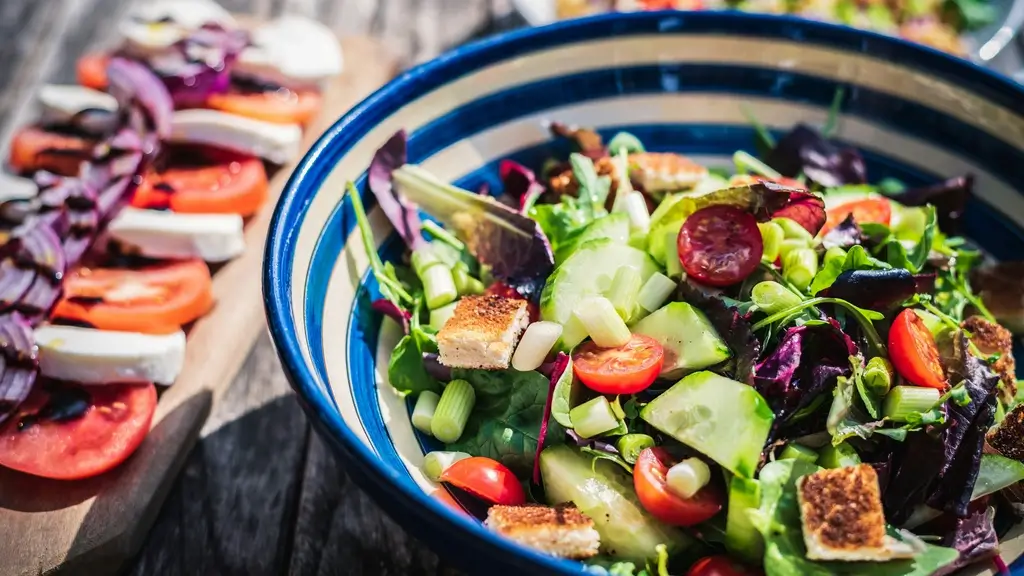
The Mediterranean diet is hailed as one of the world’s healthiest eating plans. It’s not just about food; it’s a wholesome lifestyle that emphasizes the flavors and traditional cooking styles of countries bordering the Mediterranean Sea. Let’s dive into the specifics of what you should include in your Mediterranean diet, what to avoid, and a sample weekly menu to get you started on this nutritious journey.
What to Eat
Central to the Mediterranean diet is an abundance of fresh vegetables, fruits, whole grains, and healthy fats. Here’s a detailed breakdown:
- Vegetables: Consume a wide variety of vegetables such as tomatoes, cucumbers, spinach, kale, broccoli, and bell peppers. Aim for at least two servings of vegetables per meal.
- Fruits: Seasonal fruits like berries, oranges, apples, bananas, and grapes are staples. Dried fruits, such as figs and dates, are also a sweet alternative.
- Whole Grains: Opt for whole grains such as oats, brown rice, bulgur, farro, barley, and quinoa. Avoid refined grains and choose whole grain options to enhance fiber intake.
- Healthy Fats: Olive oil is paramount in this diet. It’s used as a primary fat source. Incorporate nuts, seeds, and avocados for additional healthy fats.
- Fish & Seafood: Eat fish like salmon, mackerel, and sardines at least twice a week. They are rich in omega-3 fatty acids crucial for heart health.
- Legumes: Beans, lentils, and chickpeas should be part of your meals regularly for plant-based protein and fibers.
- Dairy: Opt for moderate amounts of cheese and yogurt, preferably from sheep or goat milk.
- Herbs & Spices: Enhance flavors with herbs like oregano, rosemary, basil, and spices like turmeric and cumin instead of relying on salt.
What to Avoid
While the Mediterranean diet encourages wholesome eating, certain foods should be minimized:
- Processed Foods: Minimize intake of processed and packaged foods which are high in unhealthy fats and added sugars.
- Added Sugars: Limit consumption of sugary beverages, candies, pastries, and high-sugar desserts.
- Refined Grains: Bread and pasta made from refined flour, rather than whole grains, should be limited.
- Red Meat: Consume sparingly. When eating red meat, select lean cuts and limit to once a week.
- Trans Fats: Found in margarine and various processed snacks, try to avoid these completely.
- High-Sodium Foods: Cut back on high-sodium processed meats like bacon or sausages, and avoid excessive salt in cooking.
Sample Weekly Menu
To help you get started, here is a sample weekly menu designed around the Mediterranean diet:
Monday
– Breakfast: Greek yogurt with mixed berries and a handful of almonds.
– Lunch: Lentil salad with chopped vegetables and a drizzle of olive oil.
– Dinner: Grilled salmon with quinoa and steamed spinach.
Tuesday
– Breakfast: Oatmeal topped with sliced bananas and walnuts.
– Lunch: Whole grain pita filled with hummus, cucumber, and bell peppers.
– Dinner: Vegetable and chickpea stew with a side of whole grain bread.
Wednesday
– Breakfast: Fresh fruit salad and a soft-boiled egg.
– Lunch: Tuna salad with mixed greens and olives.
– Dinner: Grilled chicken with roasted Brussels sprouts and sweet potatoes.
Thursday
– Breakfast: Smoothie with spinach, apple, and avocado.
– Lunch: Farro salad with tomatoes, feta cheese, and arugula.
– Dinner: Baked sea bass with garlic, lemon, and fresh herbs.
Friday
– Breakfast: Whole grain toast with avocado and tomato.
– Lunch: Quinoa tabbouleh with parsley and mint.
– Dinner: Margherita pizza with a whole wheat or cauliflower crust.
Saturday
– Breakfast: Ricotta cheese on whole grain toast with fresh figs.
– Lunch: Greek salad with cucumbers, tomatoes, olives, and feta cheese.
– Dinner: Shrimp pasta with a light olive oil and garlic sauce.
Sunday
– Breakfast: Smoothie bowl with mixed berries and granola.
– Lunch: Minestrone soup with kale and cannellini beans.
– Dinner: Grilled lamb chops with roasted eggplant and a side of couscous.
It’s clear that the Mediterranean diet celebrates both variety and balance. By emphasizing fresh, vibrant ingredients and heart-healthy fats, you can savor flavorful meals while supporting better health.










Discussion about this post