


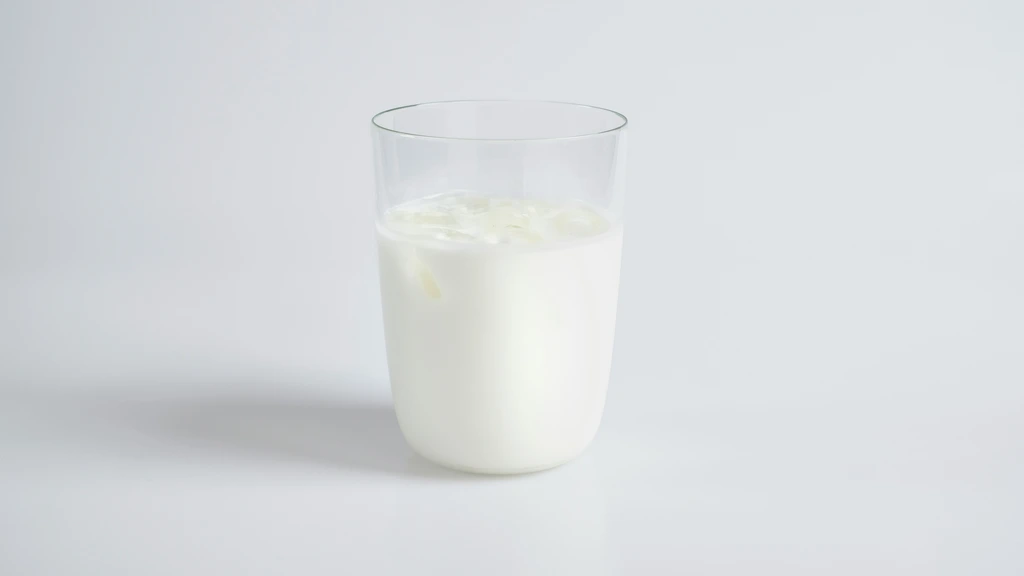
For decades, dietary guidelines have promoted low-fat dairy products as a healthier choice. However, recent studies have sparked a debate over whether whole milk might actually be the better option. Let’s explore the potential benefits and considerations of each to understand which might be more suitable for you.
Nutritional Differences
Whole milk contains about 3.25% milk fat, while low-fat milk typically ranges from 0.5% to 2% milk fat. The primary difference lies in the calorie and fat content. For example, a cup of whole milk contains approximately 150 calories and 8 grams of fat, whereas a cup of 1% low-fat milk has roughly 100 calories and 2.5 grams of fat. This suggests that if you’re looking to reduce calorie or fat intake, low-fat milk might seem like the logical choice.
The Case for Whole Milk
1. Satiety and Weight Management: Some studies indicate that the increased fat content in whole milk may help with satiety, meaning you feel full longer. This could potentially lead to decreased overall caloric intake throughout the day, contributing to better weight management.
2. Nutrient Absorption: The fat in whole milk can enhance the absorption of fat-soluble vitamins, such as A, D, E, and K. This is particularly significant with vitamin D, as it is crucial for bone health.
The Argument for Low-Fat Milk
1. Lower Caloric Intake: For individuals focusing on reducing calorie intake, low-fat milk provides the familiar taste and nutrients of milk but with fewer calories, making it an appealing choice for those mindful of their energy balance.
2. Heart Health Concerns: Traditionally, a high intake of saturated fats, found in whole milk, has been linked to increased LDL (bad) cholesterol levels, which could raise the risk of heart disease. Choosing low-fat milk may be more aligned with heart-healthy dietary patterns.
Recent Research and Health Perspectives
Recent research has challenged the long-standing notion that low-fat is inherently better. Several studies found no significant link between whole milk consumption and increased risk of heart disease or obesity. In fact, in certain populations, full-fat dairy consumption has been associated with a lower risk of metabolic syndrome, a cluster of conditions that increase heart disease risk.
- A study published in the American Journal of Clinical Nutrition found that those who consumed full-fat dairy had lower rates of obesity compared to their low-fat counterparts.
- Another study in the European Journal of Nutrition suggested no conclusive evidence that low-fat diets inherently support improved weight management or cardiovascular health.
Individual Preferences and Needs
Choosing between whole and low-fat milk often comes down to personal preference and dietary needs. Here are some considerations:
- Lifestyle and Dietary Patterns: Consider what fits best with your overall diet. If your diet is already high in fats, opting for low-fat milk may help balance your intake.
- Body’s Response: Pay attention to how your body responds to different types of milk. Some individuals may find they feel more satisfied and energized with whole milk.
- Specific Health Goals: Align your choice with your health objectives, whether they involve calorie reduction, increasing nutrient absorption, or ensuring heart health.
The debate between whole milk and low-fat milk is nuanced, with each type offering unique benefits. While whole milk can aid in satiety and nutrient absorption, low-fat milk may be preferable for those reducing caloric intake or focusing on heart health. Ultimately, the choice should reflect your dietary preferences, nutritional needs, and lifestyle.











Discussion about this post