


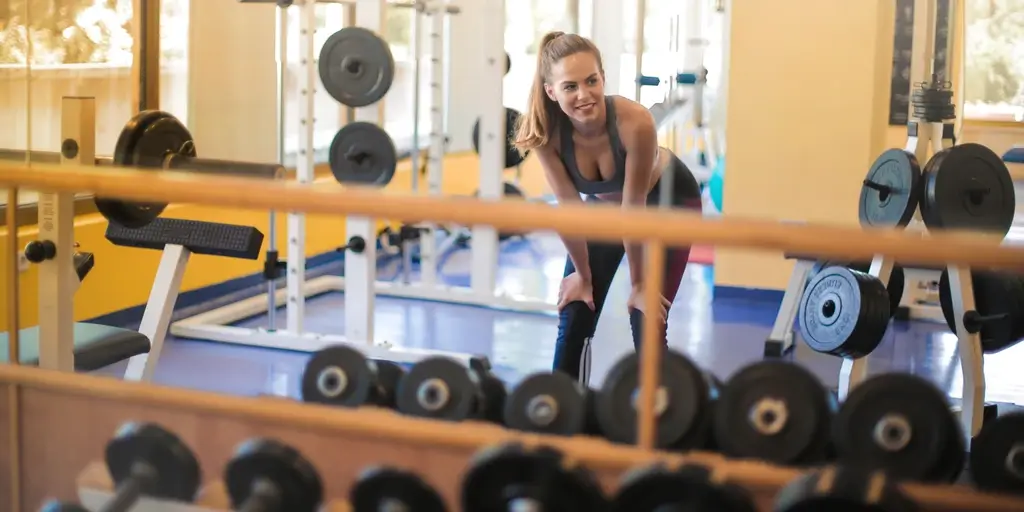
Beginning a fitness journey can feel like standing at the edge of a pool, unsure when to step in. If exercise has been absent from your life for a while, or if movement has never felt like part of your rhythm, your first day may bring up nerves, self-doubt, or even a little resistance. That is okay. You do not need to be fearless to begin. You only need to be willing to take one gentle breath and one small step.
Starting from zero is not a problem to fix. It is simply a starting point. Every body carries a different story, and every story deserves patience. The aim is not to transform everything overnight. The aim is to build trust with your body, your breath, and the process itself.
Let Go of the Idea That You Must Feel Ready
Many people wait for motivation to arrive like a bright morning sun before they begin. But motivation often follows action, not the other way around. You may never feel perfectly ready, and that does not mean you are not prepared enough. A nervous beginning still counts as a beginning.
Try to replace the question “Am I ready?” with “What is one small thing I can do today?” That shift creates space for momentum without pressure. A walk around the block, five minutes of stretching, or a few bodyweight movements in your living room can be more than enough for day one.
When fear shows up, notice it with kindness. You might say to yourself, “This is new, and new can feel uncomfortable. I can move slowly.” Fear often softens when it is met with compassion rather than judgment.
Choose a Goal That Feels Gentle and Realistic
One of the most supportive ways to begin is to make your first goal very small. Not because you lack discipline, but because your nervous system needs safety more than intensity at the start. A goal that feels achievable helps you build consistency, and consistency is what creates confidence.
Here are a few beginner-friendly goals:
- Move for 10 minutes, three times this week
- Take a 15-minute walk after lunch
- Do a beginner video at home once or twice a week
- Practice five minutes of stretching before bed
- Learn three basic exercises and repeat them regularly
Small actions matter. They teach your mind that movement is not a threat. They teach your body that exercise can be safe, steady, and supportive.
Make Your First Workout Familiar and Simple
The first day becomes easier when it feels familiar. You do not need a complicated routine, special equipment, or perfect athletic clothing. Comfort can be more important than performance when you are starting out. Choose a setting that helps you feel calm, whether that is your home, a quiet park, or a simple gym visit during off-peak hours.
If going to a gym feels overwhelming, begin at home. That way, you can learn the basics without the added layer of being seen. If you prefer walking, that counts as exercise. If you like dancing to one song in your kitchen, that counts too. Movement does not need to look a certain way to be valuable.
A simple first workout might include:
- 3 minutes of easy walking or marching in place
- 5 slow bodyweight squats or chair squats
- 5 wall push-ups
- 20 to 30 seconds of gentle stretching
- 1 minute of deep breathing
Keep it light. Your first session is not a test. It is a conversation with your body.
Use Breath to Calm the Mind Before You Begin
When fear rises, the breath can be a steady anchor. Before your workout, pause for a few moments and take several slow breaths. Let the inhale be easy. Let the exhale be long. This simple practice can help you step out of mental noise and into present-moment awareness.
Try this:
- Inhale through the nose for a count of four
- Exhale gently for a count of six
- Repeat five times
As you breathe, soften your shoulders. Relax your jaw. Unclench your hands. Notice where tension lives in your body, and allow it to loosen a little at a time. You do not need to force calm. You are simply creating enough space for calm to visit.
Dress for Comfort, Not Performance
What you wear can affect how safe and settled you feel. Choose clothes that allow you to move and breathe comfortably. You do not need the perfect outfit to exercise. You only need clothing that supports ease rather than distraction.
If body image fears are part of your hesitation, please know that many people feel this way. You are not alone. It can help to remember that your body is not on display for approval. Your body is the home through which you experience your life. Movement is a way of caring for that home.
Sometimes a little preparation can reduce anxiety:
- Lay out your clothes the night before
- Fill a water bottle in advance
- Choose a playlist that feels uplifting or soothing
- Set a simple reminder on your phone
These small acts create a supportive container for your first step.
Expect Awkwardness and Let It Be Part of the Process
Beginning something new often feels awkward. Your body may feel stiff. Your coordination may not match your expectations. You may wonder if others are watching, judging, or somehow doing it better. This is a very human experience.
Awkwardness does not mean you are failing. It means you are learning. Every skill starts with a period of unfamiliarity. The first day is often less about fitness and more about permission: permission to be a beginner, permission to move imperfectly, permission to breathe through uncertainty.
If you feel self-conscious, bring your attention back to sensation. Notice the feeling of your feet on the floor. Notice the rhythm of your breath. Notice the gentle effort in your muscles. These sensory anchors can help you return to yourself when anxious thoughts become loud.
Build Confidence by Tracking Small Wins
Confidence grows when you can see evidence of your effort. After each workout, acknowledge what you did, no matter how small it seems. You showed up. You tried. You honored your body with movement. That matters.
Consider keeping a simple journal or note on your phone. You might record:
- How long you moved
- What you did
- How you felt before and after
- Any moment that felt easier than expected
Over time, these notes can become a quiet source of encouragement. They remind you that progress is often subtle. Sometimes progress looks like less fear, more familiarity, or a kinder inner voice.
Focus on How Exercise Feels, Not How It Looks
For beginners, it is easy to become fixated on appearance-based goals. Yet the deeper gifts of movement often live in the body itself: more energy, steadier mood, better sleep, less stiffness, and a greater sense of grounding. These changes may unfold gradually, but they are meaningful.
Ask yourself after a workout:
- Do I feel a little more awake?
- Do my shoulders feel softer?
- Is my breath easier now than before?
- Do I feel proud that I began?
This kind of reflection helps you connect with the inner experience of exercise. That connection can be more motivating than any external result.
Give Yourself Permission to Go Slowly
There is no prize for starting fast. A sustainable routine is one that respects your current capacity. Some days you may feel ready for more. Other days, a short walk or a few stretches may be enough. Both can be part of a healthy path.
Progress is not always linear. There may be days when you skip a workout, feel discouraged, or need to begin again. Beginning again is not failure. It is practice. It is resilience. It is the quiet courage to return to yourself.
If it helps, create a simple rule for the first month: show up in some small way, even if the workout itself is brief. This approach reduces pressure and makes consistency more likely. Remember, you are not trying to prove anything. You are learning how to care for your body in a way that feels sustainable.
A Gentle First-Day Plan You Can Actually Use
If you want something concrete, here is a simple plan for your first workout:
- Put on comfortable clothes and fill a water bottle.
- Take three slow breaths before you begin.
- Walk in place or around your home for three minutes.
- Do five chair squats, five wall push-ups, and five gentle arm circles.
- Stretch your calves, shoulders, and hips for one minute.
- End by noticing one thing that felt okay or even good.
That is enough. Truly. You do not need to leave the session exhausted in order for it to count.
The first day is often less about fitness and more about trust. Trust that you can begin. Trust that your body can learn. Trust that discomfort does not have to stop you. With each breath, each movement, and each return, you are building a relationship with yourself that can last far beyond a single workout.
Start softly. Stay curious. Let your first step be small enough to feel possible.


Discussion about this post