


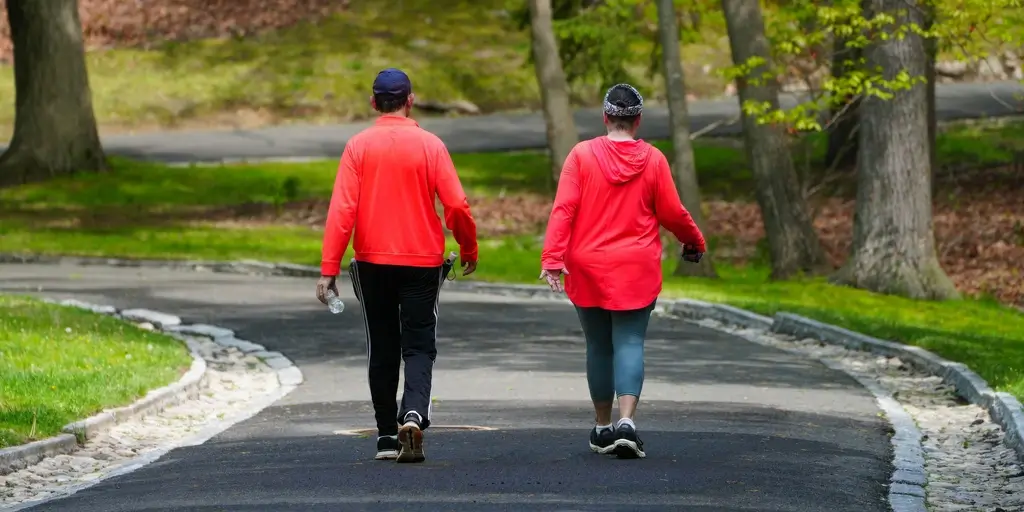
Walking looks simple from the outside, but finding your perfect walking pace is a skill worth building. The right pace can turn an ordinary stroll into a reliable fitness habit, help you recover without losing momentum, and keep you consistent for the long game. Like any endurance effort, the goal is not to move hardest every day. The goal is to move well, repeatably, and with purpose.
Why walking pace matters
Your walking pace affects more than speed. It shapes how your body feels during the walk, how much energy you use, and whether you finish feeling refreshed or drained. A pace that is too slow may not challenge you enough to support fitness progress. A pace that is too fast may leave you sore, discouraged, or unable to maintain the habit. The sweet spot is the pace you can sustain with solid form and steady breathing.
Think of it as training your engine. You are looking for a rhythm that is efficient, focused, and repeatable. The best pace is often the one that keeps you coming back tomorrow.
Start with your purpose
Before you measure steps or check your watch, decide what you want from the walk. Different goals call for different paces:
- Recovery and stress relief: A relaxed pace where you can breathe easily and clear your head.
- General health: A moderate pace that feels purposeful but still comfortable.
- Fitness improvement: A brisk pace that raises your heart rate and makes conversation possible, but not effortless.
- Endurance training: A steady, sustained pace you can hold for longer periods without fading.
When your pace matches your purpose, the walk becomes more effective and more enjoyable.
Use the talk test
The simplest way to find your ideal pace is the talk test. During a moderate walking pace, you should be able to speak in full sentences, but you may not want to sing. If you can chat endlessly with no change in breathing, you may be walking too gently for a fitness-focused session. If you can only get out a few words at a time, you are likely pushing into a harder effort than intended.
This test works because it keeps you honest. It helps you avoid chasing numbers that do not reflect how your body is responding. A strong walking habit is built on awareness, not guesswork.
Check your effort, not just your speed
Two people can walk at the same pace and experience it differently. Hills, wind, heat, fatigue, and sleep all change how a walk feels. That is why perceived effort matters. On a scale of 1 to 10, a comfortable brisk walk often lands around 4 to 6. You are working, but you are not struggling.
Ask yourself:
- Can I keep this pace for 20 to 60 minutes?
- Is my breathing controlled?
- Am I walking tall, or am I slumping?
- Do I feel challenged in a sustainable way?
If the answer is yes, you are likely close to your ideal pace for that day.
Build pace from your baseline
If you are unsure where to begin, start with a natural walk and observe it. Notice how long it takes to cover a familiar route. Then make small adjustments. Quickening your steps slightly, swinging your arms with intention, and standing a little taller can raise your pace without turning the walk into a sprint.
A practical method is to improve gradually:
- Walk at your normal pace for a few sessions.
- Increase speed just enough to feel a modest rise in breathing.
- Hold that pace consistently for the full walk.
- Only increase again when the current pace feels controlled and repeatable.
This patient approach mirrors endurance training: progress comes from consistency, not from forcing every session to be maximal.
Use your body as the main guide
Your feet, legs, hips, and posture tell you a lot. A good pace should feel smooth. Your stride should be comfortable, your shoulders relaxed, and your steps rhythmic. If you are overstriding, hunching, or tensing your jaw, the pace may be too aggressive or your form may need adjusting.
Focus on these cues:
- Posture: Stand tall with your chest open.
- Arms: Let them swing naturally to support momentum.
- Cadence: Take quicker, shorter steps rather than forcing long strides.
- Breathing: Keep it steady and controlled.
Efficient walking is not about looking fast. It is about moving with economy.
Let conditions shape the pace
Your perfect pace is not fixed. It changes with terrain, weather, sleep, stress, and training load. A hot day may require a slower pace. A rested morning may support a brisker one. Uphill routes will naturally slow you down, and that is fine. Consistency means adapting without losing the habit.
If you track your walks, notice patterns over time. You may discover that your best pace is not the fastest one you can hit on a good day, but the one you can return to week after week.
Make pace a habit, not a test
The most sustainable walking plan is built around repeatable effort. Some days you will walk for recovery. Some days you will push a little more. Both matter. What matters most is showing up, paying attention, and leaving enough in the tank to do it again tomorrow.
Your perfect walking pace is the one that supports your body, fits your goals, and keeps your momentum alive. Find that rhythm, protect it, and let time do the heavy lifting.





Discussion about this post