


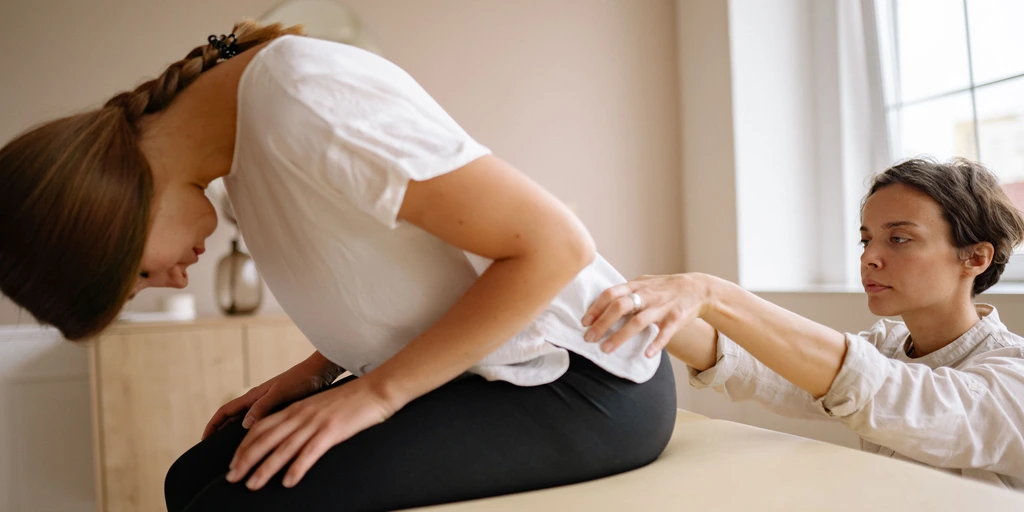
Hip pain is rarely just a nuisance you “push through.” More often, it is a message. Your body is asking for attention, and the sooner you listen, the better your chances of staying active for the long haul. For runners, lifters, walkers, and anyone who wants to move well for years, hip pain deserves respect. It can signal tightness, weakness, overload, poor movement patterns, or a deeper issue that needs professional care.
The hips sit at the center of the body’s movement system. They help you walk, squat, hinge, rotate, climb, and stabilize each step you take. When they are working well, movement feels smooth and efficient. When something is off, the pain may show up in the groin, outer hip, buttock, lower back, or even down the leg. That is why hip pain can feel confusing. The source is not always where the discomfort appears.
What Hip Pain Can Mean
Hip pain is not one problem. It is a broad signal with many possible causes. Some are minor and manageable with better habits. Others need medical evaluation. The key is to notice the pattern instead of ignoring it.
- Front-of-hip or groin pain: Often linked to hip flexor strain, joint irritation, or issues with the labrum.
- Outer-hip pain: May involve the glute muscles, tendons, or the tissue on the outside of the hip.
- Deep buttock pain: Can relate to glute weakness, nerve irritation, or tight surrounding muscles.
- Stiffness after sitting: May point to limited mobility, underuse, or a joint that dislikes being compressed for long periods.
- Pain during running or squatting: Often suggests the hip is being asked to do more than it is ready for.
The important takeaway is simple: pain is information. It does not always mean damage, but it does mean something needs to change.
Common Reasons the Hips Start Complaining
One of the most common drivers of hip pain is overuse. A sudden jump in training volume, more hills, heavier lifting, longer walks, or a new sport can overload tissue that was not prepared for it. The body adapts through consistency, not by being rushed. If the load rises too quickly, the hips often pay the price.
Weakness can also be a factor, especially in the glutes and deep stabilizing muscles around the pelvis. When those muscles are not doing their share, other structures step in to compensate. That compensation may work for a while, but eventually it creates strain. The body is efficient, but it is not infinite.
Mobility matters too. Tight hip flexors, limited rotation, or stiffness in the ankles and lower back can change how force moves through the body. If the hips cannot access enough range, they may become irritated by repeated stress. This is especially common in people who sit for long hours and then try to train hard without preparing the tissues first.
Movement mechanics are another piece of the puzzle. Poor squat depth, excessive inward knee collapse, overstriding while running, or a repeated twisting motion can place uneven stress on the hips. Small faults repeated hundreds of times become big problems over time. Endurance is built through repetition, so faulty repetition matters.
How to Read the Warning Signs
Not every ache is an emergency, but some signals should not be brushed aside. Pay attention to when the pain shows up, how strong it is, and whether it is changing.
- Mild discomfort that improves with movement: Often suggests stiffness or overload.
- Pain that worsens with activity: May indicate irritated tissue that needs a reduction in load.
- Sharp pain, catching, or clicking: Could point to a joint or structural issue that deserves assessment.
- Night pain or pain at rest: Should be taken seriously, especially if it persists.
- Numbness, weakness, or pain radiating below the knee: May involve nerve irritation and needs professional guidance.
If the pain is severe, lasts more than a couple of weeks, or keeps returning despite rest and basic changes, it is time to get evaluated. Toughness is not the same as ignoring warning signs. Real discipline means taking the long view.
What You Can Do Before It Gets Worse
The first step is to reduce the load that is aggravating the hip. That does not always mean complete rest. Often it means doing less of what hurts and more of what supports recovery. If running, jumping, deep squats, or long sitting sessions increase symptoms, adjust the dose. Recovery begins when the tissue is no longer being poked every day.
Next, build strength in the muscles that support hip function. Strong glutes, strong hamstrings, and stable core muscles help the hips absorb force more efficiently. A few consistent exercises can go a long way when done with patience and proper form.
- Glute bridges
- Side-lying leg raises
- Clamshells
- Split squats
- Romanian deadlifts
- Step-ups
These movements do not need to be flashy. They need to be done well and done consistently. That is the athlete’s mindset: small actions repeated over time create durable results.
Mobility work can help too, especially if stiffness is part of the picture. Gentle hip flexor stretches, deep breathing in supported positions, and controlled hip rotations may improve comfort. The goal is not to force the body into a dramatic stretch. The goal is to restore usable movement.
Warm-ups matter more than many people admit. A well-prepared hip handles impact better than a cold one. Before training, include light cardio, dynamic leg swings, bodyweight squats, and activation drills. Think of it as telling the body what is coming so it can respond with readiness instead of surprise.
When Sitting Becomes the Problem
Modern life is not kind to the hips. Long hours of sitting keep the hips in a shortened position and reduce the amount of natural loading they receive. Over time, this can create stiffness, tenderness, and weakness. Then, when activity suddenly increases, the body is unprepared.
If your job keeps you seated, make movement non-negotiable. Stand up regularly, walk for a few minutes, and change positions before the hips stiffen completely. A few movement breaks across the day can matter more than one intense workout when it comes to keeping the hips healthy.
Training Through Hip Pain the Smart Way
For active people, the hardest part is knowing whether to keep going or back off. The answer depends on the pattern. If pain is mild, improves as you warm up, and does not worsen afterward, you may be able to continue with modifications. Reduce range, lower load, slow the tempo, or switch to less irritating movements.
If pain increases during exercise, changes your stride, or lingers afterward, that is a sign to stop pushing. Training through the wrong kind of pain is not mental toughness. It is a shortcut to a longer setback. The long game rewards patience.
Keep a simple log of what makes the pain better or worse. Note activities, intensity, duration, and recovery time. Patterns often reveal themselves when you track them. A good athlete pays attention to data, even when the data comes from the body.
When to Seek Help
Professional help is wise if you cannot bear weight, the pain followed a fall or trauma, symptoms are getting worse, or you have persistent swelling, fever, or unexplained weight loss. It is also worth seeing a physical therapist, sports medicine doctor, or orthopedic specialist if the pain keeps returning or limits your ability to train and live normally.
The earlier you address a problem, the faster you can usually return to steady progress. Waiting often turns a manageable issue into a more stubborn one. That is true in training and in recovery.
Listening Like an Endurance Athlete
Endurance athletes understand something powerful: progress is built by respecting limits, then gradually expanding them. The hips are no different. They thrive on steady work, not reckless effort. They also respond well to consistency, enough recovery, and intelligent training.
Hip pain is not always a sign to stop moving. More often, it is a sign to move differently. That may mean better mechanics, stronger support muscles, smarter recovery, or a professional assessment. Whatever the cause, the message is the same: do not ignore the signal.
Your body is always communicating. The hips, especially, tend to speak up when something in the system is off. Listen early, adjust with discipline, and stay in the game. That is how you protect your movement now and for the long road ahead.










Discussion about this post