


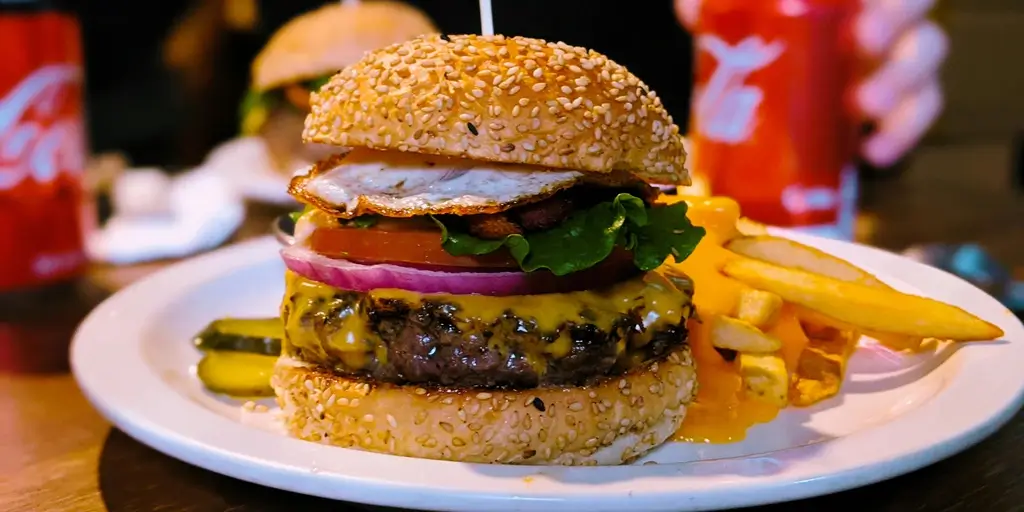
If you are trying to lose body fat, the short answer is yes—you can absolutely still lose weight while including a cheat meal, if your overall weekly calorie intake stays in a deficit. One meal does not determine your results. Your total energy balance over days and weeks does.
That said, cheat meals are not magical, and they are not harmless by default. Depending on how they are used, they can either support consistency or quietly erase several days of progress. The key is understanding what a cheat meal really does to your body, your appetite, and your adherence to the plan.
What Actually Drives Fat Loss
Fat loss happens when you consistently burn more calories than you consume. That does not mean every single day must be perfect. It means your average intake over time needs to be lower than your average expenditure.
For example, if you maintain a calorie deficit for six days but eat a very large cheat meal or cheat day on the seventh, you may cancel out the deficit entirely. On the other hand, if your cheat meal is planned and portion-controlled, you can still make excellent progress.
This is why many people get confused. They feel like they are “doing everything right,” but if the cheat meal turns into an all-day binge, the math changes quickly. A single restaurant meal can easily contain 1,500 to 3,000 calories, especially when it includes fried foods, creamy sauces, desserts, and sugary drinks.
Why Cheat Meals Can Help Some People
Used strategically, a cheat meal can improve adherence. Dieting is not only a physical challenge; it is also a psychological one. If a structured diet feels too restrictive, a planned meal can reduce feelings of deprivation and make the overall plan more sustainable.
Here are a few ways a cheat meal may help:
- Improves adherence: Knowing you have a planned meal can make the rest of the week easier to follow.
- Supports social life: It allows flexibility for family dinners, celebrations, or dining out.
- Reduces rebound eating: A controlled break may prevent the “all-or-nothing” mindset.
But there is an important distinction: a cheat meal should be planned, not impulsive. If it is used as an excuse to lose control, it becomes a setback rather than a tool.
The Hidden Problem: Hunger and Overshooting
One common mistake is arriving at a cheat meal extremely hungry. If you have been under-eating all day or all week, your appetite can be hard to manage. That often leads to eating far beyond what you intended.
To reduce that risk, focus on the basics of a well-structured diet:
- Eat enough protein to support fullness and muscle retention.
- Include fiber-rich foods like vegetables, fruit, beans, and whole grains.
- Do not slash calories so aggressively that you feel drained and ravenous.
- Keep your meal timing consistent enough to avoid extreme hunger spikes.
When hunger is out of control, willpower alone usually is not enough. Smart planning beats self-control battles every time.
Cheat Meal vs. Cheat Day
A cheat meal is usually easier to manage than a cheat day. A single meal creates a smaller window for calorie overshoot, while a full cheat day can wipe out an entire week of progress.
For most people, a cheat meal is a better fit than a cheat day because it provides flexibility without completely abandoning structure. If you want room to enjoy food without derailing fat loss, keep the indulgence contained to one meal rather than letting it expand into breakfast, snacks, dessert, and late-night takeout.
If your social schedule makes a full day of eating difficult to control, think in terms of one intentional meal rather than a whole free-for-all.
How to Include a Cheat Meal Without Sabotaging Progress
The best approach is to plan the meal with intention. A cheat meal should be a small, strategic deviation from your normal plan, not a total reset.
- Keep protein in the meal: Choose a main dish that still gives you a solid protein source.
- Watch liquid calories: Sodas, alcohol, milkshakes, and specialty drinks add up fast.
- Decide your portion before you start: Serving yourself mindfully helps prevent accidental overeating.
- Return to your normal routine afterward: Do not “punish” yourself by starving the next day.
- Track it if needed: If you are serious about results, logging the meal can be eye-opening.
One of the biggest traps is the “I already ruined it” mentality. If the meal is bigger than planned, do not turn it into a weekend of overeating. One meal does not define your progress. The next decision matters most.
Does a Cheat Meal Affect Metabolism?
Some people believe cheat meals “reset” metabolism or somehow boost fat loss in a dramatic way. That is overstated. While a higher-calorie meal can temporarily increase leptin and glycogen availability, the effect is not a license to overeat.
In real-world terms, the biggest benefit of a cheat meal is usually psychological, not metabolic. It may help you feel refreshed and more motivated, which improves consistency. But the calorie balance still matters far more than any short-term hormonal fluctuation.
So if your question is, “Will a cheat meal magically speed up fat loss?” the answer is no. If your question is, “Can I still lose weight while enjoying one planned indulgent meal?” the answer is yes.
Who Should Be Careful With Cheat Meals?
Not everyone responds to cheat meals the same way. Some people can enjoy one meal and move on. Others find that it triggers cravings, loss of control, or a cycle of restriction and overeating.
You may need a more cautious approach if you:
- Have a history of binge eating
- Struggle with all-or-nothing thinking
- Find that one indulgent meal turns into several days off plan
- Notice strong sugar or ultra-processed food cravings after cheat meals
If that sounds familiar, a structured refeed, a higher-calorie planned meal, or a flexible dieting approach may be a better option than a full cheat meal. The goal is not to find the most exciting strategy. The goal is to find the one you can execute consistently.
The Best Mindset for Long-Term Results
Sustainable fat loss is built on repeatable habits, not perfection. A well-placed cheat meal can fit into that system, but it should never be the centerpiece of your plan. Your weekly training, protein intake, sleep, step count, and calorie consistency matter much more.
Think like an athlete, not someone chasing a quick fix. Use cheat meals as a tool when they help you stay on track, and keep them under control so they do not undo your work. If fat loss is the goal, the winning formula is simple: control the average, not every single bite.
If you can do that, you do not need to fear a cheat meal. You just need to manage it like any other part of your nutrition plan.








Discussion about this post