


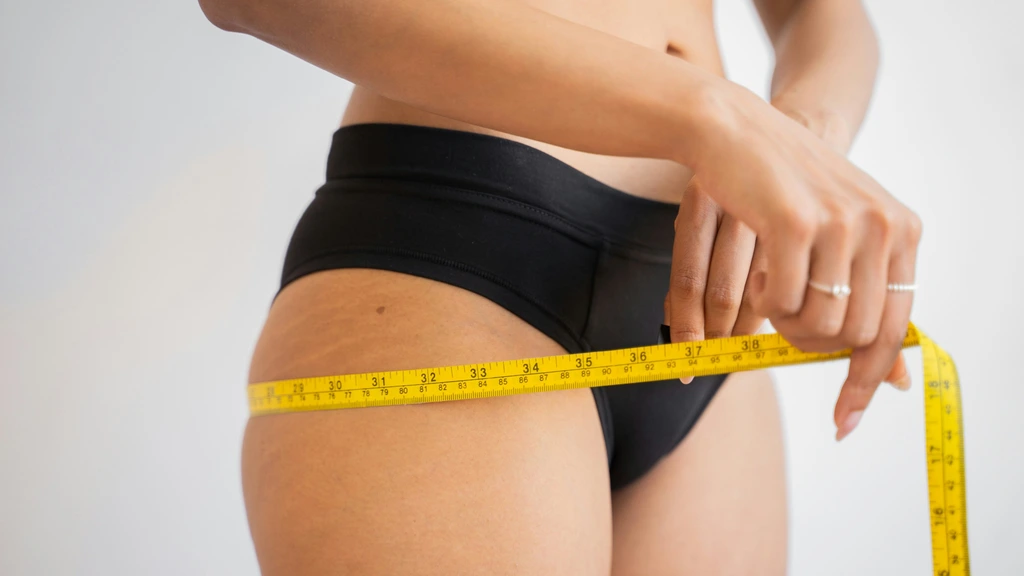
Understanding Body Fat
Body fat percentage is a crucial component of physical fitness and overall health. It provides a clearer picture of body composition compared to just using a scale. While there are various methods to measure body fat, using a measuring tape is an accessible and cost-effective way to estimate it. Understanding your body fat percentage can help tailor your fitness goals and track progress over time.
Why Use a Measuring Tape?
The use of a measuring tape allows you to estimate body fat without the need for expensive equipment or professional assistance. It offers a convenient way to monitor changes in your body composition over time. Measuring tape methods can be performed at home with minimal tools and provide results that, although not as precise as advanced technology, are reliable and useful for most fitness enthusiasts.
Steps to Measure Body Fat with a Tape
Here’s how you can calculate your body fat percentage using a simple measuring tape:
- Gather Your Materials: You’ll need a soft measuring tape and a calculator. Ideally, use a mirror for accuracy, and ask for assistance if needed.
- Measure Key Body Parts:
- Waist: Wrap the tape around your waist, level with your navel. Ensure the tape lies flat against your skin, without compressing it.
- Neck: Place the tape around the largest part of your neck. Men should avoid measuring over the Adam’s apple.
- Hips (for women): Measure around the widest part of your hips, keeping the tape level.
- Calculate Your Measurements: Using these measurements, apply them to the Naval Method formula or an online tool specifically designed for tape measurements. For example, use body measurement calculators available on fitness websites which incorporate these measurements into a formula to estimate your body fat percentage.
Interpreting Your Results
Your calculated body fat percentage can provide insights into your health and fitness level. Generally, ranges differ between genders:
- Men: Essential fat ranges between 2-5%. Acceptable range is 6-24%.
- Women: Essential fat ranges between 10-13%. Acceptable range is 14-31%.
Keep in mind that individual goals will influence desired body fat levels. Athletes, for example, often have lower percentages due to rigorous training regimens.
Limitations and Considerations
While measuring tape methods are beneficial for a rough estimate of body fat percentage, they have limitations. Water retention, measurement errors, and anatomical differences can affect accuracy. It’s important to consistently measure under similar conditions and timings for more reliable trend tracking. For those requiring precise measurements, more technical methods such as DEXA scans or BodyPod assessments might be desirable.
Tracking Progress Over Time
Regular tracking of body fat percentage can help in assessing the effectiveness of nutrition and exercise plans. It’s advisable to record your measurements monthly to capture gradual changes, staying aware that small fluctuations are normal. This ongoing assessment can motivate you to adjust your fitness or diet plans to meet your health objectives efficiently.
Incorporating these body fat measurements into your wellness regimen can deepen your understanding of your physical state and encourage more informed decisions on your personal fitness journey.






Discussion about this post