


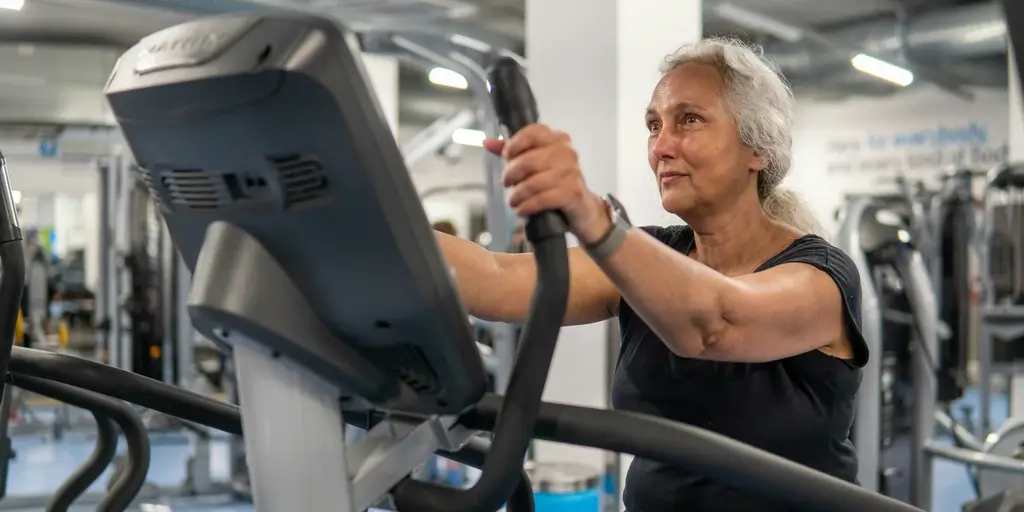
Menopause can feel like your body is changing the rules mid-game, but here’s the truth: you can still train hard, stay strong, and keep your energy high. In fact, staying active during menopause is one of the best moves you can make for your muscles, bones, mood, metabolism, and overall vibe. The key is working with your body, not against it.
1. Prioritize strength training like it’s your secret weapon
If there’s one non-negotiable during menopause, it’s lifting weights. As estrogen declines, muscle mass and bone density can take a hit, which means strength training becomes a total game-changer. Think dumbbells, resistance bands, machines, kettlebells, and bodyweight moves that challenge you.
You do not need to become a powerlifter overnight. Start with two to four sessions per week and focus on big compound movements like squats, deadlifts, rows, presses, and lunges. These exercises hit multiple muscle groups at once, helping you build functional strength that carries over into real life.
Want the real win? Strength training can help support a healthier metabolism, improve insulin sensitivity, and make everyday tasks feel easier. Carrying groceries, climbing stairs, picking up your dog, or hauling laundry suddenly feels way less like a grind. That is legit life-enhancing power.
Pro tip: use a weight that feels challenging by the last few reps, but still lets you maintain solid form. You want stimulus, not chaos.
2. Keep cardio in the mix, but don’t overdo the grind
Cardio is still a major player during menopause, especially for heart health, endurance, and stress relief. But the old “more is always better” mindset can backfire if you’re already dealing with fatigue, hot flashes, or poor recovery. This is the time to train smarter, not just harder.
Mix up your cardio so it supports your body instead of draining it. Brisk walking, cycling, swimming, dancing, rowing, and low-impact HIIT can all be solid options. If you love running, keep it in the rotation. If pounding pavement feels rough on your joints, swap in lower-impact stuff and keep the gains coming.
A great target is 150 minutes of moderate activity per week, but that can be broken up in a way that works for your schedule and energy levels. Even a few 10- to 15-minute movement snacks throughout the day can add up fast.
Bro-level truth: cardio should leave you feeling energized, not destroyed. If every workout feels like you got hit by a truck, scale it back and recover like a champ.
3. Build mobility and recovery into your routine
One of the biggest mistakes people make during menopause is treating recovery like an optional extra. Not anymore. Hormonal shifts can affect sleep, joints, and overall recovery, so mobility work and rest days are part of the plan, not a sign of weakness.
Daily mobility drills can help you stay loose, reduce stiffness, and keep your workouts feeling smoother. Try dynamic stretches, hip openers, thoracic rotations, shoulder circles, cat-cow, and gentle yoga flows. Even 5 to 10 minutes can make a huge difference.
And let’s talk recovery like adults who lift: sleep, hydration, nutrition, and stress management matter. If you’re not recovering, you’re not adapting. That means fewer gains, more soreness, and a harder time staying consistent. Recovery is where the magic happens.
Simple recovery wins:
- Get consistent sleep and protect your bedtime routine
- Drink enough water throughout the day
- Take rest days seriously
- Use walking or light stretching for active recovery
- Eat enough protein to support muscle repair
The goal is to keep your body ready to perform, not constantly running on fumes.
4. Make protein and balanced nutrition part of your active lifestyle
Training during menopause works way better when your nutrition is on point. If you’re trying to stay active, build muscle, and keep your energy up, protein is your best friend. It helps preserve lean mass, supports recovery, and keeps you feeling fuller for longer.
Aim to include a solid protein source at every meal. That could be eggs, Greek yogurt, cottage cheese, chicken, turkey, fish, tofu, tempeh, lentils, or a quality protein shake when life gets busy. Pair that with fiber-rich carbs, healthy fats, and plenty of colorful produce so your body has the fuel it needs to keep moving.
Don’t fear carbs, either. If you’re active, carbohydrates are fuel, not the enemy. They help power workouts, support recovery, and keep your brain from feeling like it’s running on low battery. The trick is choosing quality sources and timing them around activity when possible.
Easy plate formula:
- Protein: one palm-sized serving
- Carbs: one cupped hand of rice, potatoes, oats, fruit, or whole grains
- Veggies: at least one to two fists
- Fats: a thumb-sized portion from avocado, nuts, seeds, or olive oil
When your nutrition supports your training, staying active feels less like a chore and more like a lifestyle you can actually sustain.
5. Listen to your body and adjust without guilt
This might be the most important tip of all: menopause is not the time to bulldoze through every signal your body sends. Some days you’ll feel powerful. Other days you may feel tired, overheated, bloated, stiff, or just off. That does not mean you’re failing. It means you’re paying attention.
Staying active during menopause is not about chasing perfection. It’s about consistency, flexibility, and knowing when to push and when to pull back. If your sleep is terrible, your joints are cranky, or your energy is tanking, switch to a lighter session. A walk, mobility circuit, or low-intensity bike ride still counts. Movement is movement.
Pay attention to patterns. If certain workouts trigger hot flashes or leave you wiped out for days, modify them. You might do better with shorter strength sessions, cooler training environments, or more recovery between intense efforts. The goal is to keep showing up in a way that feels sustainable.
Remember: consistency beats intensity when it comes to long-term results. The best workout plan is the one you can stick with, even when life and hormones are throwing curveballs.
Keep the momentum rolling
Menopause may change how your body responds to exercise, but it absolutely does not end your fitness journey. With the right mix of strength training, cardio, mobility, nutrition, and recovery, you can stay active, build confidence, and keep feeling strong as hell.
The biggest win is creating a routine that respects your changing needs while still challenging you enough to grow. Keep the weights in play, move your body often, eat like you mean it, and recover like it’s part of the program — because it is.
Bottom line: menopause is not a setback. It’s a new training phase. Adapt, stay consistent, and keep stacking those wins. Your strongest chapter can absolutely be right now.










Discussion about this post