


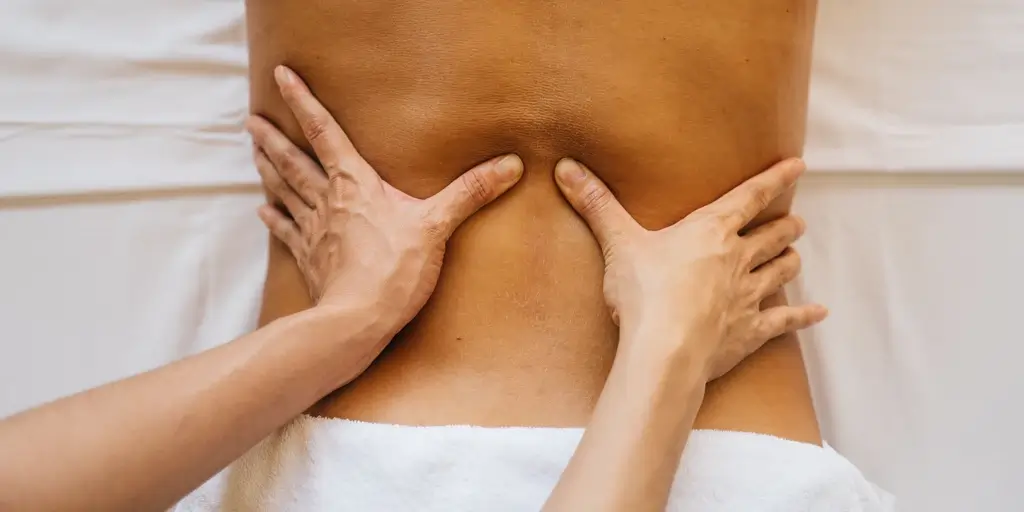
In a world that often asks so much of our attention, even a small pause can feel like a deep exhale. A 10-minute massage may be brief, yet it can offer a meaningful shift in how the body and mind feel. When touch is gentle and intentional, the nervous system often begins to soften, the breath may slow, and the body can remember what ease feels like.
Why a short massage can make a difference
Stress is not only something we think about; it is something we carry. It can show up in the shoulders, jaw, lower back, and even in the way we breathe. A short massage invites the body to pause its usual holding pattern. Even within ten minutes, muscles may begin to unclench, circulation can improve, and the mind may step away from its constant stream of to-do lists.
From a mind-body perspective, massage can help signal safety. When pressure is steady, soothing, and appropriate to the body, the parasympathetic nervous system may become more active. This is the part of the nervous system associated with rest, digestion, and recovery. In simple terms, a few mindful minutes of touch can help move us from doing into being.
What the research suggests
While a longer massage may offer more extended benefits, studies have shown that even short sessions can reduce perceived stress, ease muscle tension, and support emotional well-being. The body does not always need an hour to respond. Sometimes, a focused ten-minute session is enough to interrupt the cycle of tension and help you feel more present in your own skin.
That said, massage is not a magic fix. Stress is often layered, influenced by sleep, workload, relationships, movement, and emotional load. But a short massage can be one supportive practice among many. Think of it as a small bridge back to balance, rather than a complete destination.
Where the body tends to hold stress
Many of us carry stress in familiar places. During a massage, common areas of attention may include:
- Neck and shoulders — often tight from posture, screen time, or emotional strain
- Jaw and face — where clenching can go unnoticed until relaxation begins
- Upper back — a place that can feel heavy when life feels demanding
- Hands and forearms — especially for people who type, lift, carry, or repeat the same motions
- Feet — a grounding area that can benefit from slow, steady attention
As these areas soften, you may notice a change in your breathing. The inhale may become fuller. The exhale may lengthen. The body often follows the breath, and the breath often follows the body. This gentle relationship is one reason massage can feel so regulating.
How to make 10 minutes more effective
Ten minutes may be enough to reduce stress when the time is used with care. A rushed or distracted massage may not feel as restorative as one that is deliberate and present. If you are receiving a short massage, here are a few ways to deepen the experience:
- Arrive a few breaths early so your body has time to settle.
- Notice your exhale and allow it to lengthen naturally.
- Release unnecessary effort in the hands, belly, and jaw.
- Communicate your preferences about pressure, pace, and areas of focus.
- Stay present to sensation rather than drifting too far into thought.
These simple choices can help turn a brief massage into a more mindful experience. Even outside a spa or clinic, a partner, friend, or self-massage practice can offer a similar moment of relief when approached with attention and care.
Self-massage for a quick reset
If professional massage is not available, you can still offer your body a few minutes of supportive touch. Self-massage is accessible, flexible, and easy to weave into a busy day. With gentle pressure, try massaging the temples, scalp, neck, shoulders, or the base of the thumbs. You can also roll a tennis ball under the feet or upper back while breathing slowly.
As you do this, notice any areas that feel especially tender or guarded. Rather than forcing release, invite softness. A helpful inner cue might be: “I am safe enough to relax a little more.” This kind of language can support the nervous system as much as the touch itself.
When a short massage is especially helpful
A 10-minute massage may be particularly supportive when you are:
- Feeling mentally overloaded
- Carrying tension after long periods of sitting or screen use
- Recovering from a stressful workday
- Preparing for rest or sleep
- Needing a gentle transition between tasks
In these moments, the goal is not to “fix” anything. The goal is to create a small pocket of ease. Sometimes that is enough to help you move through the rest of the day with a little more steadiness and a little less strain.
A mindful perspective on stress relief
Stress relief does not always require a grand reset. In fact, the body often responds well to small, repeated moments of care. Ten minutes of massage can be one such moment: simple, accessible, and deeply human. It reminds us that healing is not always dramatic. Sometimes it is quiet. Sometimes it is a hand resting on a shoulder, a breath lengthening, a muscle unclenching just enough to feel the difference.
If you are exploring ways to support your well-being, consider massage as part of a broader rhythm of self-care. Pair it with hydration, rest, movement, and mindful breathing. Let it be one gentle thread in the larger fabric of your health. When we listen to the body with kindness, even a short pause can become a meaningful act of renewal.







Discussion about this post