


The menstrual cycle is a routine part of life for many women, characterized by hormonal fluctuations that can influence physical and emotional states. With these changes, questions often arise about how exercise fits into this monthly routine. Many women wonder: Is it beneficial or even safe to work out during their period?
Benefits of Exercising During Your Period
Contrary to the common perception that menstruation demands rest and inactivity, working out during your period offers several benefits:
- Pain Relief: Physical activity increases endorphin levels, which can act as natural painkillers, potentially alleviating menstrual cramps and discomfort.
- Mood Booster: Hormonal changes can influence mood, but exercise can help stabilize these fluctuations by releasing mood-enhancing chemicals in the brain.
- Improved Circulation: Regular movements can enhance blood flow, which might help reduce bloating and keep energy levels stable.
Listening to Your Body
While exercise can be beneficial, it’s crucial to listen to one’s body. Fatigue, cramps, and other symptoms vary greatly from person to person and change from cycle to cycle. It’s perfectly normal to adjust workout intensity or skip a session if your body demands more rest. Understanding and respecting these signals will lead to a healthier approach to menstrual health.
Best Exercises During Menstruation
Certain types of exercise may be more suitable during various phases of your menstrual cycle:
- Yoga and Stretching: Practicing yoga or gentle stretching can be therapeutic during your period, as these activities promote relaxation and help in reducing stress. Focus on poses that relieve tension in the back and pelvis.
- Walking and Light Cardio: If you’re not up for an intense workout, consider walking or other forms of light cardio. These activities maintain cardiovascular health without overstraining your body during this time.
- Lower-Intensity Strength Training: Using lighter weights or performing bodyweight exercises can be a great way to maintain muscle tone without overexertion.
Exercises to Approach with Caution
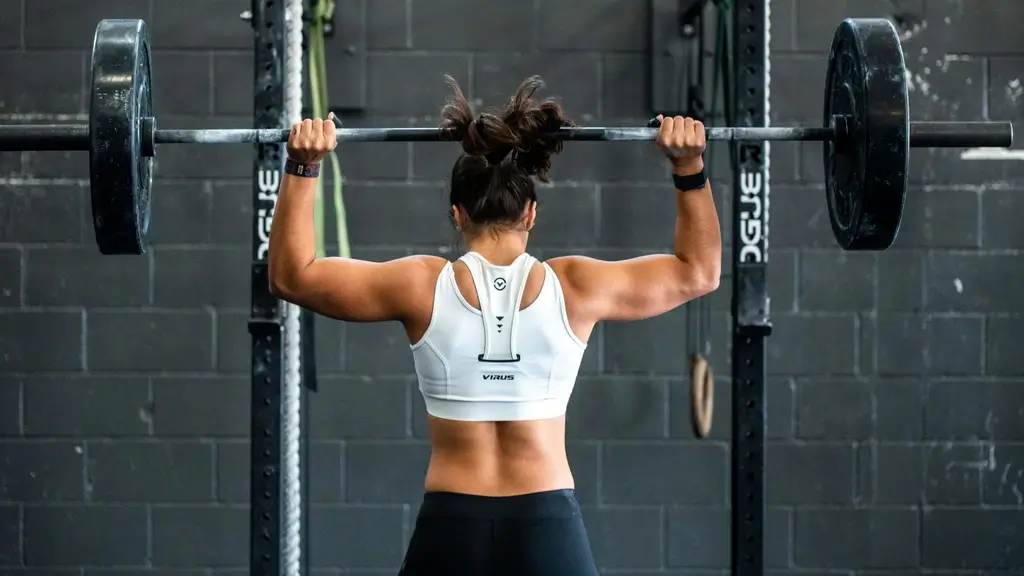
While staying active is generally helpful, some high-intensity workouts might not be suitable for every woman during her menstrual period. Activities such as heavy lifting, sprinting, and intense team sports should be approached with caution, especially if you’re experiencing severe symptoms such as back pain or dizziness. Always prioritize comfort and safety over adherence to a routine.
Nutritional Considerations
Fueling your body appropriately is essential, especially when exercising during your menstrual cycle. Opt for a balanced diet rich in iron, magnesium, and omega-3 fatty acids, as these nutrients can help alleviate common period symptoms. Stay hydrated and be mindful of caffeine and processed sugar, which might exacerbate bloating and cramping.
Overcoming Myths and Misconceptions
There are many myths surrounding exercising during menstruation. One common misconception is that working out could negatively impact your menstrual cycle. On the contrary, regular physical activity can promote a more regular cycle by helping regulate hormones. Another myth is that women should completely abstain from exercise when on their period, which isn’t necessary unless dictated by individual physical responses.
The key takeaway is that while challenges like discomfort and fatigue are valid, they shouldn’t be barriers to maintaining your fitness routine. Adapting your workout to match your current physical and emotional states is not only permissible but recommended. Remember, each body is unique and responding to its cues is a testament to personal strength and care.









Discussion about this post