


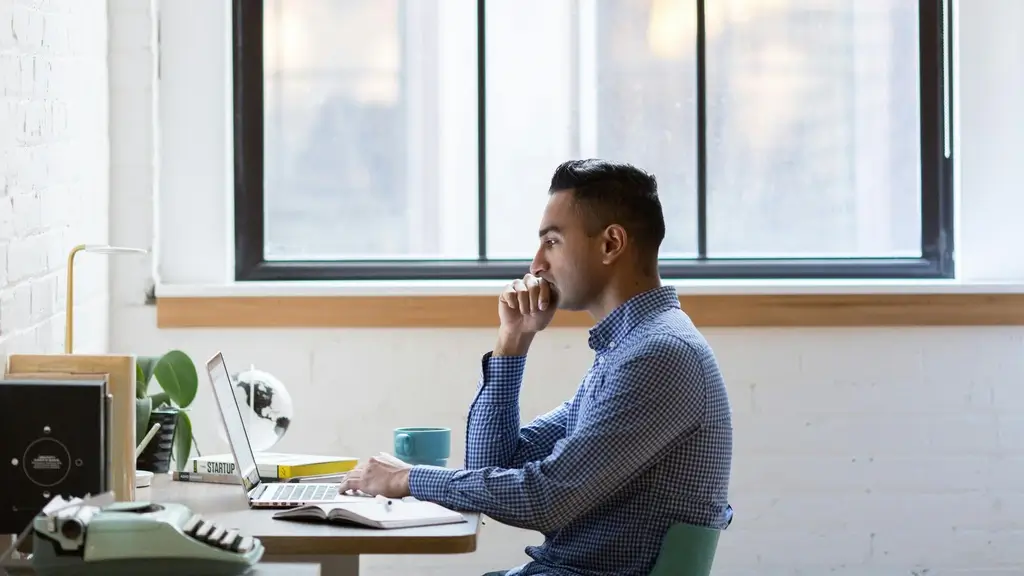
The Hidden Dangers of Prolonged Sitting
In today’s modern world, sitting has become as natural as breathing. Whether it’s at the office, in the car, or at home, we seem to be glued to our seats. However, studies have started to reveal that this seemingly harmless habit can have dire consequences on our health. The term “sitting is the new smoking” has been coined due to the adverse effects prolonged sitting can have.
Prolonged periods of sitting have been linked to a myriad of health issues, including cardiovascular disease, obesity, and even cancer. When we sit for extended periods, our metabolism tends to slow down, affecting our body’s ability to regulate blood sugar and break down body fat. This can lead to increased blood pressure, excess body fat around the waist, and unhealthy cholesterol levels.
Understanding the Effects on Your Body
Long hours of sedentary behavior adversely impact our skeletal and muscular system. Sitting can lead to weak legs and glutes, as well as poor flexibility, particularly in the hips and lower back. This weakness can cause balance issues and increase the risk of falls or injuries. Moreover, constant sitting can lead to neck and back pain, as poor posture contributes to significant musculoskeletal strain.
Sitting for lengthy periods can also negatively impact mental health. Feelings of depression and anxiety have been reported to increase due to a lack of physical activity. The absence of movement can lead to lower energy levels and decreased mood, possibly affecting work performance and personal life.
Incorporating More Movement into Your Day
The good news is that breaking the cycle of sitting is not as daunting as it may seem. Here are some strategies to help incorporate more movement into your daily routine:
- Take Frequent Breaks: Stand up and stretch or walk for at least 5 to 10 minutes every hour. This can refresh your body and mind and improve circulation.
- Invest in a Standing Desk: Alternating between sitting and standing throughout the day can reduce the harms associated with prolonged sitting. Consider a desk that can be adjusted for both sitting and standing positions.
- Adopt a Walking Meeting: Instead of sitting in a conference room or over a video call, take your meeting on the move. Walking meetings can stimulate creativity and improve group dynamics.
- Use Technology: Set reminders or alarms on your phone or computer to prompt you to move at regular intervals. Fitness trackers and smartwatches can also be great motivators.
- Stand or Pace While on the Phone: Whether at work or at home, standing or pacing during phone calls can help increase your step count and reduce sitting time.
- Exercise Regularly: Incorporate a mix of cardio, strength training, and flexibility exercises to counter the effects of sitting. Even short bursts of activity, like a 15-minute walk, can make a difference.
Creating An Active Work Environment
If the majority of your sitting occurs at the workplace, consider these options to make your office environment more conducive to movement:
- Create a Movement-Friendly Workstation: Arrange your office to encourage standing and moving. Implement standing desks or treadmill desks if budget allows.
- Promote Activity-Based Tasks: Introduce activities that encourage employees to stay active, such as lunchtime yoga sessions or team fitness challenges.
- Encourage Walking Breaks: Foster a culture where taking walks or stretch breaks is encouraged and seen as a productive part of the day.
Gradual Changes for Sustainable Health
Changing habits isn’t always easy, but gradual modifications can lead to sustainable health benefits. Start by setting achievable goals, such as standing or moving around for 30 minutes a day, and progressively increase over time. Remember, consistency is key, and each step you take towards reducing sitting time can significantly impact your health and wellbeing.
Transforming from a sedentary to an active lifestyle may seem challenging at first, but understanding the detrimental effects of prolonged sitting provides a tremendous incentive to get moving. By incorporating small, manageable changes into your routine, you’ll be on your way to a healthier, more energetic life.







Discussion about this post