


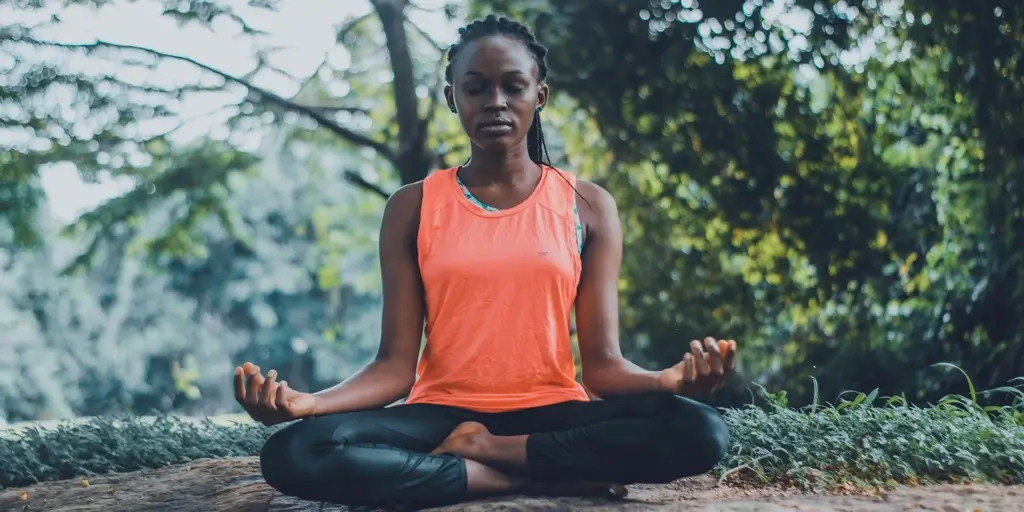
In today’s fast-paced world, stress can often feel like an inescapable part of life. However, numerous studies have shown that meditation can be a powerful tool in reducing stress and boosting overall well-being. Whether you’re a busy professional, a student under pressure, or simply someone looking to find a sense of calm in a hectic world, incorporating meditation into your routine can be transformative.
Understanding Stress and its Impact
Stress manifests in various ways, from physical symptoms like headaches and fatigue to emotional issues such as anxiety and irritability. Chronic stress can lead to serious health problems including heart disease, depression, and a weakened immune system. It’s crucial to recognize these signs early and incorporate stress management techniques into your daily life.
The Science Behind Meditation
Meditation has been practiced for thousands of years, but modern science has only recently begun to quantify its benefits. Regular meditation can help decrease blood pressure, relieve symptoms of anxiety and depression, and improve focus and concentration. Studies using neuroimaging have shown that meditation can change the structure of the brain, increasing the thickness of areas involved in attention, self-awareness, and sensory perception.
Getting Started with Simple Meditation Exercises
The beauty of meditation is that it does not require any special equipment, and you can practice it almost anywhere. Here are a few simple exercises to help you get started:
- Mindful Breathing: This exercise can be done anywhere, at any time. Find a comfortable sitting or standing position. Close your eyes if it’s safe to do so, and begin to focus on your breath. Inhale deeply through your nose, hold for a moment, and exhale slowly through your mouth. Count your breaths, and let go of any intrusive thoughts that come your way.
- Body Scan: This technique involves focusing attention on different parts of the body. Lie down comfortably and begin to notice the sensations in your feet, gradually moving up to your head. Pay attention to any tension or relaxation, and try to release areas of stress as you go.
- Guided Imagery: Use audio recordings or simply imagine a peaceful place where you feel most relaxed. Engage all your senses as you visualize this scene, noticing the sounds, smells, and feelings associated with it. This mental vacation can be refreshingly restorative.
Creating a Meditation Routine
Consistency is key to benefiting from meditation. Try to set aside a specific time each day for your practice, even if it’s just five to ten minutes. Many people find that meditating in the morning sets a peaceful tone for the rest of the day, while others prefer a session before bedtime to ease into a restful sleep.
Integrating Meditation into Daily Life
Once you become comfortable with meditation, you might find that it naturally becomes a part of your daily routine. Here are some tips to seamlessly incorporate meditation into everyday activities:
- Mindful Walking: Turn a regular walk into a meditation by paying attention to the sensation of your feet on the ground and the rhythm of your breathing.
- Pausing during the day: Take short “micro-meditations” throughout the day. This could be as simple as taking three mindful breaths before responding to a stressful email.
- Meditative Eating: Focus on your food, savoring every bite, and noticing the flavors and textures. This practice can enhance digestion and improve your relationship with food.
Meditation and Modern Technology
In today’s digital age, technology offers numerous resources that can support your meditation practice. Various apps and online platforms provide guided meditations, timers, and community support for both beginners and experienced practitioners. Some popular options include Headspace, Calm, and Insight Timer, each offering a range of meditations tailored to different needs and lifestyles.
If you find it challenging to meditate on your own, these digital tools can provide structure and helpful guidance as you develop your practice.
Incorporating these simple exercises and routines into your life can significantly impact your stress levels and overall health. As you explore the world of meditation, remember that it’s a personal journey, and what works for one person might not work for another. Keep experimenting until you find the techniques that bring you peace and joy.








Discussion about this post