


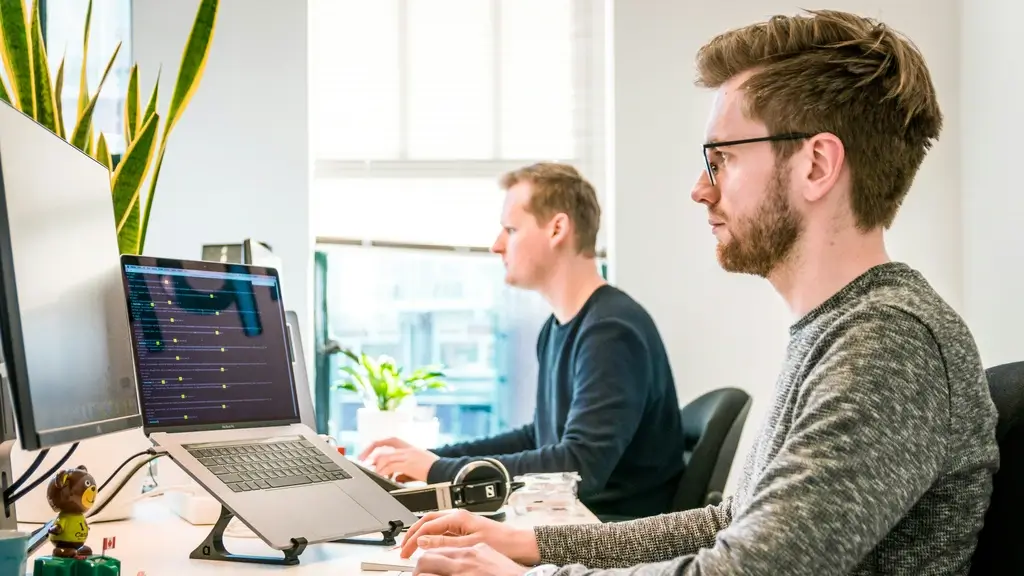
In today’s work environment, many of us find ourselves glued to our office chairs for extended periods. While it’s often considered the norm, the reality is that prolonged sitting can have detrimental effects on our health and body composition—this is where the infamous term ‘office chair butt’ comes into play.
What Exactly is ‘Office Chair Butt’?
‘Office chair butt’ is a colloquial term used to describe the flattening and spread of the gluteal muscles, particularly the gluteus maximus, due to excessive sitting. When we remain sedentary for long durations, the muscles in our posterior begin to weaken and atrophy because they aren’t being engaged or activated. This leads to a saggy or less defined look.
How Prolonged Sitting Impacts Your Health
Beyond the changes in appearance, sitting all day has a profound impact on overall health. Studies have shown that sitting for extended periods can lead to:
- Muscle Degeneration: As certain muscles in the legs and glutes are not being used, they gradually weaken and lose their tone.
- Back and Spine Issues: Poor posture and a lack of movement can lead to spine alignment problems and chronic back pain.
- Cardiovascular Concerns: A sedentary lifestyle is linked with an increased risk of heart disease due to slower metabolism and reduced blood circulation.
- Metabolic Syndrome: Extended sedentary periods can promote metabolic syndrome, which includes a range of conditions like increased blood pressure and elevated blood sugar levels.
Simple Exercises to Combat the Effects of Sitting
Thankfully, there are simple exercises that can be incorporated into daily routines to fight against ‘office chair butt’ and the health risks associated with sitting:
- Glute Bridges: An excellent exercise that targets the glutes and core, helping build strength and definition.
- Standing Desks: Alternating between sitting and standing can provide relief to your muscles and give your metabolism a boost.
- Leg Raises: Great for activating hip flexors and strengthening the core.
- Desk Stretches: Periodic stretching exercises increase blood flow and reduce muscle tension.
Incorporating Activity into Your Day
It’s important to incorporate movement throughout the day to mitigate the adverse effects of sitting. Consider the following practical tips:
- Take Short Walks: Every hour, take a 5-minute walking break to stretch your legs and get your blood flowing.
- Use the Stairs: Opt for stairs instead of elevators whenever possible to give your glutes and calves a mini workout.
- Fidget or Engage in Micromovements: Small movements, such as foot tapping or stretching your arms, can contribute to increased energy expenditure.
- Yoga or Pilates: These disciplines can improve flexibility, strength, and posture, offering a counterbalance to prolonged sitting.
The Psychological Aspect of Sitting Less
Not only does increased activity benefit physical health, but it also profoundly impacts mental well-being. Physical activity can help alleviate symptoms of anxiety and depression, boost mood, and improve cognitive function. By taking breaks, we increase our productivity and enhance our capacity for focus and creativity.
Ultimately, while the modern lifestyle often requires us to be seated for long periods, it’s crucial to find ways to maintain physical health and avoid the pitfalls of a sedentary lifestyle. By incorporating movement into daily routines and being mindful of posture and activity levels, we can combat the adverse effects of extended sitting and keep those glutes in shape.




Discussion about this post