


The Rise of Digital Fitness Platforms
As technology continues to advance, the fitness industry is witnessing a transformation with the rise of digital fitness platforms. These platforms provide individuals with unprecedented access to a variety of workout routines, all from the comfort of their own homes. Whether it is app-based training programs, virtual classes, or personalized coaching, the options are vast and cater to diverse fitness needs.
With companies like Peloton, Mirror, and Apple Fitness+ leading the charge, users can now experience high-quality workouts through a digital interface. The convenience of these platforms is one of their biggest draws, eliminating the need for gym commutes and allowing workouts to fit effortlessly into busy schedules.
Wearable Technology and Fitness Tracking
Wearable technology continues to be at the forefront of fitness innovations. Devices such as smartwatches and fitness trackers are evolving at a rapid pace, offering users metrics that go beyond just tracking steps and calories burned. Now, they provide insightful data on heart rate variability, sleep patterns, and even stress levels, contributing to a more comprehensive understanding of one’s physical health.
Brands like Fitbit, Garmin, and WHOOP are making strides in wearable tech by integrating more advanced health-monitoring features. In the future, we can expect these devices to become an integral part of individualized fitness plans, enhancing personalized training and health monitoring.
Personalized Nutrition and AI
The future of fitness is not limited to exercise; it extends into nutrition as well. Artificial intelligence is revolutionizing how we approach personalized nutrition, offering tailored dietary plans based on an individual’s unique genetic makeup, lifestyle, and specific goals. AI-driven platforms analyze data to optimize meal plans that enhance performance and recovery, while also promoting overall well-being.
Companies like Nutrigenomix and PlateJoy use AI to provide customized nutritional advice, making it easier for individuals to adopt healthier eating habits. As technology becomes more sophisticated, these customized approaches will become mainstream, ensuring sustainable, long-term lifestyle changes.
Virtual and Augmented Reality Workouts
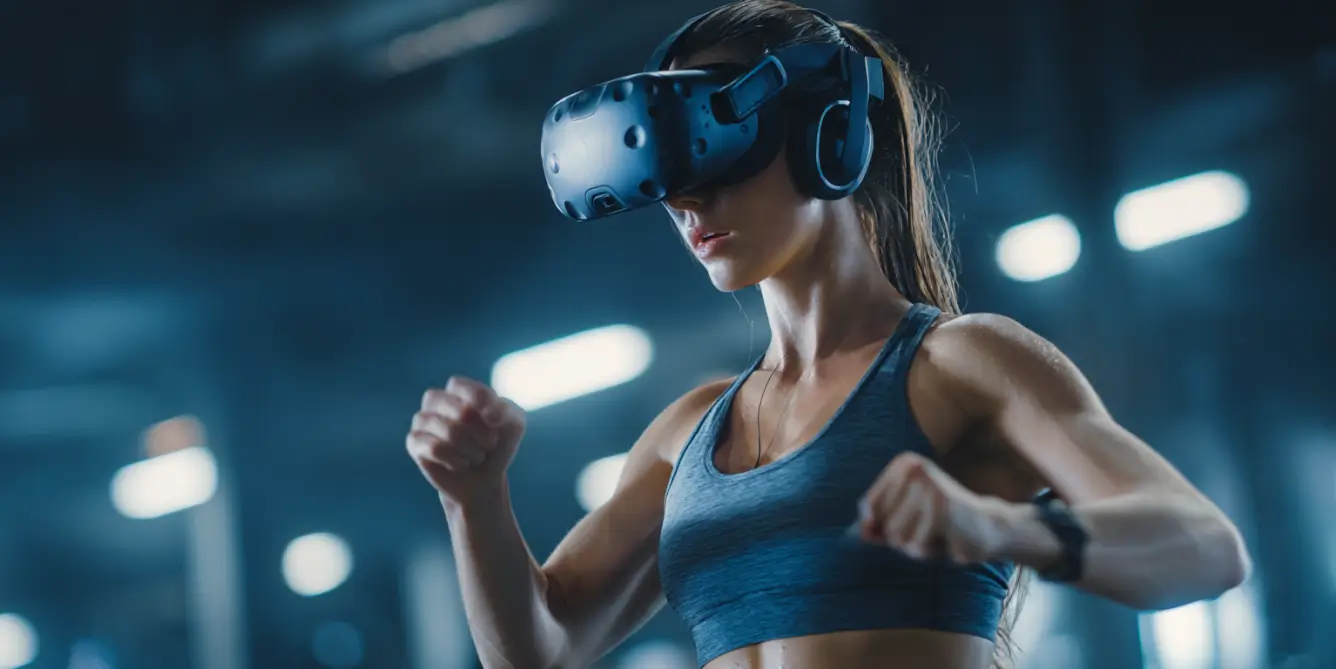
Virtual Reality (VR) and Augmented Reality (AR) are beginning to change the landscape of how we experience workouts. These technologies enable immersive fitness experiences that transform mundane exercises into dynamic and engaging adventures. From VR boxing classes to virtual cycling through majestic landscapes, the potential for these technologies to enhance motivation and adherence to fitness regimens is enormous.
Companies like Supernatural and FitXR are already making waves, offering VR-based platforms that deliver fun and challenging workouts. As the technology evolves, we will see more sophisticated applications that can replicate real-world exercise environments, making fitness more accessible and enjoyable.
The Growing Importance of Mental Fitness
As awareness grows around the importance of mental health, the concept of mental fitness is gaining traction in the wellness industry. Future fitness trends are likely to integrate mental conditioning as a core component of physical training. Practices like meditation, mindfulness, and breathwork are becoming central elements of comprehensive wellness programs, enhancing emotional well-being alongside physical strength.
Apps like Headspace and Calm illustrate the growing recognition of mental fitness, offering users tools to improve concentration, reduce stress, and enhance happiness. These tools are becoming just as important as physical exercises in achieving holistic health and fitness goals.
In conclusion, the future of fitness is shaping up to be an exciting blend of technology, personalization, and holistic wellness. As innovations continue to emerge, they promise to create a fitness landscape that prioritizes convenience, diversity, and total well-being.









Discussion about this post