


Understanding Fluid Retention
Fluid retention, also known as edema, can result in swelling in various parts of the body, often causing discomfort and a feeling of heaviness. It occurs when excess fluids build up in the body’s tissues. While there can be several underlying causes, such as lifestyle factors, hormonal changes, or certain medical conditions, improving your diet can be an effective way to help reduce fluid retention.
1. Reduce Sodium Intake
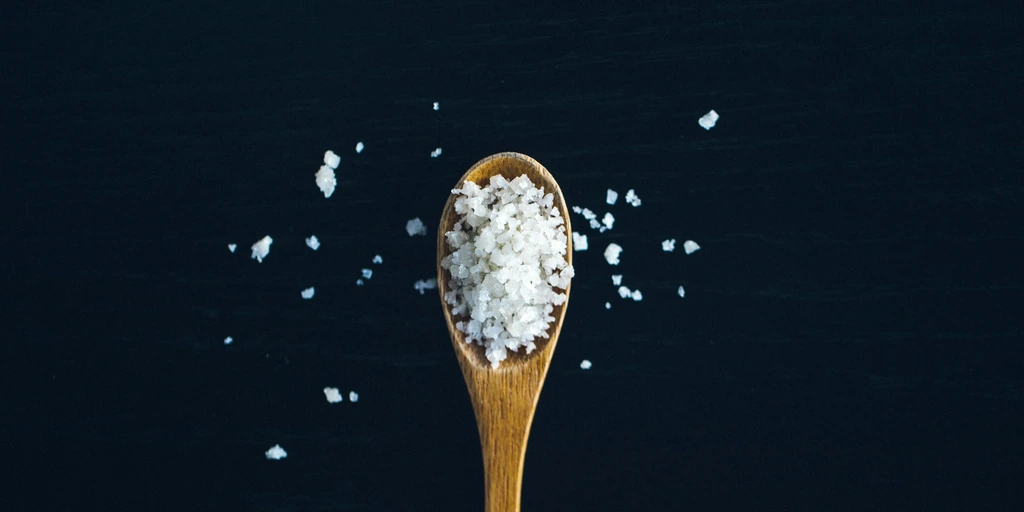
Sodium is a major contributor to water retention. It causes the body to hold on to more water, which can lead to swelling. To reduce sodium intake, it’s important to limit processed foods, which often contain high levels of salt. Instead, opt for fresh ingredients and try seasoning meals with herbs, spices, and lemon juice to add flavor without extra salt.
- Check labels: Pay attention to food labels when shopping and choose products labeled low-sodium.
- Avoid salty snacks: Steer clear of chips, salted nuts, and other salty treats.
- Be cautious with condiments: Many sauces, dressings, and condiments are high in sodium. Choose low-sodium options whenever possible.
2. Increase Magnesium-Rich Foods
Magnesium plays a crucial role in regulating bodily fluids. Foods rich in magnesium can help your body maintain a proper fluid balance. Incorporate more magnesium-rich foods, such as leafy greens, nuts, seeds, and whole grains, into your meals.
- Leafy greens: Spinach and kale are excellent choices.
- Nuts and seeds: Almonds, pumpkin seeds, and sesame seeds are great snacks.
- Whole grains: Consider adding quinoa and brown rice to your diet.
3. Consume Potassium-Rich Foods
Potassium helps balance sodium levels in the body and decreases water retention. Eating foods rich in potassium, such as bananas, avocados, and sweet potatoes, can aid in managing fluid retention.
- Fruits: Apart from bananas, try cantaloupe and oranges.
- Vegetables: Sweet potatoes, beets, and leafy greens like spinach are ideal.
- Dairy: Yogurt and milk are also good sources of potassium.
4. Stay Hydrated
It might seem counterintuitive, but drinking plenty of water can actually help reduce water retention. When your body is well-hydrated, it’s less likely to retain fluids. Proper hydration helps maintain kidney function and encourages the elimination of excess salt and waste.
- Regular water intake: Aim for at least 8 glasses of water per day.
- Infused waters: Add slices of lemon or cucumber for flavor if plain water is unappealing.
- Herbal teas: Consider drinking herbal teas such as dandelion or ginger, which may also help decrease water retention.
By adjusting your diet with these key tips, you can effectively manage and reduce fluid retention. Remember to consult with a healthcare provider if fluid retention is severe or persistent, as it may indicate an underlying health condition. Adopting a balanced approach to your diet, lowering sodium intake, and ensuring adequate intake of potassium and magnesium, alongside staying well-hydrated, can make a significant difference in your overall well-being and help eliminate excess fluids.










Discussion about this post