


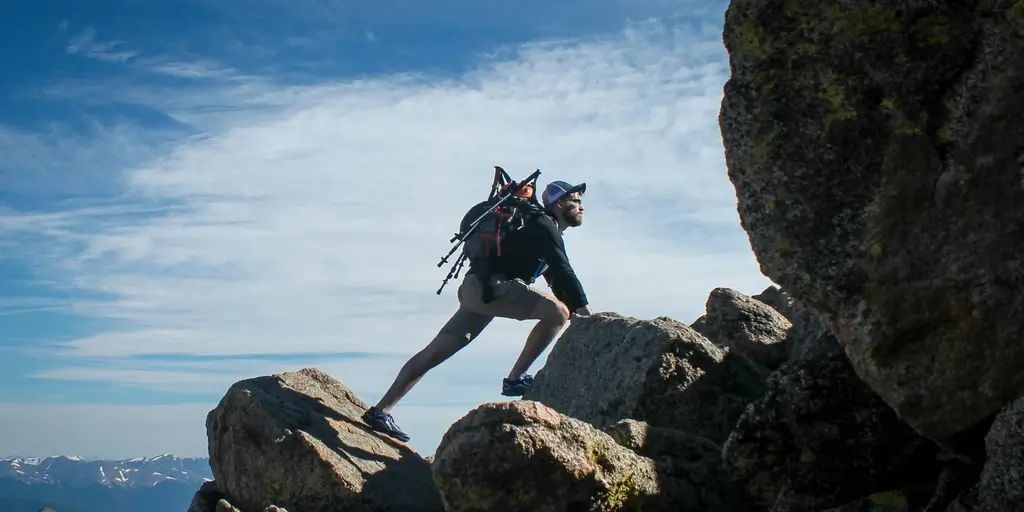
Embrace the Challenge of Elevation
When you decide to take your hike to new heights, you’re not just pushing your physical limits, but also inviting yourself to experience nature in its most breathtaking form. Higher altitudes offer a stunning array of panoramic views and an unrivaled sense of accomplishment. Start by researching trails that not only test your endurance but promise rewarding vistas. Elevation gains can vary, so choose according to your fitness level and prepare for an adventure that both challenges and inspires.
Preparation is Key
Before embarking on a high-altitude hike, it’s crucial to prepare adequately. Research the trail and understand the demands it will place on your body. Invest in quality hiking gear, such as lightweight, moisture-wicking clothing and sturdy boots that offer excellent support and traction. Don’t forget a map, compass, or GPS device. These trails often have less signage and can be more challenging to navigate.
- Hydration: The higher you go, the more your body needs to stay hydrated. Always carry enough water, and consider a portable filter if you need to replenish from streams.
- Nutrition: Your body will burn more calories at higher elevations. Pack nutrient-dense snacks to maintain your energy levels.
Understand and Combat Altitude Sickness
One of the challenges of higher elevation hikes is the risk of altitude sickness. Symptoms can include headaches, nausea, and dizziness. Acclimatization is vital. Spend a day or two at a middle elevation before tackling high-altitude trails. Remember, if symptoms worsen, the best medicine is to descend to a lower altitude immediately.
Aim for Incremental Progress
It’s important to gradually build up to more challenging hikes. Start with smaller elevation gains and work your way up. This approach will not only prevent injury but also psychologically prepare you for the increased demands of higher altitudes. Incorporating hill training in your regular workouts can significantly aid in this preparation. Focus on strength and endurance, especially in your legs and core.
Respect the Mountain
Mountain environments are breathtaking but can be unpredictable. Always check the weather forecast before starting your hike and prepare for sudden changes. It’s also beneficial to understand the local wildlife and practice Leave No Trace principles to minimize your impact on the environment. Respect for the trail, the mountain, and fellow hikers ensures a safe and enjoyable experience for everyone.
Capture and Share Your Experience
Finally, don’t forget to record your journey. Whether through photography, journaling, or blogging, capturing your experiences allows you to share the beauty and challenge of high-altitude hiking with others. It can inspire allies who might not have considered hiking before to embark on their own adventure.
High-altitude hiking offers a journey like no other, merging physical endurance with nature’s splendor. So, lace up your boots, pack your backpack, and take your hike to new heights. The mountains are calling—how will you answer?










Discussion about this post