


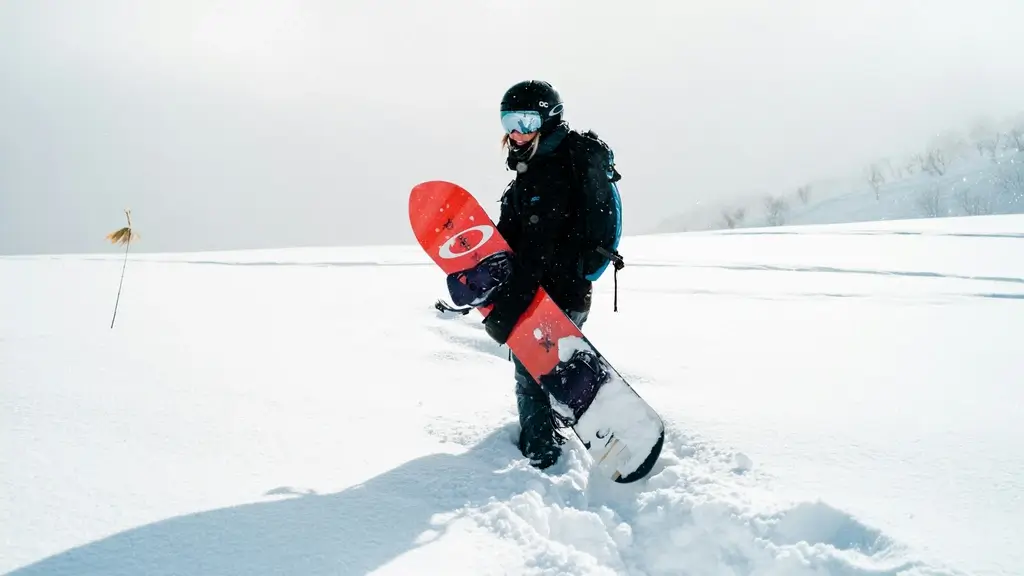
As you pack your bags for that much-awaited snow trip, it might be tempting to focus only on the warm layers and cozy gear. However, one crucial item that should top your list is sun protection. Yes, even in the glittering expanse of white snow, the risk of sun damage is significant. Here, we uncover why sun protection is essential all year round, especially during snowy escapades, and how you can keep your skin safe.
The UV Factor in Winter
While the sun might feel less intense during winter, the ultraviolet (UV) rays are still very much present. These rays can cause damage to your skin any time of year. Moreover, the snow acts as a mirror, reflecting up to 80% of UV rays. This means that even if the temperature is low, your skin is relentlessly exposed to harsh sunlight from above and below.
Risks of Sun Damage
It’s a common misconception that sun damage only occurs during summer. Exposure to UV rays in winter can lead to skin issues such as premature aging, sunburn, and in severe cases, skin cancer. Because UV levels are amplified by reflection from the snow, sun exposure during a snow trip can be just as intense as a day at the beach.
Picking the Right Sunscreen
When selecting sunscreen for your snow adventures, consider a water-resistant, broad-spectrum product to protect against both UVA and UVB rays. It should have a minimum SPF of 30. Reapplication is key, so make sure to reapply every two hours, or more often if you sweat or wipe your face.
Additional Protection Measures
Besides sunscreen, there are several other measures you can take to enhance your skin protection during a snow trip:
- Wear Protective Clothing: Opt for clothes that cover as much skin as possible. Look for garments with ultraviolet protection factor (UPF) ratings to add an extra layer of safety.
- Use Lip Balm with SPF: Your lips are vulnerable to sun damage. Choose a nourishing lip balm with SPF to keep them hydrated and protected.
- Don’t Forget Eye Protection: Sunglasses or goggles with UVA/UVB protection are essential to protect your eyes and the surrounding skin. They also help prevent snow blindness.
Moisturize Well
Cold weather can leave your skin dry and more susceptible to damage. Consistent moisturizing retains moisture and reinforces your skin’s natural barrier. Opt for products that are intensely hydrating, preferably those with ceramides or hyaluronic acid.
Diet and Hydration
What you consume can significantly impact your skin’s health. A diet rich in antioxidants will help your skin repair and renew. Foods high in vitamin E, vitamin C, and omega-3 fatty acids, such as nuts, seeds, and leafy greens, can enhance your skin’s resilience. Plus, staying hydrated by drinking plenty of water is crucial, as the dry winter air can be dehydrating.
Tips for Post-Snow Skincare
After a day spent in snowy terrain, it’s vital to indulge your skin with some recovery care. Cleanse your face thoroughly to remove any remnants of sunscreen or sweat. Follow this with a soothing moisturizer to restore hydration. An overnight face mask or nourishing serum can provide an additional boost to skin recovery.











Discussion about this post