


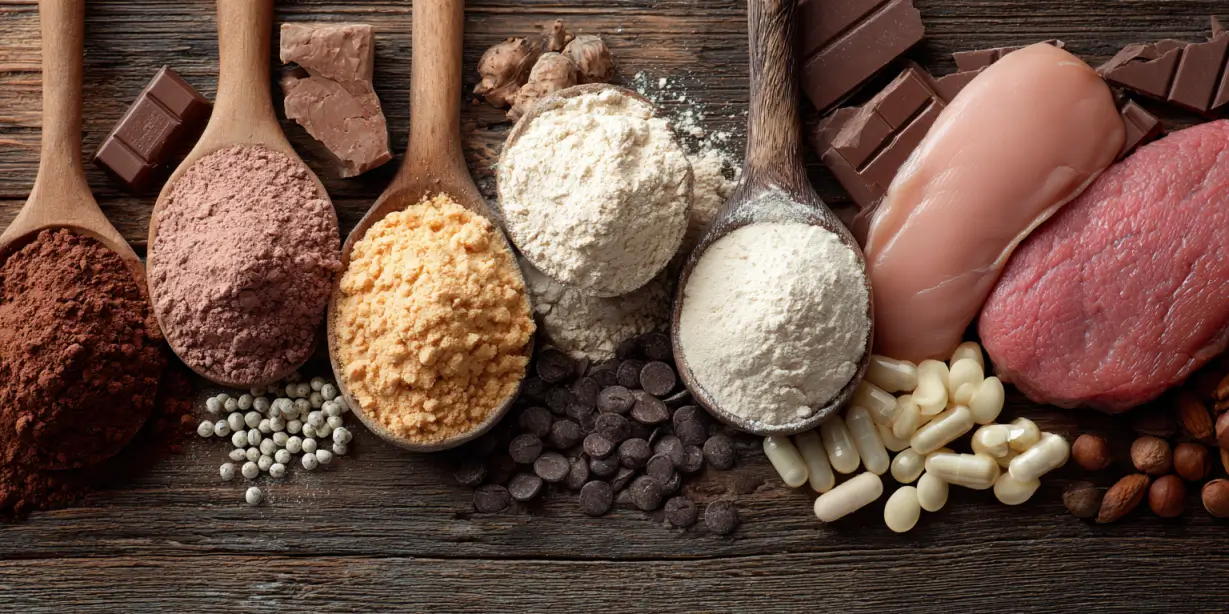
Understanding the truth behind these myths can lead to smarter dietary choices that align with your lifestyle and fitness aspirations. Next time you’re planning your meals or considering a supplement, remember these clarifications and tailor your nutrition to what’s scientifically backed.
Protein Myth #1: More Protein Equals More Muscle
Many fitness enthusiasts believe that consuming more protein will automatically translate to increased muscle mass. In reality, while protein is crucial for muscle growth, simply eating excessive amounts won’t turn you into a bodybuilder overnight. Muscles grow through a combination of adequate protein intake, proper training, and rest. It’s important to calculate your protein needs based on your fitness goals and not fall into the trap of overconsumption.
Protein Myth #2: Plant-Based Proteins Are Incomplete
This myth suggests that plant-based proteins lack all the essential amino acids needed for a healthy diet. However, a well-planned plant-based diet can provide all essential amino acids. Foods like quinoa, buckwheat, and soy are complete proteins. Additionally, eating a variety of plant foods throughout the day will ensure you get the necessary amino acids. So, plant-based eaters can achieve their protein requirements without any deficiency worries.
Protein Myth #3: Protein Supplements Are Necessary
There is a widespread belief that protein supplements are a must to achieve fitness goals, especially for athletes and bodybuilders. However, most individuals can meet their protein needs through whole foods like chicken, fish, beans, and dairy. Supplements can be convenient, but they are not a necessity. It’s essential to assess whether your diet provides you enough protein naturally before turning to supplements.
Protein Myth #4: Higher Protein Intake Harms Your Kidneys
Concerns about high protein intake harming kidney health are prevalent, but studies show this is largely a myth for healthy individuals. While those with preexisting kidney conditions may need to watch their protein intake, people with healthy kidneys can digest higher protein amounts without risk. It’s also crucial to balance protein intake with adequate hydration to aid kidney function.
Protein Myth #5: Protein Is Only for Muscle Building
Protein is often associated only with muscle building, but it has a far broader role in the body. Proteins are essential for cell repair, immune function, and hormone production. They also play a role in maintaining healthy skin and hair. Therefore, adequate protein intake benefits your body beyond just muscle growth.
Protein Myth #6: You Need to Eat Protein Immediately After Workouts
The belief that you must consume protein immediately after a workout for it to be effective is often overemphasized. While having protein post-workout can be beneficial for muscle recovery, the so-called “anabolic window” isn’t as narrow as once thought. Ensuring you consume protein-rich meals throughout the day is what truly matters for muscle repair and growth.








Discussion about this post