


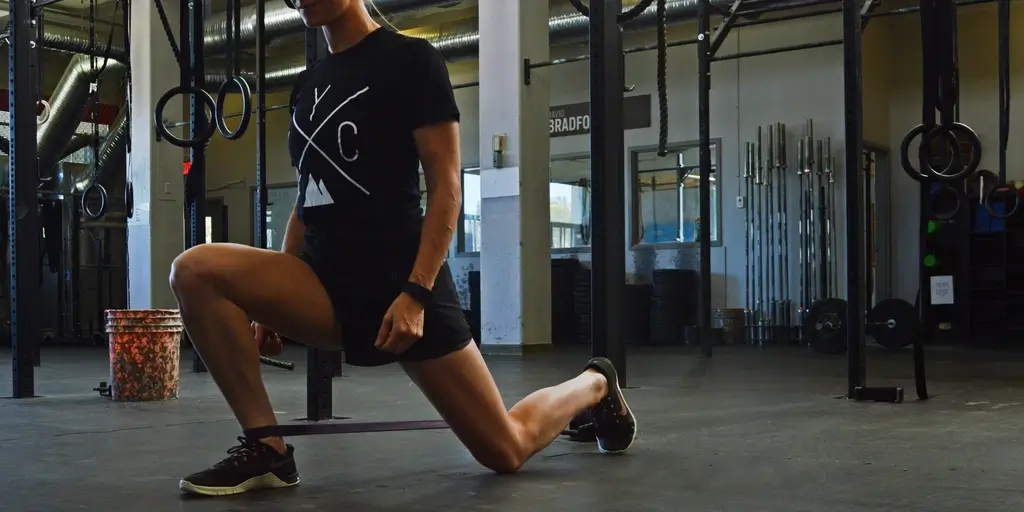
Knee mobility is crucial not only for athletes and fitness enthusiasts but also for anyone who values maintaining an active lifestyle. The knees play a vital role in everyday activities, such as walking, bending, and lifting. Ensuring that these joints are mobile and healthy can greatly improve your overall quality of life, preventing pain and decreasing the risk of injury.
Understanding Knee Anatomy
The knee is a complex joint made up of bones, cartilage, ligaments, tendons, and muscles. The primary bones involved are the femur (thigh bone), tibia (shin bone), and patella (kneecap). Between these bones, cartilage such as the meniscus and articular cartilage provide cushioning and enable smooth movement. Various ligaments, including the ACL (anterior cruciate ligament), PCL (posterior cruciate ligament), MCL (medial collateral ligament), and LCL (lateral collateral ligament), help to stabilize the knee. Tendons like the quadriceps and patellar tendons connect muscles to bones, allowing for movement.
Causes of Reduced Knee Mobility
Several factors can contribute to reduced knee mobility. These include age-related changes, injuries, and even lifestyle choices. Common conditions like osteoarthritis, where the cartilage in the knee wears down, can lead to stiffness and pain. Injuries such as ligament tears or meniscus damage often require time and rehabilitation to restore mobility. Additionally, sedentary lifestyles contribute to weakened muscles and reduced joint movement.
Exercises to Improve Knee Mobility
Maintaining and improving knee mobility involves incorporating specific exercises into your routine. Here are some exercises to consider:
- Quadriceps Stretch: Stand with your feet hip-width apart and pull your right foot toward your buttocks with your right hand. Hold for 15-30 seconds and switch legs.
- Hamstring Stretch: Sit on the ground with one leg extended and the other bent. Reach toward the toes of your extended leg. Hold for 15-30 seconds and switch legs.
- Heel Slides: Lie on your back and slowly slide one heel towards your buttocks, bending the knee. Return to the start position and switch legs. Repeat 10-15 times per leg.
- Knee Extensions: Sit in a chair with your feet flat on the floor. Straighten one leg out in front, hold for a few seconds, then slowly lower. Repeat 10-15 times per leg.
- Calf Raises: Stand near a wall for support. Lift your heels off the ground and hold for a moment before lowering. Repeat 15-20 times.
Incorporating Mobility into Daily Life
Improving knee mobility doesn’t end with exercise routines. It’s essential to integrate mobility into everyday activities. Consider walking or cycling as alternatives to driving, using stairs instead of elevators, and dedicating time to stretch after long periods of sitting. Small changes like these promote continuous knee health.
Nutrition and Recovery for Knee Joint Health
Nutrition plays a supportive role in maintaining healthy knees. A balanced diet rich in omega-3 fatty acids, vitamins, and minerals helps reduce inflammation and promote joint health. Incorporate foods like salmon, nuts, seeds, and leafy greens into your diet. Additionally, staying hydrated is crucial as water aids in joint lubrication.
Proper recovery is another significant aspect of knee health. Ensuring adequate rest, regular stretching, and using techniques like ice therapy can help manage post-exercise swelling and pain, promoting faster recovery.
When to Seek Professional Help
If you experience persistent knee pain or a significant decrease in mobility, it’s important to consult with a healthcare professional. Conditions like tears or fractures require prompt medical attention to prevent further damage. Physical therapists can develop personalized rehabilitation plans that focus on regaining movement and strength.
Preventive measures, such as wearing proper footwear and using knee pads during high-impact activities, can also minimize the risk of injury.
Enhancing knee mobility is a multifaceted approach that includes exercises, daily habits, nutrition, and professional guidance. By taking a proactive role in your knee health, you can maintain mobility, reduce pain, and enjoy an active lifestyle well into the future.









Discussion about this post