



Pumping Up Motivation
Music is a universal language that has the power to invoke emotions and boost motivation. When athletes or fitness enthusiasts plug into their favorite tunes, they often feel an immediate surge of energy. This can be attributed to the rhythm and beats of the music, which resonate with the body’s natural tempos, making individuals feel more engaged and ready to tackle their workout. Upbeat music, especially, can enhance motivation by providing a lively tempo that keeps the energy levels up.
Enhancing Performance Through Rhythm
The rhythm of music is crucial as it helps in synchronizing movement and effort. People often find that they can maintain a steady pace or even push themselves harder when they are moving in time with the music’s beat. For activities like running, cycling, or rowing, music with a consistent beat can act as an auditory cue, helping athletes maintain form and rhythm, potentially optimizing their performance. Studies suggest that listening to music can increase endurance during exercise by around 15%.
Pain and Fatigue Management
Another significant benefit of listening to music during training is its ability to mask pain and fatigue. During intense workouts, athletes might experience discomfort or muscle soreness. Music can serve as a distraction, helping the mind focus away from the physical strain. The right playlist can uplift spirits and provide the encouragement needed to push through barriers, overcoming distances or weights previously deemed insurmountable.
Creating a Positive Environment
Besides physiological benefits, music alters the psychological landscape of a workout session. A well-curated playlist can foster a positive environment, making workouts feel less like a chore and more like a rewarding experience. This psychological shift is essential for maintaining a positive attitude towards fitness, leading to more consistent training sessions and long-term commitment to a healthy lifestyle.
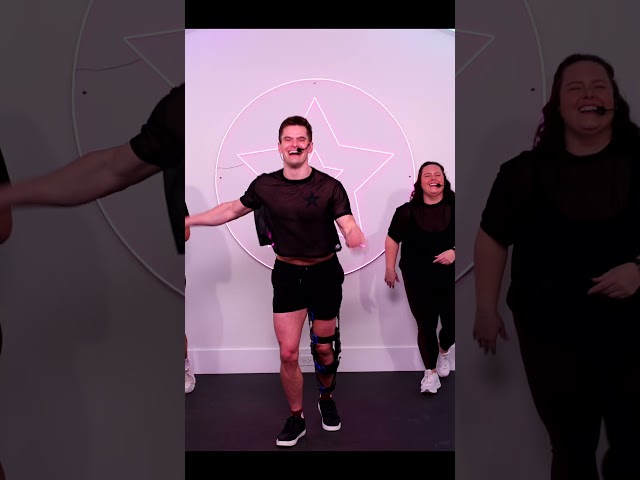
In group fitness classes, music plays a pivotal role in creating a shared, high-energy environment, encouraging participants to engage more actively with the session.
Customizing the Experience
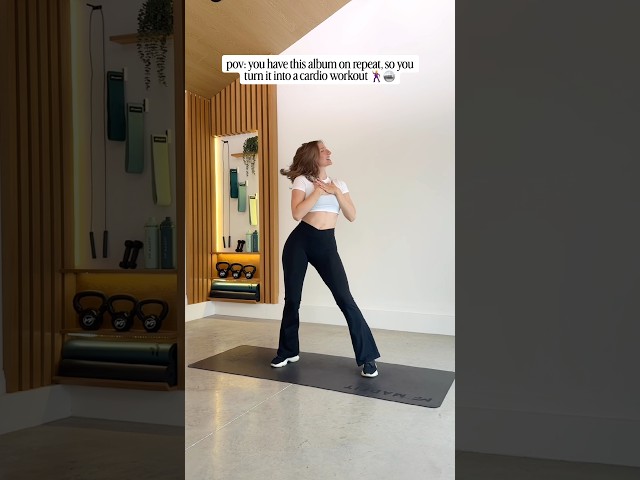
Music allows for workout customization to suit individual preferences and training styles. Whether it’s the powerful beats of rock and hip-hop for a high-energy session, the calming rhythms of classical music for yoga, or the steady cycle of EDM for sustained cardio routines, the choice of music can personalize and improve the quality of training sessions. This personalization ensures that workouts are not only effective but also enjoyable, boosting adherence and making it easier for individuals to meet their fitness goals.
Impact on Heart Rate and Mood
Listening to music has been shown to influence physiological responses such as heart rate and mood. Fast-paced music can increase heart rate, helping in the build-up phase of a workout, whereas slower music can help in cooling down and recovery. The type of music and its intensity can directly influence how a workout feels, by either revving up energy or calming the mind. Lowering stress levels through music can result in better workout performance by simplifying the psychological effort required for physical activities.
While individual preferences significantly determine the impact of music on workout quality, its universal benefits cannot be denied. Music is not just background noise during exercise; it dictates the pace, influences psychological and physical facets of training, and helps carve out a more engaging fitness routine. Whether it’s optimizing performance, masking fatigue, or creating a motivating atmosphere, music indeed plays an instrumental role in enhancing the quality of training.








Discussion about this post