


The Benefits of a Post-Lunch Walk
We’ve all experienced that post-lunch slump where our bodies suddenly feel a lot heavier and staying awake becomes an uphill battle. Instead of reaching for a cup of coffee, consider going for a walk after lunch. This simple activity can provide numerous benefits for both your mental and physical health.
Improved Digestion: A short stroll after eating can aid digestion by stimulating your stomach and intestines. Walking helps move food smoothly through your digestive tract and may alleviate issues such as bloating or heartburn.
Enhanced Cognitive Function: Surprisingly, a walk can refresh your mind, improve your focus, and boost creativity. Just 15-20 minutes can clear your mental fog, helping you tackle the rest of your day with improved clarity.
Lower Blood Sugar Levels: Walking can help moderate blood sugar levels post-meal. This is particularly beneficial for those managing diabetes or insulin sensitivity. Studies suggest even brief periods of walking are more effective at reducing blood sugar spikes than longer sessions done at other times.
Fitting a Walk into Your Busy Schedule
Incorporating a walk into your lunch break doesn’t have to be a time-consuming chore. Here are a few strategies to make it easier:
- Pencil it in: Treat your walk as a non-negotiable meeting in your calendar. This will prevent other commitments from encroaching on your health and productivity time.
- Buddy up: Encourage a colleague or a friend to join you. This not only makes the activity more enjoyable but can help strengthen your relationship through shared activity.
- Combine with errands: Have things to pick up or errands to run? Consider walking to your destination. Not only will you get your steps in, but you’ll also accomplish other tasks.
Tips for an Effective Post-Lunch Walk
To maximize the benefits of your walk, keep these tips in mind:
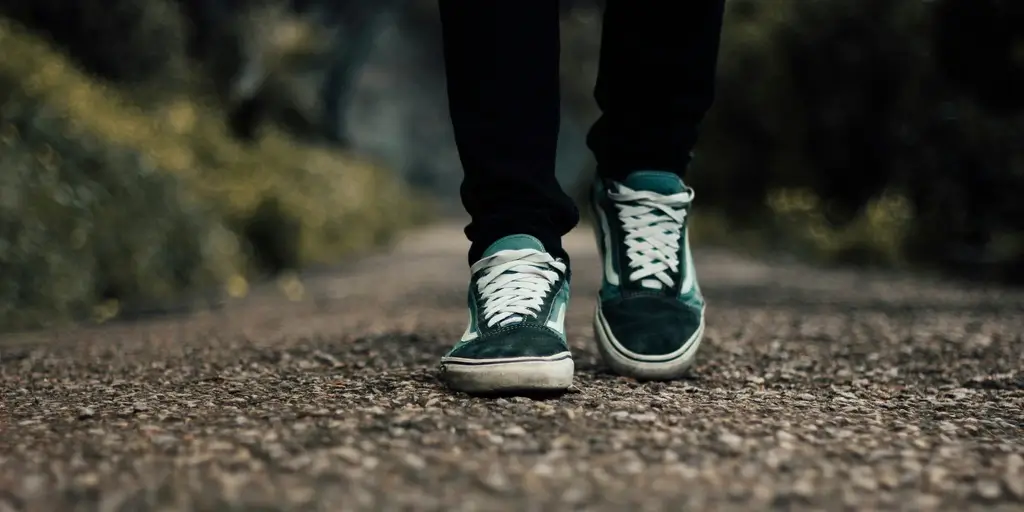
- Choose Comfortable Footwear: Ensure you have comfortable shoes suitable for a brisk walk, especially if you’ll be traversing varied or uneven environments.
- Track Your Steps: Using a smartwatch or a phone app to count your steps can be motivating and help you set personal goals. Aim for at least a 15-20 minute walk, which is roughly 2,000-3,000 steps.
- Mind the Pace: Maintain a pace where you can still hold a conversation, but your heart rate is elevated. This ensures you’re getting light aerobic exercise without overexerting yourself.
- Enjoy the Scenery: Try to choose a route that offers some pleasant scenery or fresh air. Parks, riversides, or quiet streets can make the experience more enjoyable and less like a chore.
Making it a Habit
Building a daily walking routine doesn’t happen overnight. Consistency is key. If you miss a day, don’t be too hard on yourself. Instead, focus on getting back on track. Within a few weeks, you’ll find it becomes second nature and something your body and mind look forward to.
Also, consider the seasonal variations in your routine. In winter, layer your clothing to stay warm and safe on icy paths. During hotter months, carry a water bottle to stay hydrated and consider shades or a cap for sun protection.
The Bottom Line
Going for a walk after lunch is a simple lifestyle choice with substantial rewards. It’s not just about the calories burnt; it’s about the holistic benefits — from aiding digestion to improving cognitive function. So the next time you feel like sinking into your chair post-lunch, lace up your shoes and give your body and mind the gift of a brisk walk. Your future self will thank you.






Discussion about this post