


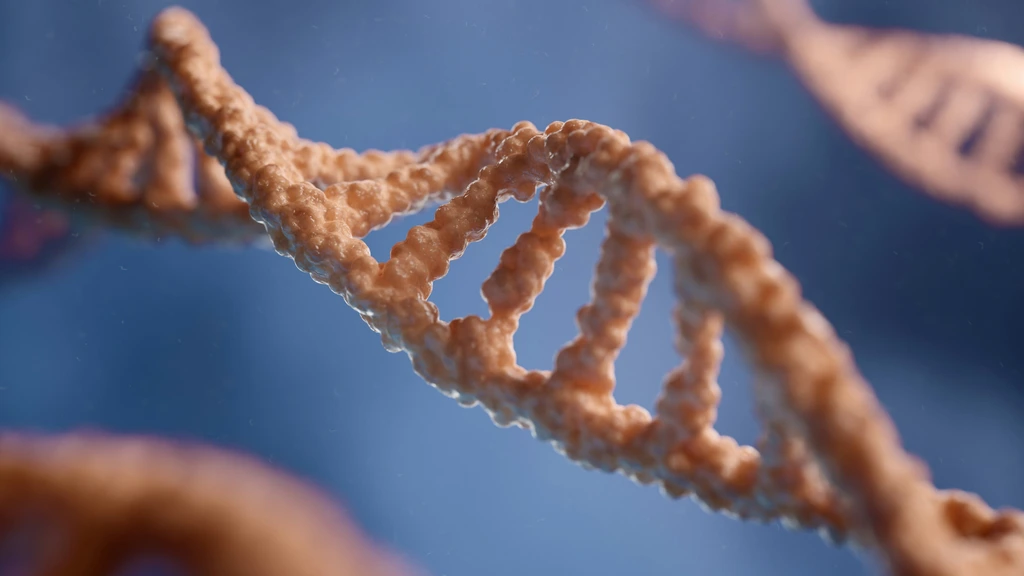
Unpacking the Influence of Genetics
Genetics play an undeniable role in shaping our physical capabilities and limitations. From **fast-twitch** muscle fibers that affect speed and power to **slow-twitch** fibers that influence endurance, our genetic makeup can set the stage for how well we perform in various athletic arenas. Some individuals may have a natural predisposition for certain sports due to their genetic blueprint, which includes bone structure, muscle mass, and cardiovascular capabilities.
Yet, while genetics might provide the blueprint, they don’t always determine the building’s final outcome. It’s crucial to recognize the extent of their influence without letting them become a crutch for what we can’t achieve.
The Power of Training
If genetics lay the foundation, training is undoubtedly the architectural design and labor that bring the structure to life. The human body is remarkably adaptable. Through rigorous and consistent training, individuals can reach and even push beyond their perceived genetic ceilings.
*Strength training, endurance workouts, flexibility exercises, and skill-refining drills* all contribute to significant improvements in performance, irrespective of genetic predisposition. Training has the power to enhance areas where genetics can seem restrictive, offering a pathway to peak performance that genetics alone cannot guarantee.
When Genetics and Training Intersect
It’s a misconception to view genetics and training as mutually exclusive. Rather, they should be understood as interdependent factors that when aligned, lead to optimal performance. For example, an athlete with a natural predisposition for muscular strength due to genetics might still require intensive training to hone their skills and ensure peak performance in competitions.
- **Personalized training plans** tailored to genetic strengths and weaknesses often result in the best outcomes.
- **Nutritional strategies** are also crucial in maximizing both genetic potential and the results of training.
Excuses vs. Empowerment
It’s easy to lean on genetics as a convenient excuse for falling short of fitness goals or athletic success. “I’m just not built for this,” or “My genetics don’t support it,” are common refrains. However, adopting this mindset often neglects the transformative power of training.
Instead of excuses, consider focusing on empowerment. What aspects of training can be controlled more tightly or adjusted more creatively to compensate for genetic limitations? Emphasizing a growth mindset, where challenges are seen as opportunities for development, can shift the conversation from limitations to possibilities. Remember, most elite athletes, while often genetically gifted, testify to the astonishing influence of dedicated training and discipline in their success.
Pushing Beyond Limits
The debate of genetics versus training often boils down to a simple truth: both play vital roles in athletic development, but neither should be an excuse for settling short of one’s true potential. Recognizing the influence of each allows individuals to mold their training programs to maximize results actively.
Athletes of all levels can benefit from identifying their genetic advantages while attacking their perceived genetic shortcomings with tailored training regimens. By doing so, one doesn’t just accept their genetic predispositions, but *proactively works to redefine them.*










Discussion about this post