


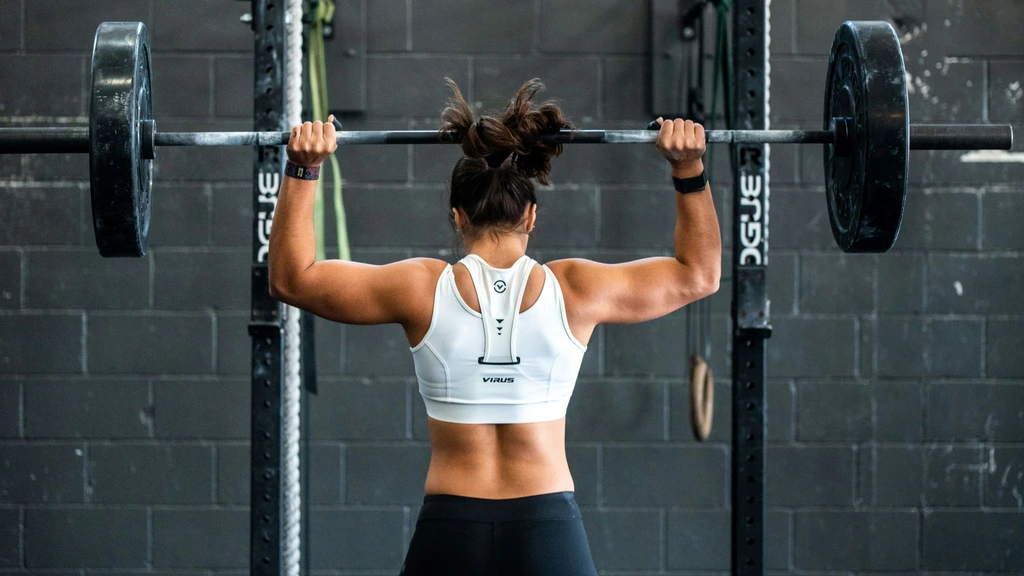
When it comes to sculpting impressive shoulders, a common debate arises: should you focus on the barbell press or the dumbbell press? Both exercises are giants in the world of shoulder development, but they each bring unique benefits to the table. Let’s dive into the pros and cons of each to help you decide which exercise is better suited for your shoulder-building ambitions.
Barbell Press: The Classic Heavyweight
Starting with the barbell press, this exercise is a staple for those looking to lift heavy and build mass. As an overhead compound movement, the barbell press targets the anterior deltoids while also engaging the triceps and upper chest. Here are some advantages:
- More Weight: Barbell presses generally allow you to lift more weight compared to dumbbells. This is key for progressive overload, a crucial factor in building muscle mass.
- Stability and Balance: The barbell provides greater stability, which can be beneficial for beginners or those looking to focus on increasing strength.
- Unified Movement: With a fixed bar, both shoulders exert force simultaneously, which can prevent imbalances between the two sides.
However, barbell presses are not without their downsides:
- Limited Range of Motion: The bar can limit the range of motion, preventing you from fully engaging the delts as you would with free weights.
- Less Stabilization: While it offers stability, it requires less engagement of the smaller stabilizing muscles around the shoulder joint.
- Risk of Shoulder Pain: The fixed position of the bar can sometimes increase the risk of shoulder impingement or injury if proper form is not maintained.
Dumbbell Press: The Versatile Contender
Dumbbell presses offer a range of benefits, particularly when it comes to versatility and promoting muscular balance. Here’s why they might be the right choice for some athletes:
- Greater Range of Motion: Dumbbells allow for a more extensive range of motion, enabling deeper stretching at the bottom and more effective contraction at the top of the movement.
- Stability and Core Engagement: The need to stabilize each dumbbell independently engages more muscle fibers, including the core.
- Identifying and Correcting Imbalances: Dumbbells ensure each arm works equally, helping to identify and correct strength imbalances between your left and right sides.
Despite these benefits, the dumbbell press has its drawbacks:
- Limited Load: You typically can’t lift as heavy with dumbbells as you can with barbells, which might slow progress if mass-building is your primary goal.
- Setup and Form: Proper setup is crucial. It requires more coordination to lift the dumbbells into position safely, especially as you advance to heavier weights.
- Fatigue and Safety: Fatigue can set in faster, and without a spotter, it may be more challenging to push near failure safely.
Which One Should You Choose?
The decision between barbell and dumbbell presses largely comes down to individual goals and preferences. If your primary focus is to build sheer strength and mass, the barbell press might be your go-to exercise. On the other hand, if you are targeting overall shoulder development with more emphasis on form, range, and correcting imbalances, the dumbbell press could serve you better.
Ultimately, integrating both exercises into your routine might offer the most benefits. Starting a shoulder session with a heavy barbell press can set a solid foundation, followed by lighter dumbbell presses to maximize muscle activation and growth. This approach can lead to a well-rounded shoulder routine that promotes both size and symmetry.
Whichever you choose, ensure that your form is correct to reduce the risk of injury and maximize the effectiveness of the exercise. Remember that dietary support, consistent training, and ample recovery are all integral to achieving that impressive delt mass.








Discussion about this post