


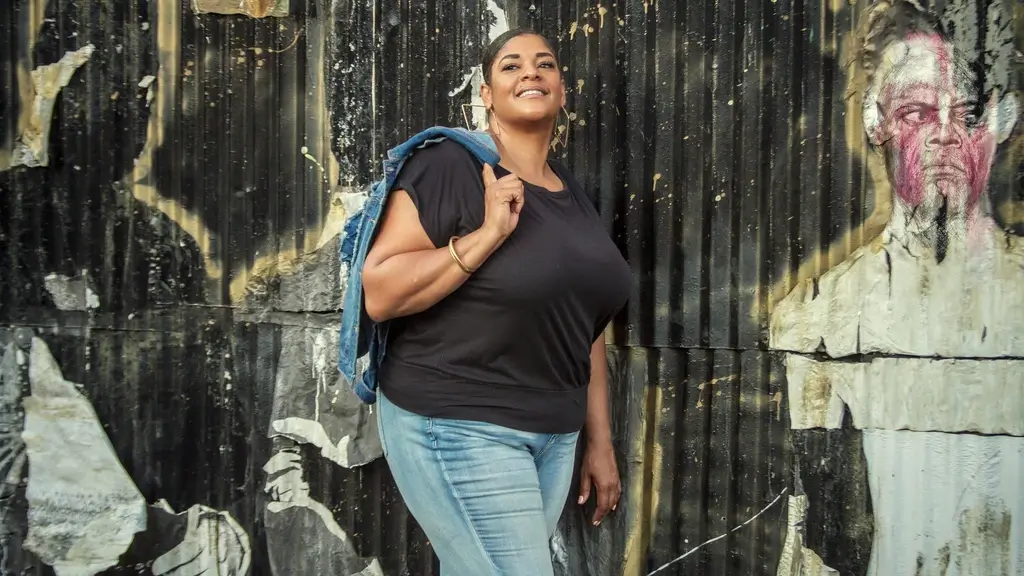
The body positivity movement has become a significant cultural phenomenon over the past decade. Its primary aim is to challenge societal norms and beauty standards by promoting acceptance and appreciation of all body types. By emphasizing self-love and inclusion, it encourages people to feel confident and comfortable in their skin, regardless of their shape, size, or color.
The Positive Impact
This movement has undeniably made strides in reducing stigma and prejudice. It has empowered individuals who felt marginalized due to their body size, allowing them to celebrate themselves rather than succumb to negative societal expectations. The proliferation of diverse body types in media and fashion campaigns is one tangible outcome of this shift. Many who were once excluded from mainstream narratives can now see themselves represented, boosting their self-esteem and mental health. Furthermore, it facilitates an environment that encourages discussions about beauty standards, sparking important conversations around diversity and inclusion.
Potential Downsides: Neglecting Health Concerns
Despite these positive aspects, some critics argue that the body positivity movement may inadvertently dismiss legitimate health concerns. Emphasizing self-acceptance without considering the health implications of being significantly overweight or underweight could be problematic. It is crucial to separate the concept of being comfortable with one’s body from potential health risks associated with specific weight ranges. Critics caution that while loving one’s body is essential, it should not come at the expense of ignoring medical advice or neglecting physical well-being.
Commercialization and Surface-Level Acceptance
Another downside to consider is the commercialization of body positivity. As with many social movements, there’s a risk of companies exploiting the concept to sell products, leading to a superficial embodiment of the movement’s ideals. Businesses might focus on catchy slogans and inclusive advertising while failing to implement substantive changes within their organizations or industries. This can lead to a dilution of the movement’s founding principles, prioritizing profit over genuine inclusivity and acceptance.
The Risk of Perpetuating a Single Narrative
The body positivity movement, while inclusive in theory, sometimes perpetuates a particular narrative that may not resonate with everyone. Those who do not fit into the “accepted” forms of body positivity—such as people experiencing severe physical or mental health issues impacting their self-image—might feel isolated or underrepresented. It’s important for the movement to continue evolving to include voices from all spectrums of the community, ensuring that everyone feels seen and heard, regardless of their unique circumstances.
Navigating Personal Journeys
For individuals, navigating the body positivity movement requires a balance between self-acceptance and health consciousness. Personal growth involves understanding one’s body and its needs while striving for a lifestyle that supports both mental and physical well-being. It’s about adopting a mindset that encourages self-care rather than self-neglect, focusing on health rather than solely appearance.
A Call for Inclusive Dialogue
To address these downsides, fostering an inclusive and open dialogue about body positivity is vital. There needs to be a concerted effort to educate people about the movement’s goals while simultaneously acknowledging potential shortcomings. Engaging healthcare professionals, educators, and media can provide a more nuanced understanding and support systems for individuals on their path to self-acceptance. By initiating conversations around the balance between body positivity and health, we can work towards a society that embraces diversity without compromising health and well-being.
Although the body positivity movement has empowered many, it is crucial to examine its limitations thoughtfully. By fostering an ongoing dialogue and embracing inclusivity, we ensure that the movement remains a force for positive change that benefits everyone, regardless of their body type or health status.










Discussion about this post